Cocamidopropyl Betaine: Is It Safe? Allergy and Shampoo
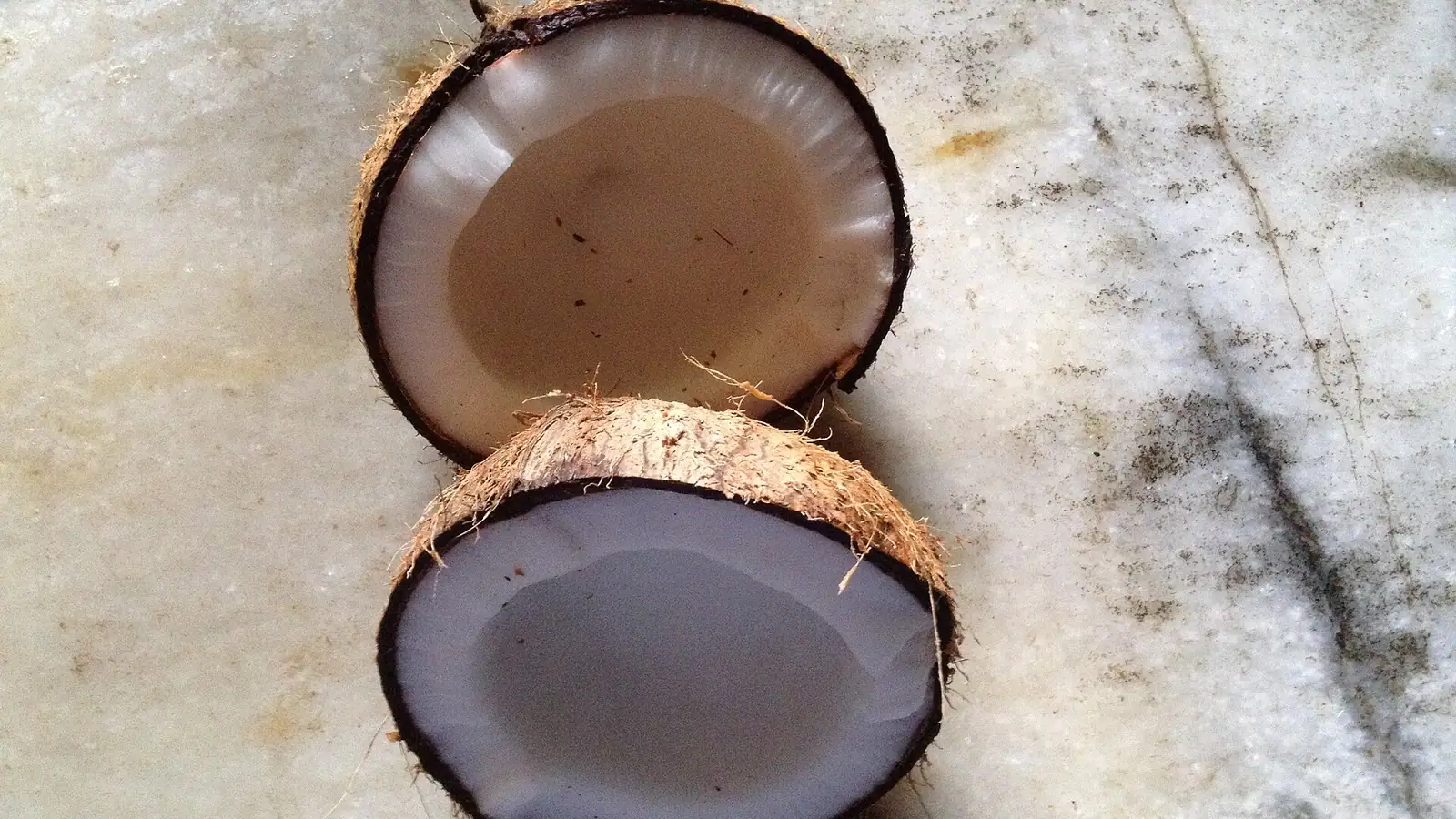

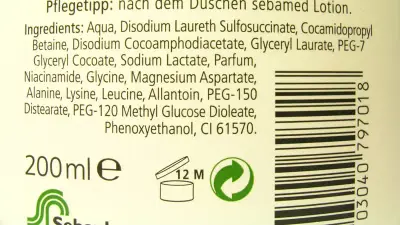
What is cocamidopropyl betaine? Cocamidopropyl betaine (CAPB) is a foaming cleanser made by reacting coconut oil fatty acids with other chemicals. It’s in many shampoos, body washes, facial cleansers, liquid soaps and even toothpastes because it causes only relatively mild skin irritation (Dermatitis). That gentleness is why it’s so common, but it’s also a known contact allergen.
It was named Allergen of the Year in 2004 by the American Contact Dermatitis Society, after rates of sensitization kept rising (Dermatitis).
Coco betaine
Cocamidopropyl betaine also appears as cocoamidopropyl betaine or the abbreviation CAPB. Coco betaine (coco-betaine) is often confused with it, but it’s a different, related surfactant without the amidopropyl link. The Cosmetic Ingredient Review panel assesses betaines without that link separately, as alkyl betaines, and found them safe when formulated to be nonirritating (International Journal of Toxicology 2018). The impurities blamed for CAPB allergy, amidoamine and DMAPA, come from the amidopropyl step, so they aren’t expected in coco betaine. Related ingredients with “amidopropyl” in the name, such as lauramidopropyl betaine, share the same chemistry and the same impurities (International Journal of Toxicology), so people allergic to CAPB may need to avoid them too.
Despite “coco” in the name, CAPB is a synthetic surfactant rather than a coconut extract. For coconut as a food allergen, see our guide on whether coconut is a tree nut.
Is cocamidopropyl betaine safe?
For most people, yes. The Cosmetic Ingredient Review panel found no significant toxicity and concluded that CAPB and related amidopropyl betaines are safe “when formulated to be nonsensitizing” (International Journal of Toxicology). That condition is the key: the problem isn’t CAPB itself so much as two impurities left over from manufacturing, amidoamine and DMAPA (dimethylaminopropylamine).
The evidence for this is direct. In a study of 10 people with a positive CAPB patch test, 7 developed a rash when they used CAPB shampoo, soap or body wash, 6 of 9 reacted to amidoamine, and none reacted to CAPB that had been purified of amidoamine (Contact Dermatitis 1997). Another study found that thoroughly purified CAPB no longer caused sensitization (Contact Dermatitis 2003). The catch for shoppers is that labels don’t say how pure the CAPB is.
Cocamidopropyl betaine allergy
Estimates put sensitization at 3.0% to 7.2% of patients patch tested (Dermatitis), but those numbers may overstate it: in a German network of 83,864 patients, 2.16% tested positive and the reactions reproduced poorly on retesting (Contact Dermatitis). The head and neck was the most frequent site of CAPB dermatitis in North American data (Dermatitis 2004), and people with reactions to hair care products more often had dermatitis on the face and scalp (Dermatitis 2022).
It’s an itchy, red, sometimes scaly rash that appears a day or two after contact. Eczema raises the risk: in a study of 1,674 patch-tested patients, people with atopic dermatitis were more likely to be allergic to CAPB, and the authors advised them to avoid CAPB skin care products (JAAD). A dermatologist confirms the allergy with patch testing, ideally including amidoamine and DMAPA as well as CAPB. Eyelid rashes have several possible causes; see our eyelid dermatitis guide.
Cocamidopropyl betaine in shampoo
Shampoo is the main source. Among allergic reactions linked to hair care products in North American data on 38,775 patients, CAPB accounted for 5.9%, behind only the hair dye chemical PPD and two isothiazolinone preservatives, and shampoos and conditioners were the most frequent culprits (Dermatitis 2022). Our guides to hypoallergenic hair dye and methylisothiazolinone cover the other top allergens.
Shampoo without cocamidopropyl betaine
If you’ve been diagnosed with a CAPB allergy:
- Read every ingredient list for cocamidopropyl betaine, CAPB and any “-amidopropyl” ingredient, including amidopropyl dimethylamines in conditioners.
- Check body wash, facial cleanser, liquid hand soap, bubble bath and toothpaste, not just shampoo.
- Don’t assume “sulfate-free” or “natural” means CAPB-free: CAPB is often the replacement for sulfates.
- Patch test a new product on a small area before using it all over; our patch testing guide shows how.
Our hypoallergenic shampoo and hypoallergenic body wash guides explain how to read these labels, and the sodium lauryl sulfate guide covers the sulfate side of the trade-off.
More in Ingredients & materials
Nickel Allergy: Causes, Sources, Rules and Testing
Nickel allergy: why nickel causes allergic contact dermatitis, where it's found, how US and EU rules differ, and how spot tests and patch tests work.
Fragrance Allergy: What 'Fragrance' and 'Parfum' Can Hide
Fragrance allergy: why one word on a label can stand for dozens of chemicals, which allergens dermatologists test for, and US vs EU label rules.
Methylisothiazolinone (MI): A Preservative Allergy Explained
Methylisothiazolinone (MI) and MCI/MI: where they're used, why allergy to them surged, how the EU restricted them, and how to spot them on labels.
Formaldehyde Allergy and Formaldehyde Releasers on Labels
Formaldehyde allergy: which preservatives release formaldehyde, the label names to look for, where else it turns up, and what US and EU rules say.
Sources & further reading
- International Journal of Toxicology — Burnett and colleagues, 2012: cosmetic Ingredient Review safety assessment of CAPB and related amidopropyl betaines: surfactants whose impurities DMAPA and amidoamine are known sensitizers; safe when formulated to be nonsensitizing. DOI: 10.1177/1091581812447202.
- International Journal of Toxicology — Burnett and colleagues, 2018: cosmetic Ingredient Review safety assessment of 11 alkyl betaines, the group without the amidopropyl link: safe in cosmetics when formulated to be nonirritating. DOI: 10.1177/1091581818773354.
- Dermatitis — Jacob and Amini, 2008: CAPB is an amphoteric detergent used in shampoos, bath gels, cleansers, liquid soaps, toothpaste and makeup removers because it is relatively mild; sensitization estimated at 3.0% to 7.2%; Allergen of the Year 2004; impurities amidoamine and DMAPA thought to drive sensitization. DOI: 10.2310/6620.2008.06043.
- Dermatitis — Fowler and colleagues, 2004: north American Contact Dermatitis Group, 975 patients in 2001: reactions to CAPB, to amidoamine or to both were found; the head and neck was the most frequent site of CAPB dermatitis. DOI: 10.2310/6620.2004.20410.
- Contact Dermatitis — Fowler and colleagues, 1997: 10 people with a positive CAPB patch test: 7 developed dermatitis using CAPB shampoo, soap or body wash; 6 of 9 reacted to the impurity amidoamine; none reacted to CAPB free of amidoamine. DOI: 10.1111/j.1600-0536.1997.tb02464.x.
- Contact Dermatitis — Foti and colleagues, 2003: 10 patients allergic to commercial CAPB all reacted to DMAPA and amidoamine; thoroughly purified CAPB no longer sensitizes. DOI: 10.1034/j.1600-0536.2003.00078.x.
- Contact Dermatitis — Schnuch and colleagues, 2011: german IVDK network, 83,864 patients patch tested with cocamidopropyl betaine: 2.16% positive, but reactions were mostly weak and reproduced poorly, suggesting true allergy is rarer than test results imply. DOI: 10.1111/j.1600-0536.2010.01863.x.
- Journal of the American Academy of Dermatology — Shaughnessy and colleagues, 2014: 1,674 patch-tested patients: atopic dermatitis was associated with allergy to CAPB; the authors advise people with atopic dermatitis to avoid CAPB skin care. DOI: 10.1016/j.jaad.2013.12.009.
- Dermatitis — Warshaw and colleagues, 2022: north American Contact Dermatitis Group, 38,775 patients (2001 to 2016): among allergic reactions linked to hair care products, CAPB made up 5.9%, after p-phenylenediamine, methylisothiazolinone and MCI/MI; shampoos and conditioners were the most frequent source. DOI: 10.1097/DER.0000000000000760.