Eyelid Dermatitis: Allergy Triggers, Causes and Treatment
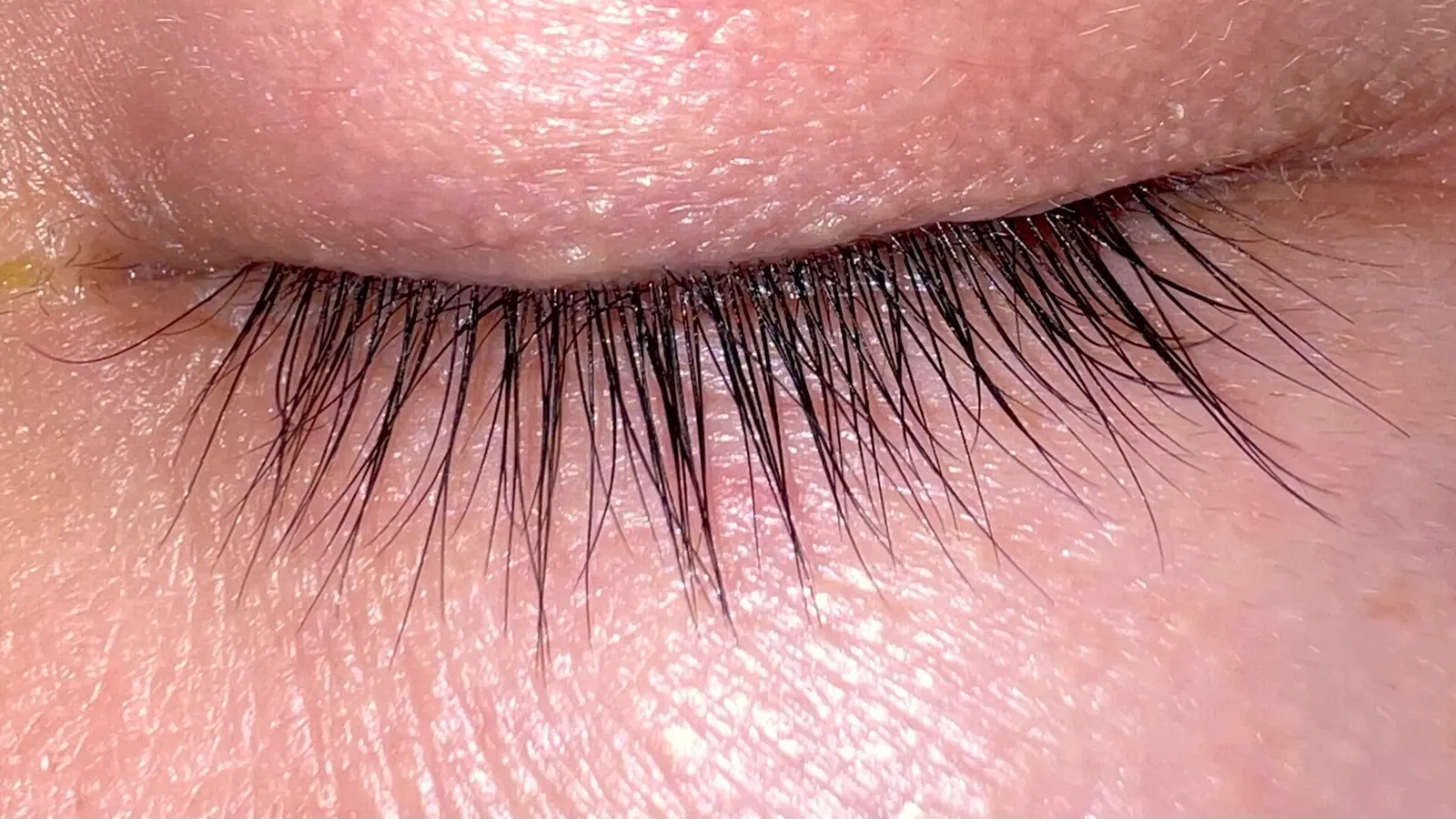

What is eyelid dermatitis? Eyelid dermatitis is a rash on the eyelids that makes the skin red, itchy, dry, flaky or puffy. In most patch-test studies, the most common cause is an allergy to something that touches the eyelids, from makeup and face cream to eye drops or traces of nail polish on your fingers. Eczema, irritation and seborrheic dermatitis explain most other cases. Finding and removing the trigger matters more than any cream.
What causes eyelid dermatitis?
In most large clinic studies, allergy comes first, but not by a wide margin:
- In 105 patients, Amin and Belsito found allergic contact dermatitis in 43.8% and seborrheic dermatitis in 36.2%. When only the eyelids were affected, seborrheic dermatitis led (46.3% vs 35.2%).
- In North American Contact Dermatitis Group data on 50,795 patch-tested patients, Warshaw and colleagues found allergy was the main diagnosis in 43.4% of eyelid-only cases.
- A meta-analysis of 65 studies by Borzova and colleagues put atopic dermatitis (eczema) behind 27.5% of eyelid dermatitis.
The skin around the eyes is thin, which may let allergens in more easily, as Landeck and colleagues point out. Looking at 4,779 patients with dermatitis around the eyes in a German-speaking patch-test network, they described two main groups: younger women reacting to cosmetics and skin care, and older people reacting to topical medications.
Eyelid allergy: the most common triggers
| Trigger | What the studies found |
|---|---|
| Face cream, eye shadow, eye medicines | Most relevant allergen sources (31%) in the Feser cohort |
| Fragrance mix | 19% in the Feser cohort |
| Eye drops | 54.2% of cases in the Chisholm oculoplastics series |
| Nickel and gold | Among the most frequent eyelid allergens in the Warshaw data |
| Preservatives | Methylisothiazolinone ranked high in the Warshaw data |
Feser and colleagues found consumer products such as face cream, eye shadow and eye medicines were the most relevant allergen sources (31%), followed by fragrance mix (19%). In an older group seen by eye surgeons, Chisholm and colleagues traced most cases to eye drops (54.2%), then creams and lotions (24.6%) and cosmetics (13.1%).
Allergens can also reach the eyelids from your hands, hair and tools. Amin and Belsito’s list of common eyelid allergens includes tosylamide formaldehyde resin, used in nail polish, as well as metals and preservatives, and MedlinePlus lists nail polish and hair dyes among the common causes of allergic contact dermatitis. Our guides to hypoallergenic mascara and hypoallergenic nail polish go through those sources. If it’s the eye itself that’s red, itchy and watery rather than the eyelid skin, see allergic conjunctivitis.
Eyelid contact dermatitis vs eyelid eczema
Eyelid contact dermatitis is caused by something touching the skin. It’s either allergic (your immune system reacts to a specific ingredient) or irritant (the product simply damages the skin, like a harsh cleanser or rubbing). Eyelid eczema usually means atopic dermatitis: people with a history of eczema, hay fever or asthma whose eyelids flare as part of that tendency. In adults, MedlinePlus notes, atopic dermatitis may show up only on the eyelids. The two can overlap and look alike, so patch testing is how a doctor checks whether an allergy is involved; MedlinePlus explains that it takes at least 3 office visits.
Eczema around eyes
Eczema around the eyes is often atopic dermatitis, the itchy, long-lasting type of eczema; in adults, the rash may show up only on the eyelids (MedlinePlus). As the causes section above shows, it’s behind about a quarter of eyelid dermatitis. Eczema and allergy can happen together, so a flare that won’t settle is worth a patch test.
Eczema under eye
Eczema under the eye shows up as dry, red or scaly skin on the lower lids, and rubbing makes it worse. Face creams were among the top allergen sources in people with dermatitis around the eyes (Feser and colleagues), so a new face or under-eye cream is the first thing to stop. MedlinePlus advises keeping eczema-prone skin moist with plain creams or ointments, and choosing products without alcohol, scents or dyes (MedlinePlus).
Itchy eyelids
Itchy eyelids have a few common causes, and where the itch sits helps tell them apart:
- Itchy, red, watery eyes with sneezing, worse in pollen season or around pets, point to eye allergy. Our allergic conjunctivitis guide covers it. Rubbing itchy eyes can then irritate the lids too.
- Itchy, dry, scaly lid skin points to eyelid dermatitis, from allergy, eczema or irritation, as described above.
- Sudden swelling of the lids, sometimes with hives elsewhere, is angioedema; see our guide to an allergic reaction on the face.
Eye drops themselves can be the trigger, as the table of common triggers above shows.
Eyelid dermatitis treatment
Treatment starts with removal: stop the products you suspect, including eye drops if a doctor agrees, and keep the eyelids as bare as possible. In the Chisholm series, stopping suspected products plus a short course of an eye-safe steroid led to at least partial improvement in 88% of patients, and those who didn’t improve were sent for patch testing.
Eyelid dermatitis treatment at home
These steps follow MedlinePlus advice for contact dermatitis and eczema, plus the FDA’s eye cosmetic tips:
- Wash with water and a gentle, fragrance-free cleanser, and pat dry. MedlinePlus suggests washing off any traces of the product and avoiding further contact with it.
- Use a plain, scent-free ointment such as petroleum jelly on dry patches. MedlinePlus says moisturizers help the skin repair itself.
- Don’t rub. Rubbing played a part in 30% of patients in the Chisholm series.
- Skip eye makeup until the rash clears, then bring products back one at a time. The FDA advises checking ingredients, never sharing eye cosmetics and stopping any product that causes a reaction.
- Keep anything you use near your eyes clean, like eyelash curlers and brushes, as the FDA advises.
Eyelid dermatitis cream
Doctors may prescribe a mild steroid for a short time or a non-steroid option. In a small crossover study of people with eye allergy and eyelid eczema, Nivenius and colleagues found that tacrolimus 0.1% ointment and a steroid ointment both reduced the eczema over 3 weeks. Because eyelid skin is thin and close to the eye, use steroid creams there only as directed by a doctor.
Eczema eye cream
There’s no special “eczema eye cream” that treats eyelid eczema on its own. What helps most is a bland, fragrance-free ointment or cream such as petroleum jelly to protect the skin (MedlinePlus), plus a prescription cream from a doctor during flares, such as the tacrolimus ointment tested in the study above (Nivenius and colleagues). Be wary of cosmetic eye creams with fragrance, botanical extracts or retinoids while the skin is inflamed, since creams and lotions are among the common triggers listed above.
Dry skin on eyelids
Dry, flaky eyelids without much redness can be irritant dermatitis, which MedlinePlus calls the most common type of contact dermatitis and describes as dry, red, rough skin. Cold, dry winter air makes eczema worse too. Gentle cleansing and a bland, scent-free ointment are the usual first steps. If dryness keeps coming back, or the skin turns red and itchy, think allergy: the eyelids often react to products you use elsewhere, and our guide to contact dermatitis on face covers the wider picture. A dermatologist’s patch test, explained in our patch test skincare guide, can name the trigger. If you wear eye makeup, our guides to hypoallergenic eyeshadow and makeup remover for sensitive eyes cover two products often behind eyelid rashes.
More in Skincare
What Does Hypoallergenic Mean on a Label? The Legal Answer
What does hypoallergenic mean? In the US it has no legal definition for cosmetics, detergents or jewelry. What the FDA says and which signals count.
Fragrance Free vs Unscented: Why the Difference Matters
Fragrance free vs unscented: unscented products can hide masking fragrance, and fragrance-free ones may still contain scented plant oils. Read the label.
Fragrance Free Moisturizer for Sensitive Skin: How to Choose
How to choose a fragrance free moisturizer for sensitive or eczema-prone skin: ointments vs creams, barrier-repair ingredients and common irritants.
Hypoallergenic Makeup for Sensitive Eyes: What to Look For
Hypoallergenic makeup for sensitive eyes: how to choose mascara, liner and shadow when your eyelids itch or water, and the hygiene habits that matter most.
Sources & further reading
- Contact Dermatitis — Amin and Belsito, 2006: of 105 patients with eyelid dermatitis, 43.8% had allergic contact dermatitis and 36.2% seborrheic dermatitis. DOI: 10.1111/j.1600-0536.2006.00927.x.
- Journal of the American Academy of Dermatology — Warshaw and colleagues, 2021: among 50,795 patch-tested patients, allergic contact dermatitis was the main diagnosis in 43.4% of those with eyelid-only dermatitis. DOI: 10.1016/j.jaad.2020.07.020.
- British Journal of Dermatology — Feser and colleagues, 2008: in two German-speaking cohorts with periorbital dermatitis, allergic contact dermatitis was the main cause (44.3% and 31.6%), followed by atopic dermatitis; face cream, eye shadow and eye medicines were the top allergen sources. DOI: 10.1111/j.1365-2133.2008.08790.x.
- Contact Dermatitis — Landeck and colleagues, 2014: of 101,403 patients patch tested in the German-speaking IVDK network over 10 years, 4,779 had periorbital dermatitis; allergic contact dermatitis was a leading cause. DOI: 10.1111/cod.12157.
- Ophthalmic Plastic and Reconstructive Surgery — Chisholm and colleagues, 2017: of 61 patients with allergic eyelid dermatitis, eye drops (54.2%), creams and lotions (24.6%) and cosmetics (13.1%) were the main causes; rubbing played a part in 30%. DOI: 10.1097/IOP.0000000000000723.
- Eye — Nivenius and colleagues, 2007: crossover study of 25 patients: tacrolimus 0.1% ointment and a steroid ointment both reduced eyelid eczema over 3 weeks. DOI: 10.1038/sj.eye.6702367.
- Scientific Reports — Borzova and colleagues, 2024: pooling 65 studies with 21,793 patch-tested eyelid dermatitis patients, atopic eyelid dermatitis accounted for 27.5% of cases. DOI: 10.1038/s41598-024-69612-z.
- U.S. Food and Drug Administration — Eye cosmetics: check ingredients, don't share products or use store testers, and stop using a product that causes a reaction.
- MedlinePlus (U.S. National Library of Medicine) — Contact dermatitis: an allergy forms only after repeated exposure and usually shows 24 to 48 hours after contact; common allergens include false-eyelash adhesives, fragrances, nail polish, hair dyes and nickel (even in lipstick holders); patch testing takes at least 3 visits; treatment includes washing with water, avoiding the substance and emollients.
- MedlinePlus (U.S. National Library of Medicine) — Atopic dermatitis: in adults the rash may be limited to the eyelids; cold, dry air and irritants make it worse; keep skin moist with creams or ointments such as petroleum jelly, choose products without alcohol, scents or dyes, use gentle cleansers and short, cooler baths; ceramide barrier creams may be used.