Makeup Remover for Sensitive Eyes: How to Choose
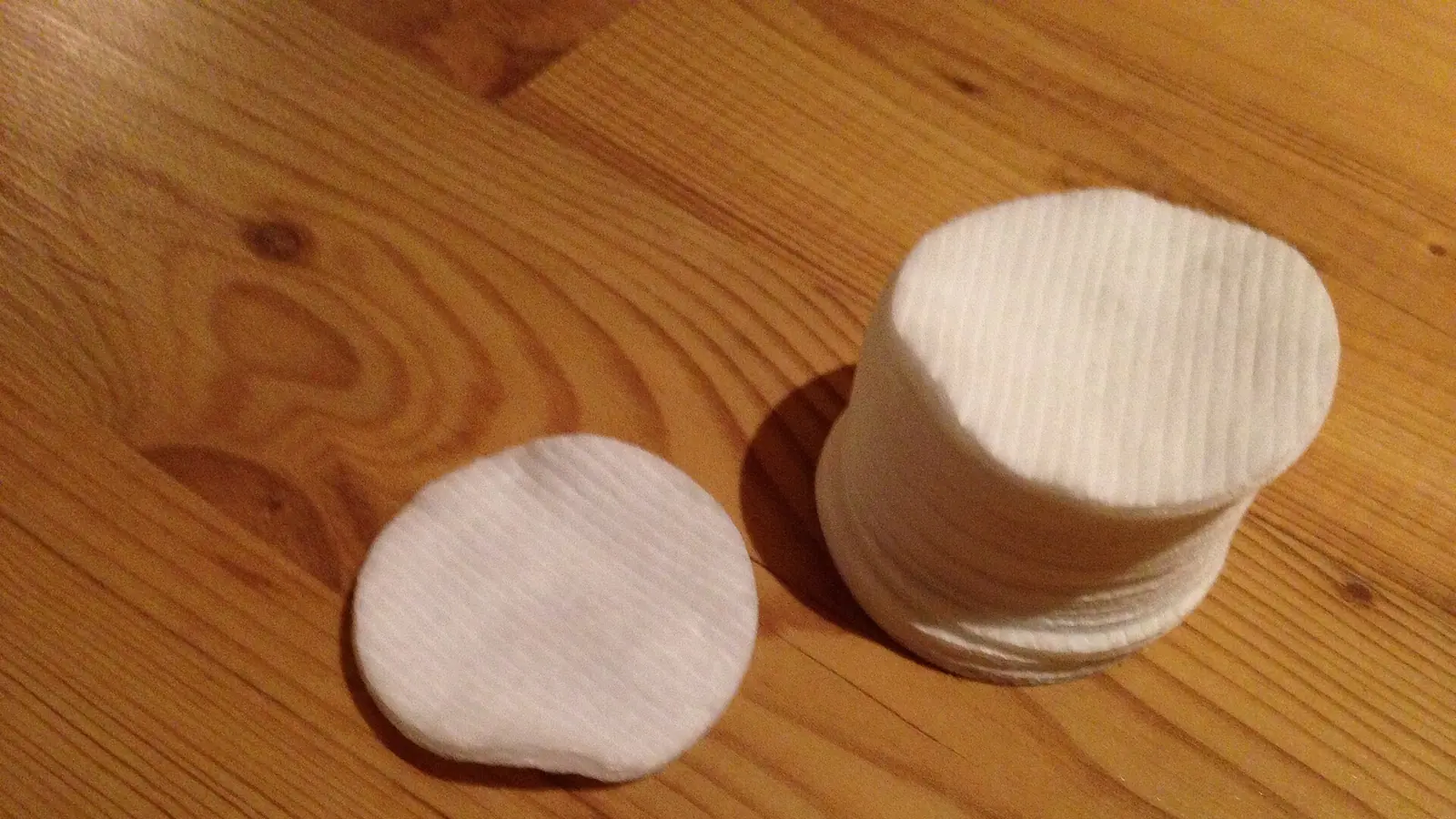

What is the best makeup remover for sensitive eyes? For sensitive eyes, the best makeup remover is fragrance free, free of any ingredient you’ve reacted to before, and used gently, without scrubbing. Makeup remover sits on the thinnest skin of your face, and it’s a known cause of eyelid rashes.
Eye makeup remover for sensitive eyes: what causes reactions
A review in Clinical Reviews in Allergy and Immunology names makeup remover among the common sources of eyelid contact dermatitis, alongside facial cleansers, shampoo, mascara and nail polish. Case reports point to specific ingredients:
| Ingredient | Reported in |
|---|---|
| Cocamidopropyl betaine, a cleansing agent | An eye makeup remover |
| Pentylene glycol | “Hypoallergenic” eye cosmetics |
| Biguanide preservatives | Micellar water |
Another report in the Journal of the European Academy of Dermatology and Venereology describes eyelid dermatitis from an “unsuspected” eye makeup remover. That’s the pattern to keep in mind: people blame mascara or eyeshadow, when the product they wipe on to take it off can be the cause. Our eyelid dermatitis guide explains how to narrow it down, and a patch test with a dermatologist can identify the exact ingredient.
Preservatives matter for the eye itself too. In a lab study in Experimental Eye Research, benzalkonium chloride and formaldehyde, preservatives used in eye cosmetics including makeup removers, damaged human eye-surface and oil-gland cells in a dose-dependent way. It’s a cell study, not proof of harm in people, but it’s a reason to rinse off any residue and avoid getting remover in your eyes.
Fragrance free makeup remover
Fragrance is one of the most common causes of reactions to eye cosmetics (Current Opinion in Allergy and Clinical Immunology), so start with a remover labeled fragrance free. Check the list for:
- Fragrance, parfum and essential oils. Our fragrance allergy guide lists the chemical names.
- Cocamidopropyl betaine, if you’ve reacted to it. It’s common: it appeared in 17.6% of 1,470 “clean” products in one ingredient survey.
- Preservatives you know you react to. Our page on preservatives shows how they’re named.
“Hypoallergenic” on the bottle doesn’t settle it, as the pentylene glycol case shows. Our guide to what hypoallergenic means explains why.
Micellar water for sensitive skin
Micellar water is a no-rinse liquid you apply with a cotton pad, and it’s the most searched remover type for sensitive skin. It can work well: in a study of 60 people with rosacea redness, an 8-week routine that included a micellar water, cream and serum reduced redness and symptoms (Journal of Cosmetic Dermatology). But it isn’t automatically gentle. A 2026 report in Dermatitis describes micellar water as a new source of allergy to biguanide preservatives, so read its label as carefully as any other.
Oil free makeup remover or oil-based?
Both kinds can suit sensitive eyes; what matters more is the ingredient list and how much you rub. A review of skin care for rosacea in Clinical, Cosmetic and Investigational Dermatology recommends removing makeup gently with the hands using oil products with emulsifiers, so the skin doesn’t lose its own lipids. If you prefer an oil free remover, the same fragrance and preservative checks apply.
Best waterproof eye makeup remover for sensitive eyes
Waterproof mascara and eyeliner are harder to remove, and rubbing is what irritates. The same rosacea review advises avoiding waterproof makeup on sensitive skin because removing it takes more intensive rubbing. If you do wear it:
- Let the remover do the work: hold a soaked pad on the closed lid instead of scrubbing.
- Be careful not to scratch your eye, and never remove eye makeup in a moving vehicle, as the FDA warns.
- Stop any remover that stings or leaves your lids red; see a doctor if the irritation continues.
For the products you’re removing, see hypoallergenic mascara and hypoallergenic eyeshadow.
More in Skincare
What Does Hypoallergenic Mean on a Label? The Legal Answer
What does hypoallergenic mean? In the US it has no legal definition for cosmetics, detergents or jewelry. What the FDA says and which signals count.
Fragrance Free vs Unscented: Why the Difference Matters
Fragrance free vs unscented: unscented products can hide masking fragrance, and fragrance-free ones may still contain scented plant oils. Read the label.
Fragrance Free Moisturizer for Sensitive Skin: How to Choose
How to choose a fragrance free moisturizer for sensitive or eczema-prone skin: ointments vs creams, barrier-repair ingredients and common irritants.
Hypoallergenic Makeup for Sensitive Eyes: What to Look For
Hypoallergenic makeup for sensitive eyes: how to choose mascara, liner and shadow when your eyelids itch or water, and the hygiene habits that matter most.
Sources & further reading
- U.S. Food and Drug Administration — Eye cosmetic safety: when applying or removing eye cosmetics, be careful not to scratch the eyeball or other sensitive area; never apply or remove them in a moving vehicle; stop any product that irritates and see a doctor if irritation persists.
- Clinical Reviews in Allergy and Immunology — Zirwas, 2019: eyelids are a frequent site of cosmetic contact dermatitis; common sources include makeup remover, facial cleansers, shampoo, mascara and nail polish. DOI: 10.1007/s12016-018-8717-9.
- Contact Dermatitis — Ross and White, 1991: case report: eyelid dermatitis due to cocamidopropyl betaine in an eye make-up remover. DOI: 10.1111/j.1600-0536.1991.tb01778.x.
- Journal of the European Academy of Dermatology and Venereology — Du-Thanh and colleagues, 2011: case report: eyelid contact dermatitis due to an unsuspected eye make-up remover. DOI: 10.1111/j.1468-3083.2010.03689.x.
- Contact Dermatitis — Seremet and colleagues, 2023: case report: allergic contact dermatitis from pentylene glycol in 'hypoallergenic' eye cosmetics. DOI: 10.1111/cod.14224.
- Dermatitis — Weber and colleagues, 2026: report of micellar water as a new source of biguanide-related allergic contact dermatitis. DOI: 10.1177/17103568251379880.
- Experimental Eye Research — Chen and colleagues, 2018: lab study: benzalkonium chloride and formaldehyde, preservatives used in eye cosmetics including makeup remover, were toxic to human meibomian gland, corneal and conjunctival cells in a dose-dependent way. DOI: 10.1016/j.exer.2018.02.020.
- Journal of Cosmetic Dermatology — Guertler and colleagues, 2020: 60 people with centrofacial redness: an 8-week routine of micellar water, cream and serum for sensitive, redness-prone skin cut redness by 16% and rosacea symptoms by 57.1%. DOI: 10.1111/jocd.13591.
- Current Opinion in Allergy and Clinical Immunology — Norris and Bielory, 2018: reactions to eye cosmetics are most often due to preservatives, fragrances and dyes. DOI: 10.1097/ACI.0000000000000474.
- Clinical, Cosmetic and Investigational Dermatology — Sobkowska and colleagues, 2023: rosacea cosmetology review: avoid waterproof makeup because removing it takes more intensive rubbing; remove makeup gently with the hands using oil products containing emulsifiers so as not to strip skin lipids. DOI: 10.2147/CCID.S412800.
- Dermatitis — Tran and colleagues, 2022: in 1,470 'clean' products, cocamidopropyl betaine appeared in 17.6% and fragrance or botanicals in 82.9%. DOI: 10.1097/DER.0000000000000863.