Hypoallergenic Eyeshadow for Sensitive Eyes
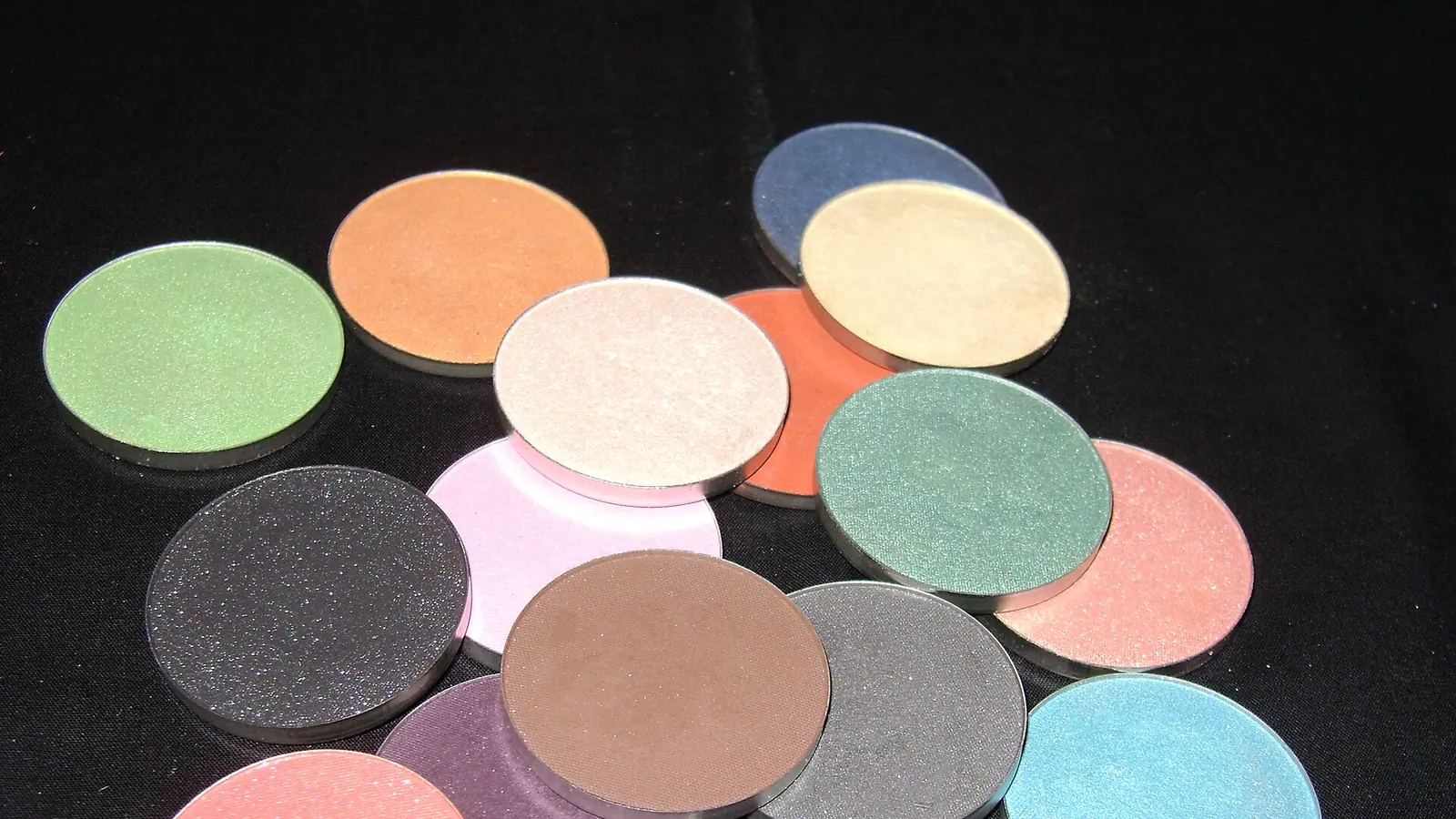

What is the best hypoallergenic eyeshadow? For sensitive eyes, the best hypoallergenic eyeshadow is one without fragrance or any preservative you react to, made for use around the eyes, and kept clean. The word “hypoallergenic” itself guarantees nothing: the FDA says it has no federal definition and means whatever the company wants it to mean.
Eyeshadow for sensitive eyes: what causes reactions
Eyelid skin is thin and reacts easily, and eyeshadow is only one suspect. A review in Clinical Reviews in Allergy and Immunology lists frequent sources of eyelid rashes that include shampoo, conditioner, facial cleanser, makeup remover, mascara, nail polish, makeup sponges and allergens carried on the hands. Our eyelid dermatitis guide explains how to narrow it down.
When eye makeup is the cause, the ingredients behind it are usually preservatives, fragrances and dyes, according to a review in Current Opinion in Allergy and Clinical Immunology. That makes the label your first check: skip fragrance (including “parfum” and essential oils) and any preservative you know you react to. Our page on preservatives shows the names to look for.
Eyeshadow allergy: nickel and other metal impurities
Eyeshadow pigments can carry traces of metals that aren’t on the ingredient list:
| Study | What was found |
|---|---|
| 88 colors, 25 brands (Finland) | 75% had more than 5 ppm of at least one metal; up to 49 ppm nickel and 41 ppm cobalt |
| 10 eyeshadows (Korea) | All had more than 5 ppm of nickel, cobalt or chromium |
The Finnish researchers judged those levels high enough to cause symptoms in people already allergic to these metals, and noted that such impurities aren’t declared on labels, which makes choosing hard for allergic consumers. In the Korean study, metals were the top allergens in patients with eyelid dermatitis.
For most people, though, metals aren’t the issue. A study of 1,843 women in the general population in Denmark found that women with nickel allergy were no more likely to report reactions to eye shadow or mascara; reactions were more common in people with atopic dermatitis. If you know you’re allergic to nickel or cobalt and your lids react, ask a dermatologist about patch testing, and see our nickel allergy guide.
Mineral eyeshadow
“Mineral” describes the pigments, not the absence of allergens. The metal impurities in the studies above come with pigments, so a mineral eyeshadow isn’t automatically safer for someone with a metal allergy. What does help is choosing a product made for the eyes: the FDA only allows color additives near the eyes when their regulation specifically permits it, so don’t use lip or face colors on your lids. If you also want to avoid talc, see talc free makeup.
Best eyeshadow for sensitive eyes: how to use it
The FDA’s eye cosmetic safety tips apply to eyeshadow:
- Stop any eye product that irritates, and see a doctor if irritation continues.
- Don’t use eye makeup on inflamed skin or during an eye infection; throw out what you were using when you got the infection.
- Don’t share eye cosmetics, and only try store testers with single-use applicators.
- Wash your hands and keep brushes and applicators clean. In a study of used cosmetics, 79% to 90% were contaminated with bacteria.
Remove eyeshadow gently at night; our guide to makeup remover for sensitive eyes covers how. For the rest of your eye makeup, see hypoallergenic mascara and hypoallergenic eyeliner.
More in Skincare

What Does Hypoallergenic Mean on a Label? The Legal Answer
What does hypoallergenic mean? In the US it has no legal definition for cosmetics, detergents or jewelry. What the FDA says and which signals count.
Fragrance Free vs Unscented: Why the Difference Matters
Fragrance free vs unscented: unscented products can hide masking fragrance, and fragrance-free ones may still contain scented plant oils. Read the label.
Fragrance Free Moisturizer for Sensitive Skin: How to Choose
How to choose a fragrance free moisturizer for sensitive or eczema-prone skin: ointments vs creams, barrier-repair ingredients and common irritants.
Hypoallergenic Makeup for Sensitive Eyes: What to Look For
Hypoallergenic makeup for sensitive eyes: how to choose mascara, liner and shadow when your eyelids itch or water, and the hygiene habits that matter most.
Sources & further reading
- U.S. Food and Drug Administration — No Federal standards or definitions govern the term "hypoallergenic"; it means whatever a particular company wants it to mean.
- U.S. Food and Drug Administration — Color additives fact sheet: a color additive may not be used in the area of the eye unless its regulation specifically permits that use.
- U.S. Food and Drug Administration — Eye cosmetic safety: stop a product that irritates, don't share eye cosmetics, use single-use applicators for testers, wash hands, don't use eye cosmetics on inflamed skin, use only products intended for the eye area.
- Contact Dermatitis — Sainio and colleagues, 2000: 88 eye shadow colors from 25 brands: 75% had more than 5 ppm of lead, cobalt, nickel, chromium or arsenic; up to 41 ppm cobalt and 49 ppm nickel, enough to cause symptoms in sensitized people; these impurities aren't declared on labels. DOI: 10.1034/j.1600-0536.2000.042001005.x.
- Journal of the European Academy of Dermatology and Venereology — Oh and colleagues, 2016: in 67 patients with eyelid dermatitis, metals were top allergens; all 10 eye shadows tested had more than 5 ppm of nickel, cobalt or chromium. DOI: 10.1111/jdv.13646.
- Journal of the European Academy of Dermatology and Venereology — Thyssen and colleagues, 2010: 1,843 Danish women: nickel allergy was no more common in women reporting dermatitis from mascara or eye shadow; cosmetic dermatitis was linked to atopic dermatitis; a causal link in selected cases isn't excluded. DOI: 10.1111/j.1468-3083.2009.03506.x.
- Current Opinion in Allergy and Clinical Immunology — Norris and Bielory, 2018: allergic reactions to eye cosmetics are most often due to preservatives, fragrances and dyes; metals such as nickel, cobalt and chromium are found in eye shadows and eyeliners. DOI: 10.1097/ACI.0000000000000474.
- Clinical Reviews in Allergy and Immunology — Zirwas, 2019: eyelids are a frequent site of cosmetic dermatitis, with sources including shampoo, conditioner, facial cleansers, makeup remover, mascara, nail polish, makeup sponges and allergens transferred from the hands. DOI: 10.1007/s12016-018-8717-9.
- Journal of Applied Microbiology — Bashir and Lambert, 2020: 79% to 90% of used cosmetics, including eyeliners and mascaras, were contaminated with bacteria. DOI: 10.1111/jam.14479.