Talc Free Makeup: Is Talc Bad in Makeup?
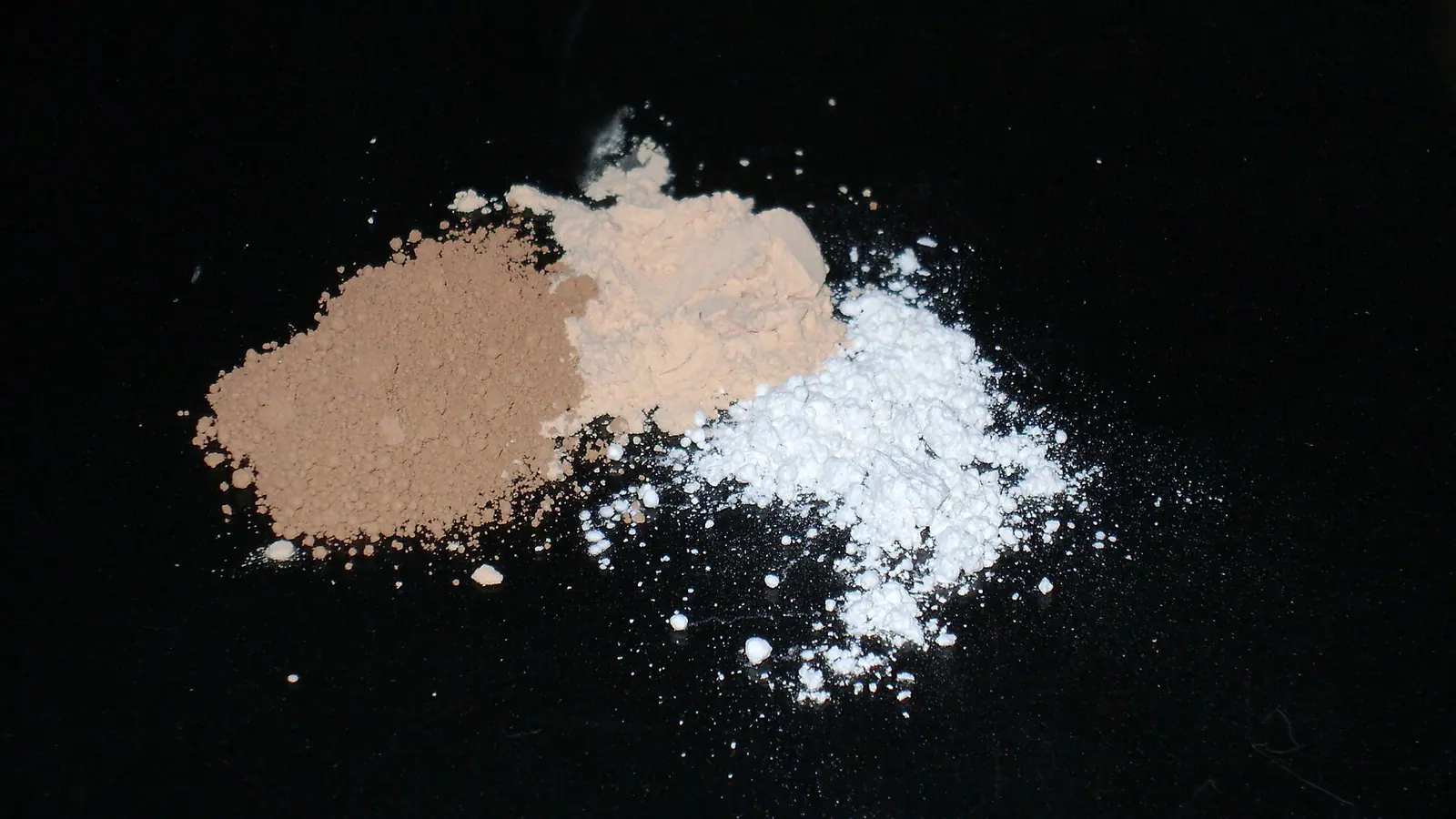

What is talc free makeup? Talc free makeup is powder, blush, eyeshadow or foundation made without talc, a soft mineral that gives powders their silky feel. People choose it mainly because of concerns about asbestos contamination and cancer. If you want to avoid talc, read the ingredient list: “mineral makeup” and “natural” don’t guarantee it’s talc free.
Is talc bad in makeup?
The science comes down to two separate questions.
Asbestos contamination. Talc and asbestos are minerals that may be found close together in the earth, and asbestos is a known carcinogen when inhaled, as the FDA explains. Testing has found it in some products:
| Testing | Products with asbestos |
|---|---|
| FDA year-long survey, 2019-2020 | 9 of 52 |
| Independent study, 2020 | 3 of 21, one marketed for children |
| FDA, 2021 | 0 of 50 |
| FDA, 2022 | 0 of 50 |
| FDA, 2023 | 0 of 50 |
The early FDA survey deliberately included products already reported as contaminated, so the FDA says its 9 positives shouldn’t be read as the share of contaminated products on the market. There is still no required US testing method. The FDA proposed one in December 2024 and withdrew the proposal in November 2025 to consider the comments it received (FDA).
Talc itself. In 2024 the WHO’s International Agency for Research on Cancer rated talc “probably carcinogenic to humans” (Group 2A), as its working group reported in The Lancet Oncology. The human evidence behind that rating is mostly about talcum powder used in the genital area: a meta-analysis of 11 studies found frequent genital use linked to higher odds of ovarian cancer. The FDA says studies have not conclusively shown that link. On the other side, the Cosmetic Ingredient Review panel concluded in 2015 that asbestos-free talc is safe in cosmetics as used, though not on broken skin.
For sensitive skin, that last point is the practical one: avoid dusting any powder onto cracked, raw or eczema-damaged skin. Our guide to organic tampons covers other products used in the genital area.
Talc free setting powder and face powder
Talc is used in many powders, from baby powder to blush (FDA), and asbestos is a risk when inhaled, so loose setting and face powders are where most people look for a talc free option. A review in Clinical, Cosmetic and Investigational Dermatology describes talc free mineral makeup based mainly on:
- titanium dioxide and zinc oxide
- iron oxides (for color)
- mica
- bismuth oxychloride or boron nitride
To check a product, read the full ingredient list for “talc.” Don’t rely on “mineral,” “natural” or “clean”: the FDA notes that an ingredient’s source doesn’t determine its safety, and none of these words means talc free. Our guide to fragrance free makeup explains what “clean” labels do and don’t promise.
Talc free eyeshadow and blush
Talc is used in products from baby powder to blush, and the FDA’s sampling chose products by type, price, popularity and marketing to children (FDA); blush and bronzer were among the products tested (FDA). If you’re avoiding talc, check blush and eyeshadow labels the same way. Eyeshadow has its own allergy issue, metal impurities, covered in our guide to hypoallergenic eyeshadow. For base makeup that won’t clog pores, see non comedogenic makeup.
Talc free body powder
Body and baby powders are among the best-known talc products (FDA). The body is also where the main health questions about talc come from: a meta-analysis of 11 studies linked frequent use of talcum powder in the genital area to higher odds of ovarian cancer (Journal of General Internal Medicine), and the World Health Organization’s cancer agency classifies talc as probably carcinogenic to humans (Lancet Oncology). The FDA says studies have not conclusively shown a link with ovarian cancer (FDA), so the evidence is still debated, but it’s a reason many people switch.
If you’re switching, check the ingredient list: a talc free powder won’t list “talc,” and many use a plant starch instead. Look for fragrance too, a frequent cause of skin allergy; our fragrance allergy guide explains what to look for.
Talc free dusting powder
Whatever the base, don’t dust powder onto broken or raw skin: the expert panel that reviewed talc for cosmetics said it shouldn’t be used where the skin barrier is missing or badly damaged (Cosmetic Ingredient Review). If you use powder for sweat rash in skin folds, our heat rash guide explains why cooling the skin is the main treatment.
More in Skincare
What Does Hypoallergenic Mean on a Label? The Legal Answer
What does hypoallergenic mean? In the US it has no legal definition for cosmetics, detergents or jewelry. What the FDA says and which signals count.
Fragrance Free vs Unscented: Why the Difference Matters
Fragrance free vs unscented: unscented products can hide masking fragrance, and fragrance-free ones may still contain scented plant oils. Read the label.
Fragrance Free Moisturizer for Sensitive Skin: How to Choose
How to choose a fragrance free moisturizer for sensitive or eczema-prone skin: ointments vs creams, barrier-repair ingredients and common irritants.
Hypoallergenic Makeup for Sensitive Eyes: What to Look For
Hypoallergenic makeup for sensitive eyes: how to choose mascara, liner and shadow when your eyelids itch or water, and the hygiene habits that matter most.
Sources & further reading
- U.S. Food and Drug Administration — Talc: used in many cosmetics from baby powder to blush; talc and asbestos can occur close together in the earth, asbestos is a known carcinogen when inhaled; studies have not conclusively shown a link with ovarian cancer; the December 2024 proposed rule on asbestos testing was withdrawn on 28 November 2025.
- U.S. Food and Drug Administration — Year-long sampling of talc-containing cosmetics (2019-2020): 43 samples negative and 9 positive for asbestos; samples included products reported by third parties as contaminated, so positives should not be read as the overall frequency in the marketplace.
- U.S. Food and Drug Administration — 2021 testing: asbestos fibers were not detected in any of the 50 samples tested.
- U.S. Food and Drug Administration — 2022 testing: asbestos was not detected in any of the 50 samples tested.
- U.S. Food and Drug Administration — 2023 testing: asbestos was not detected in any of the 50 samples tested.
- U.S. Food and Drug Administration — "Organic" cosmetics: the term isn't defined in the laws FDA enforces for cosmetics, and an ingredient's source does not determine its safety; many plants contain toxic or allergenic substances.
- Environmental Health Insights — Stoiber and colleagues, 2020: electron microscopy found amphibole asbestos in 3 of 21 talc-based powder cosmetics, one marketed for children. DOI: 10.1177/1178630220976558.
- The Lancet Oncology — Stayner and colleagues, 2024: IARC Monographs Volume 136 working group summary: talc classified as probably carcinogenic to humans (Group 2A). DOI: 10.1016/S1470-2045(24)00384-X.
- Journal of General Internal Medicine — Woolen and colleagues, 2022: meta-analysis of 11 studies: frequent perineal talcum powder use linked to higher odds of ovarian cancer (pooled odds ratio 1.47). DOI: 10.1007/s11606-022-07414-7.
- International Journal of Toxicology — Fiume and colleagues, 2015: cosmetic Ingredient Review: asbestos-free talc safe in cosmetics at present practices of use; talc should not be applied where the skin barrier is missing or significantly disrupted. DOI: 10.1177/1091581815586797.
- Clinical, Cosmetic and Investigational Dermatology — Sobkowska and colleagues, 2023: rosacea cosmetology review: mineral makeup should be talc free and based mainly on titanium dioxide, zinc oxide, iron oxides, mica, bismuth oxychloride or boron nitride. DOI: 10.2147/CCID.S412800.