Titanium Dioxide: Is It Safe in Food, Sunscreen and Makeup?
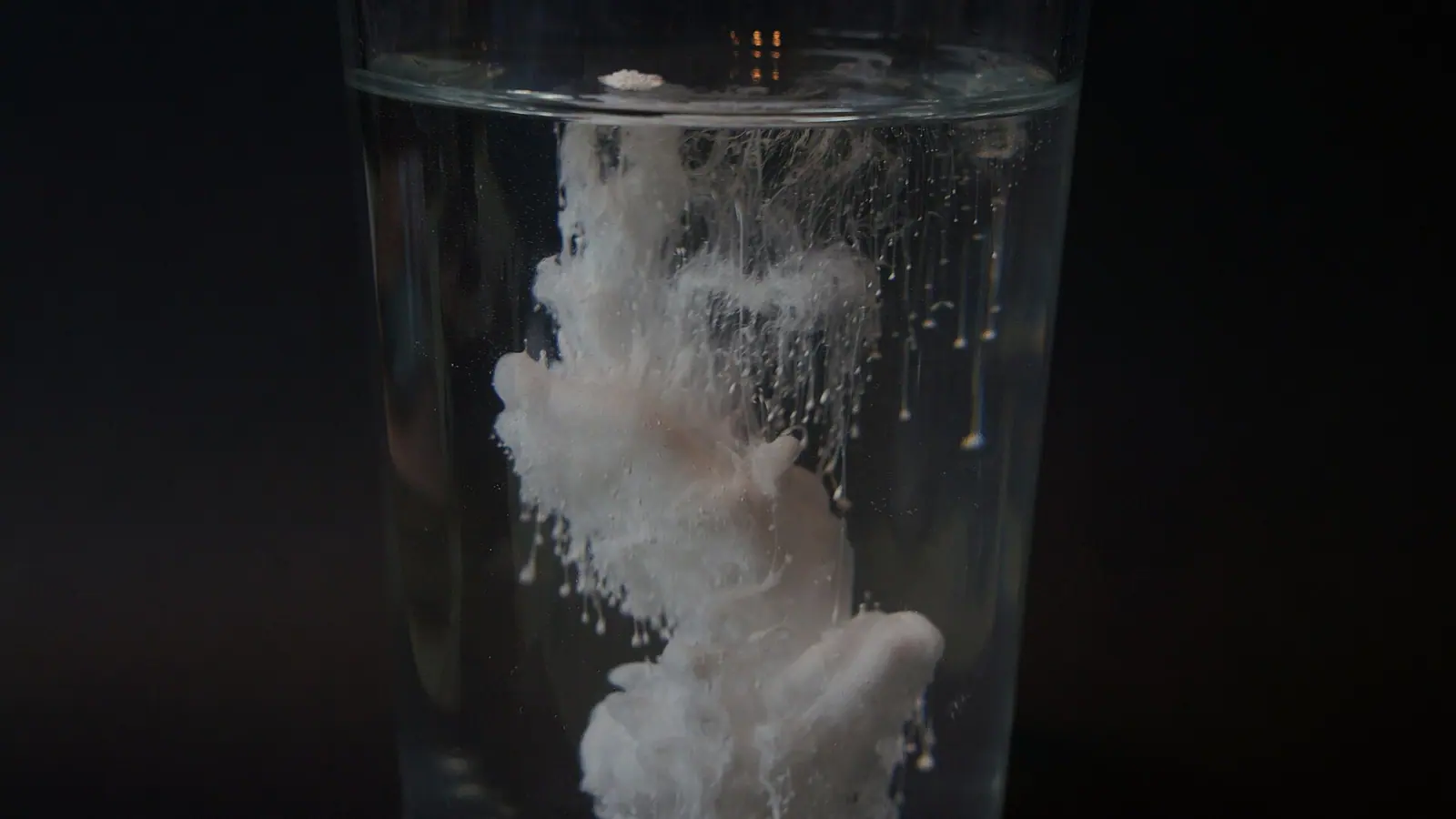

Is titanium dioxide safe? On the skin, yes: titanium dioxide doesn’t get past the outer layer of skin, and allergic reactions to it in sunscreen are not reported, which makes it one of the gentlest ingredients for sensitive skin. In food, the picture is split. The EU banned it as a food additive in 2022, while the FDA still allows it and says it found no safety concern. The one clear caution is breathing it in, from sprays and loose powders.
Titanium dioxide (TiO2) is a white mineral pigment. It’s what makes candy coatings, toothpaste, pills, paint and many foundations bright white, and in sunscreen it’s one of the two mineral filters, next to zinc oxide. It contains titanium, but whether titanium is hypoallergenic in jewelry is a separate question.
Titanium dioxide in food
In the United States, titanium dioxide is an approved color additive. It can make up no more than 1% of a food’s weight, and it shows on the label as “artificial color” or “colored with titanium dioxide,” though it doesn’t have to be named (FDA). It’s used in foods such as bakery products and candy (FDA).
E171 titanium dioxide
In Europe, titanium dioxide in food is called E171. In 2021 the European Food Safety Authority concluded that E171 could no longer be considered safe: it found no organ or reproductive toxicity at the doses tested, but it couldn’t rule out that the particles damage DNA (EFSA). The EU banned it in food in 2022 (Dand).
Is titanium dioxide safe?
Regulators disagree about food. The FDA notes that a WHO and FAO expert committee found titanium dioxide in food safe in 2023, that regulators in the UK, Canada and Australia and New Zealand didn’t agree with EFSA, and that it didn’t cause cancer in National Toxicology Program studies. The FDA is reviewing a 2023 petition to remove it from food (FDA). If you’d rather avoid it while that plays out, check ingredient lists on candy and coated foods.
On the skin, studies agree more. Nano-sized titanium dioxide stays in the outer layer of skin, healthy or damaged, and European experts consider it a non-sensitizer. Their one warning is about the lungs: they advise against nano titanium dioxide in sprays and loose powders that could be breathed in (Dréno).
Titanium dioxide sunscreen
The FDA has proposed zinc oxide and titanium dioxide as the two sunscreen ingredients that are generally recognized as safe and effective (Federal Register). For sensitive skin, that’s a big plus: a review of sunscreen allergy found reactions to the organic (chemical) filters, led by oxybenzone, and none reported for zinc oxide or titanium dioxide (Ekstein and Hylwa).
Sunscreen with zinc oxide and titanium dioxide
Many mineral sunscreens combine both filters. Check the Drug Facts box for “broad spectrum,” and pick a cream or lotion over a spray so you don’t breathe in the particles. When a mineral sunscreen stings or itches, the cause is usually something else in the formula, such as fragrance or a preservative. Our hypoallergenic sunscreen guide and baby sunscreen guide explain what to check on the label.
Titanium dioxide in cosmetics
U.S. rules allow titanium dioxide as a color in all cosmetics, including products used around the eyes (21 CFR 73.2575). It gives foundation, concealer, eyeshadow and pressed powder their coverage, and tinted products that combine iron oxides with pigment-grade titanium dioxide also protect against visible light (Lyons).
Titanium dioxide free makeup
Allergy to titanium itself is rare and hard to test for; most reports involve metal implants, not makeup (Fage). So titanium dioxide free makeup isn’t needed for most people with sensitive skin. If you want to cut down on inhaled particles, a cream or liquid product is a simpler fix than hunting for a formula without it. Our guides to talc free makeup and hypoallergenic foundation cover the ingredients that cause more trouble.
More in Ingredients & materials
Nickel Allergy: Causes, Sources, Rules and Testing
Nickel allergy: why nickel causes allergic contact dermatitis, where it's found, how US and EU rules differ, and how spot tests and patch tests work.

Fragrance Allergy: What 'Fragrance' and 'Parfum' Can Hide
Fragrance allergy: why one word on a label can stand for dozens of chemicals, which allergens dermatologists test for, and US vs EU label rules.

Methylisothiazolinone (MI): A Preservative Allergy Explained
Methylisothiazolinone (MI) and MCI/MI: where they're used, why allergy to them surged, how the EU restricted them, and how to spot them on labels.
Formaldehyde Allergy and Formaldehyde Releasers on Labels
Formaldehyde allergy: which preservatives release formaldehyde, the label names to look for, where else it turns up, and what US and EU rules say.
Sources & further reading
- U.S. Food and Drug Administration — Titanium dioxide as a color additive in foods: allowed at up to 1% of the food's weight (21 CFR 73.575); JECFA found it safe in 2023; FDA did not identify genotoxicity concerns and notes it did not cause cancer in National Toxicology Program studies; reviewing a 2023 petition to repeal the food use; the UK, Canada and Australia/New Zealand did not agree with EFSA.
- EFSA Journal (European Food Safety Authority) — EFSA Panel on Food Additives and Flavourings, 2021: updated safety assessment of E 171: low absorption but possible accumulation; no general organ or reproductive toxicity at the doses tested, but a concern for genotoxicity could not be ruled out, so E 171 could no longer be considered safe as a food additive. DOI: 10.2903/j.efsa.2021.6585.
- Toxicology — Dand and colleagues, 2025: following EFSA's concerns, titanium dioxide has been banned as a food additive in the EU since 2022; other regulators found too little evidence for a ban; its use as a pharmaceutical excipient is under review. DOI: 10.1016/j.tox.2025.154089.
- U.S. Code of Federal Regulations (eCFR) — 21 CFR 73.2575: titanium dioxide may be safely used in cosmetics, including cosmetics used around the eye, in amounts consistent with good manufacturing practice; exempt from batch certification.
- U.S. Food and Drug Administration (Federal Register) — Sunscreen drug products for over-the-counter human use, proposed rule (Feb 26, 2019): zinc oxide and titanium dioxide proposed as generally recognized as safe and effective sunscreen active ingredients.
- Journal of the European Academy of Dermatology and Venereology — Dréno and colleagues, 2019: nano titanium dioxide in cosmetics does not penetrate beyond the outer stratum corneum in healthy or compromised skin; the EU SCCS considers it a non-sensitizer and safe in sunscreens up to 25%, but not in sprays or powders that may be inhaled; oral exposure from lip balm not expected to cause harm. DOI: 10.1111/jdv.15943.
- Contact Dermatitis — Fage and colleagues, 2016: review of titanium exposure and allergy: titanium oxide nanoparticles do not seem to penetrate a healthy skin barrier; patch testing for titanium is inadequate; reports of clinical allergy are rare and come mostly from implants. DOI: 10.1111/cod.12565.
- Dermatitis — Ekstein and Hylwa, 2023: review of sunscreen allergy: allergic and photoallergic reactions come from organic UV filters, led by oxybenzone, with none reported for zinc oxide or titanium dioxide. DOI: 10.1097/der.0000000000000963.
- Journal of the American Academy of Dermatology — Lyons and colleagues, 2021: review of tinted sunscreens: tinted products with iron oxides and pigmentary titanium dioxide protect against visible light; nanoparticle minerals reduce the white cast. DOI: 10.1016/j.jaad.2020.04.079.