Is Titanium Hypoallergenic? What the Allergy Studies Show
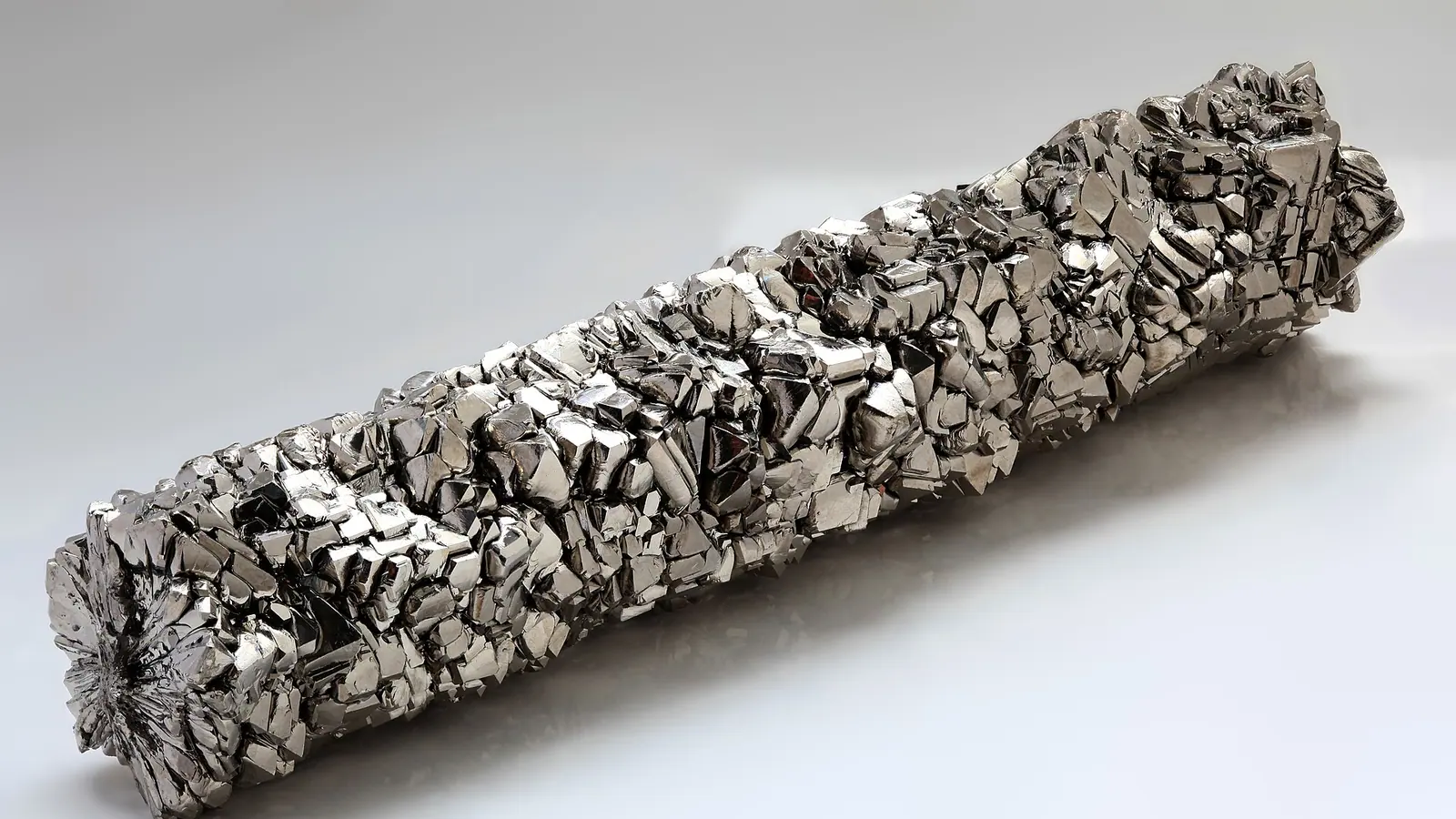

Is titanium hypoallergenic? Mostly, yes. Titanium allergy is rare, which is why titanium is used for medical implants and is a first choice for new piercings and nickel-allergic skin. But rare isn’t never: a small share of people react to titanium, and the standard skin tests aren’t good at finding them.
Is titanium safe? Why it has its reputation
Titanium is prized for how well the body tolerates it. A review by Wood and Warshaw describes it as notable for its biocompatibility and often chosen for metal-sensitive patients, with hypersensitivity reported only in rare cases. Fage and colleagues add that titanium doesn’t appear to penetrate intact skin, whether as metal, alloy or titanium oxide nanoparticles, and that reports of clinical allergy are rare.
For jewelry, the bigger point is what titanium lacks. Unlike many steels and white golds, titanium jewelry metal isn’t a nickel alloy, so it avoids the most common metal allergy. Our titanium earrings guide covers the grades sellers use.
How rare is titanium allergy?
It depends on who is tested:
| Group tested | Titanium allergy found |
|---|---|
| 1,500 dental implant patients (Sicilia and colleagues) | 9 people, 0.6% |
| 458 patients referred for patch testing (de Graaf and colleagues) | 5.7% reacted to at least one of five titanium salts |
| 255 patients tested with a metal series (Daniely and colleagues) | 5% had a relevant reaction; 38% of those linked to jewelry |
The low figure comes from a general implant population; the higher ones come from people already sent for allergy testing, many of whom react to several metals. In the Sicilia study, positives clustered in patients who had allergy-like symptoms after implant placement or unexplained implant failure. In the Daniely study, many people who reacted to titanium also reacted to nickel, cobalt or vanadium, and the authors expect titanium reactions to become more common as “nickel-free” jewelry and implants spread.
Titanium allergy test: why it’s hard to test
Because titanium barely gets through skin, a patch test can easily miss it. Fage and colleagues conclude that available titanium patch test preparations are inadequate and no lab test is generally accepted, so diagnosis rests on clinical evaluation. In the de Graaf study, titanium dioxide, the most common form, was not sensitive enough, and no single titanium salt picked up every case. A review of 35 articles by Chen and Kurmis rated the evidence as poor and said calling titanium hypoallergenic is largely extrapolated from other fields.
The FDA makes a similar point about implants: skin patch tests and blood metal levels correlate poorly with adverse responses to metal implants, while verified hypersensitivity remains relatively uncommon.
Titanium allergy symptoms: what reactions look like
The documented cases are unusual but instructive:
- Hosoki and colleagues describe a man whose eczema began after orthopedic surgery, persisted for a year after the titanium screws were removed, and cleared only after his titanium dental implants were also removed.
- High and colleagues describe four firm nodules at ear piercing sites about 10 years after piercing. Tissue analysis found titanium, aluminum and vanadium, the components of a common titanium alloy.
Is titanium hypoallergenic for everyone? Who should be careful
For most people, including those with nickel allergy, titanium is one of the safest metals for jewelry. Be more cautious if you already react to several metals, or if a titanium piece or implant seems to cause a rash that won’t settle. In that case, tell a dermatologist that you suspect titanium, since a standard metal panel may not include a reliable titanium test. Our nickel allergy test guide explains how patch testing works.
Related guides
Comparing options? See titanium vs surgical steel, niobium earrings and platinum earrings. For new piercings, read hypoallergenic piercing jewelry.
More in Jewelry
Hypoallergenic Earrings: Metals That Avoid Nickel
Hypoallergenic earrings explained: which metals avoid nickel, how to read the label, and what to ask a seller before you buy a pair for sensitive ears.
Titanium vs Surgical Steel: Which Suits Sensitive Skin?
Titanium vs surgical steel for nickel allergy: grades, nickel content, ASTM implant specifications, cost, and when each metal makes sense for your skin.
Is Sterling Silver Hypoallergenic? What Nickel Allergy Means
Is sterling silver hypoallergenic? Usually low in nickel, but plating, cheap alloys and tarnish complicate it. When silver suits sensitive skin.
Is 14k Gold Hypoallergenic? Karats, Alloys and Nickel
Is 14k gold hypoallergenic? Pure gold rarely causes reactions, but its alloy metals can. How karat, white or rose color and plating change nickel risk.
Sources & further reading
- Dermatitis — Wood and Warshaw, 2015: review describing titanium as notable for biocompatibility and often chosen for metal-sensitive patients, with hypersensitivity reported only in rare cases. DOI: 10.1097/der.0000000000000091.
- Contact Dermatitis — Fage and colleagues, 2016: titanium doesn't appear to penetrate intact skin, clinical allergy reports are rare, and available patch test preparations are inadequate. DOI: 10.1111/cod.12565.
- Clinical Oral Implants Research — Sicilia and colleagues, 2008: 9 of 1,500 dental implant patients (0.6%) tested positive for titanium allergy, clustered in those with allergy-like symptoms or unexplained implant failure. DOI: 10.1111/j.1600-0501.2008.01544.x.
- Contact Dermatitis — de Graaf and colleagues, 2018: 5.7% of 458 patients reacted to at least one of five titanium salts; titanium dioxide missed most cases and no single salt was adequate alone. DOI: 10.1111/cod.13010.
- Contact Dermatitis — Daniely and colleagues, 2025: 5% of 255 patients had a relevant titanium reaction, 38% of them linked to jewelry, often with nickel, cobalt or vanadium co-sensitization. DOI: 10.1111/cod.70021.
- ANZ Journal of Surgery — Chen and Kurmis, 2024: a review of 35 articles found the evidence on titanium allergy poor and the hypoallergenic label largely extrapolated; skin patch testing is unreliable for titanium. DOI: 10.1111/ans.19167.
- Journal of Prosthodontic Research — Hosoki and colleagues, 2016: case of eczema that cleared only after both titanium screws and titanium dental implants were removed. DOI: 10.1016/j.jpor.2015.12.004.
- Journal of the American Academy of Dermatology — High and colleagues, 2006: granulomatous nodules at ear piercing sites about 10 years after piercing, with titanium, aluminum and vanadium particles in the tissue. DOI: 10.1016/j.jaad.2006.02.028.
- U.S. Food and Drug Administration — 2019: skin patch tests and blood metal levels correlate poorly with reactions to metal implants; verified hypersensitivity remains relatively uncommon.