Platinum Earrings: Is Platinum Hypoallergenic?
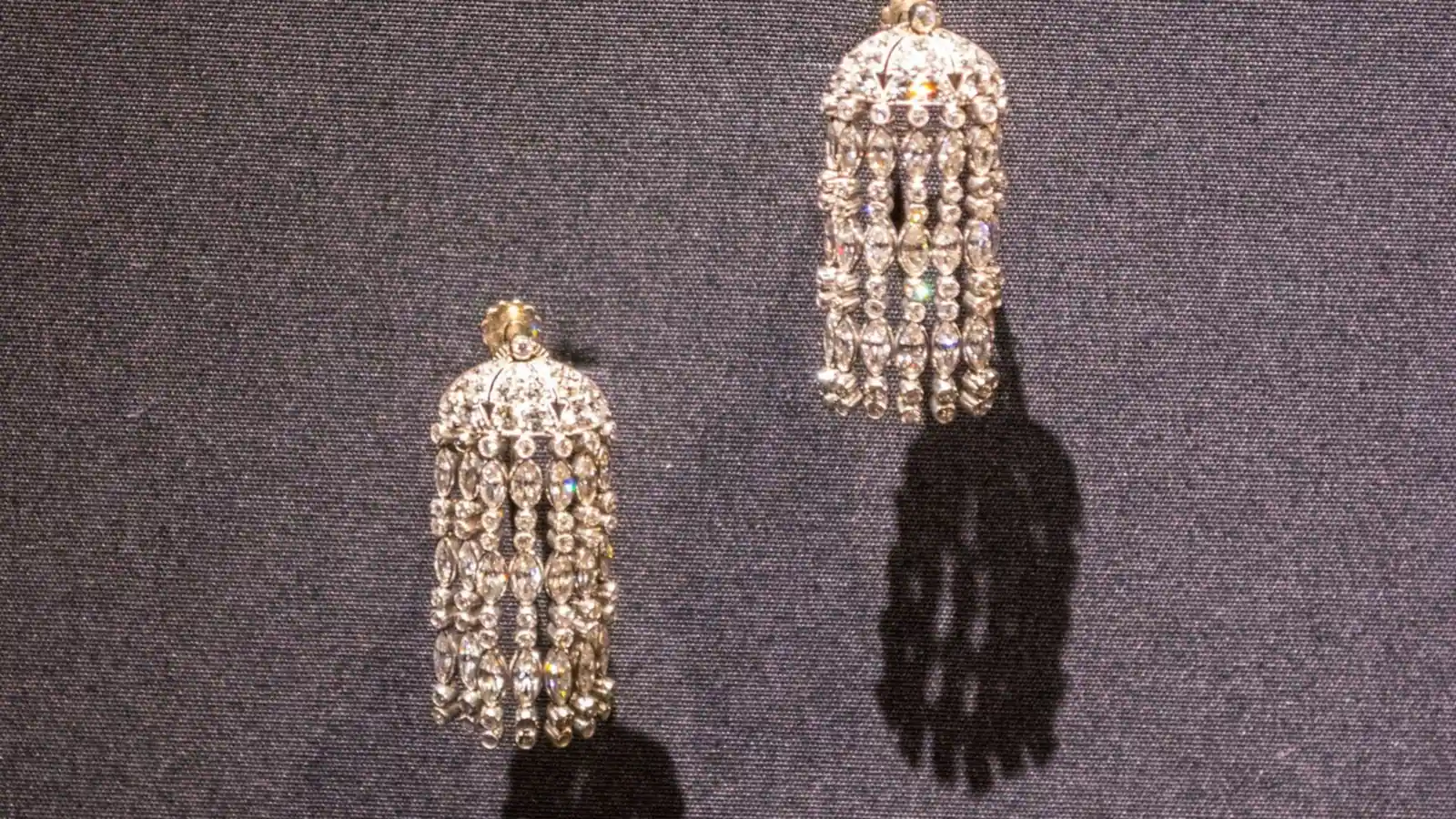

Are platinum earrings good for sensitive ears? Yes, for most people. Platinum earrings are among the safest choices for sensitive ears, because true platinum allergy is rare and jewelry platinum is a high-purity metal. The thing to check is what the rest of the alloy is: some platinum pieces are mixed with palladium or cobalt, and those metals can cause reactions that platinum itself doesn’t.
Is platinum hypoallergenic?
Very nearly. When Fowler and colleagues patch tested 446 unselected patients with a platinum salt, only 2 women reacted, one of whom had no other positive results. The authors concluded platinum allergy is rare but that platinum jewelry may occasionally cause allergic contact dermatitis. That’s far rarer than nickel allergy, the most common positive result in patch-test clinics (see our nickel allergy test guide).
You may read that platinum causes asthma. That comes from refinery work: Baker and colleagues found 28% of former workers at a precious metals refinery had positive skin tests to platinum salts, linked to breathing airborne salts. Those are soluble chemical compounds, not the solid metal in an earring.
What “platinum” on platinum earrings means in the U.S.
The FTC jewelry guides set clear rules:
| Marking | What it requires |
|---|---|
| “Platinum” with no qualifier | At least 950 parts per thousand pure platinum |
| A number, such as “900 Plat.” | At least 850 parts per thousand |
| 500 to 849 parts platinum, without 950 total platinum group metals (for example “58.5% Platinum, 41.5% Cobalt”) | Full composition stated, plus a disclosure that it may differ in properties including hypoallergenicity |
| Under 500 parts per thousand | Can’t be called platinum |
That third row is the one to watch. The FTC itself flags that lower-platinum alloys may behave differently for sensitive skin. If you’re buying platinum earrings because of an allergy, look for 950 platinum or ask for the composition in writing.
Palladium allergy: the metal to ask about
Palladium belongs to the same family of metals as platinum, and the FTC counts platinum group metals together in some alloy rules. That matters because palladium and nickel are closely linked in the skin:
- Among 10,778 patients, Faurschou and colleagues found palladium allergy without nickel allergy in only 0.2%, and recommended limiting palladium in jewelry until more is known.
- In 906 patients across six European clinics, Muris and colleagues found 24.3% reacted to palladium and 25.2% to nickel, with only 6% to 7% reacting to either alone.
- In women allergic to both, Hindsén and colleagues found that swallowing nickel re-activated old palladium patch test sites, which supports true cross-reactivity.
- Goossens and colleagues describe persistent allergic lumps on the ear rim after piercing in two people strongly allergic to palladium.
It isn’t all bad news: when Tillman and colleagues had 40 women allergic to both metals wear palladium-coated earrings for 9 weeks, the risk of eczema from pure palladium coatings was low. Palladium in alloys hasn’t been studied as well. And palladium allergy hasn’t fallen the way nickel allergy did after EU rules: Rosholm Comstedt and colleagues found isolated palladium and cobalt allergy unchanged while nickel allergy dropped.
Cobalt alloys. Some platinum alloys use cobalt, as in the FTC’s own example. Cobalt is a separate metal allergen; in Thailand, Boonchai and colleagues found 37.4% of 551 costume jewelry items released it, depending on whether the alloy or plating contained cobalt. If you know you react to cobalt, ask whether a platinum piece contains any.
How to buy platinum earrings
- Look for the fineness mark, ideally 950 platinum, and ask for the alloy if it’s lower.
- Ask about palladium and cobalt if you’re nickel- or cobalt-allergic.
- Check the posts and backs are platinum too, not a different metal; see hypoallergenic earring backs.
- If you still react, get a patch test that includes palladium and cobalt; see nickel allergy test.
Related guides
For other metals, compare titanium earrings, niobium earrings and is titanium hypoallergenic. Platinum bands are compared in hypoallergenic wedding rings, and the wider picture is in earrings for sensitive ears.
More in Jewelry
Hypoallergenic Earrings: Metals That Avoid Nickel
Hypoallergenic earrings explained: which metals avoid nickel, how to read the label, and what to ask a seller before you buy a pair for sensitive ears.
Titanium vs Surgical Steel: Which Suits Sensitive Skin?
Titanium vs surgical steel for nickel allergy: grades, nickel content, ASTM implant specifications, cost, and when each metal makes sense for your skin.
Is Sterling Silver Hypoallergenic? What Nickel Allergy Means
Is sterling silver hypoallergenic? Usually low in nickel, but plating, cheap alloys and tarnish complicate it. When silver suits sensitive skin.
Is 14k Gold Hypoallergenic? Karats, Alloys and Nickel
Is 14k gold hypoallergenic? Pure gold rarely causes reactions, but its alloy metals can. How karat, white or rose color and plating change nickel risk.
Sources & further reading
- Dermatitis — Fowler and colleagues, 2008: only 2 of 446 unselected patients reacted to a platinum salt on patch testing; platinum allergy is rare but platinum jewelry may occasionally cause dermatitis. DOI: 10.2310/6620.2008.07115.
- U.S. Federal Trade Commission (16 CFR Part 23, via govinfo) — 2025: unqualified platinum means at least 950 parts per thousand; alloys of 500 to 849 parts platinum without 950 total platinum group metals must list their composition and disclose possible differences in hypoallergenicity.
- Contact Dermatitis — Faurschou and colleagues, 2011: palladium allergy without nickel allergy was only 0.2% in 10,778 patients; the authors recommend limiting palladium in jewelry. DOI: 10.1111/j.1600-0536.2011.01878.x.
- Contact Dermatitis — Hindsén and colleagues, 2005: swallowing nickel re-activated old palladium patch test sites in women allergic to both, supporting true cross-reactivity. DOI: 10.1111/j.0105-1873.2005.00577.x.
- Contact Dermatitis — Muris and colleagues, 2015: of 906 patients, 24.3% reacted to palladium and 25.2% to nickel, with only 6% to 7% reacting to either alone. DOI: 10.1111/cod.12327.
- Contact Dermatitis — Tillman and colleagues, 2013: 40 women allergic to palladium and nickel wore palladium- and titanium-coated earrings for 9 weeks with a low risk of eczema from pure palladium coatings. DOI: 10.1111/cod.12118.
- Contact Dermatitis — Goossens and colleagues, 2006: steroid-resistant granulomas on the ear helix after piercing in two patients strongly allergic to palladium, with palladium confirmed in one earring. DOI: 10.1111/j.1600-0536.2006.00952.x.
- Contact Dermatitis — Rosholm Comstedt and colleagues, 2019: nickel allergy in females aged 6 to 30 fell from 33.4% to 19.1% after the EU nickel directive, while isolated palladium and cobalt allergy didn't change. DOI: 10.1111/cod.13422.
- American Journal of Industrial Medicine — Baker and colleagues, 1990: refinery workers became allergic to airborne soluble platinum salts, an occupational allergy not caused by solid platinum jewelry. DOI: 10.1002/ajim.4700180604.
- Dermatitis — Boonchai and colleagues, 2015: 37.4% of 551 costume jewelry items released cobalt, depending on whether the alloy or plating contained it. DOI: 10.1097/der.0000000000000100.