Fragrance Free Makeup for Sensitive Skin
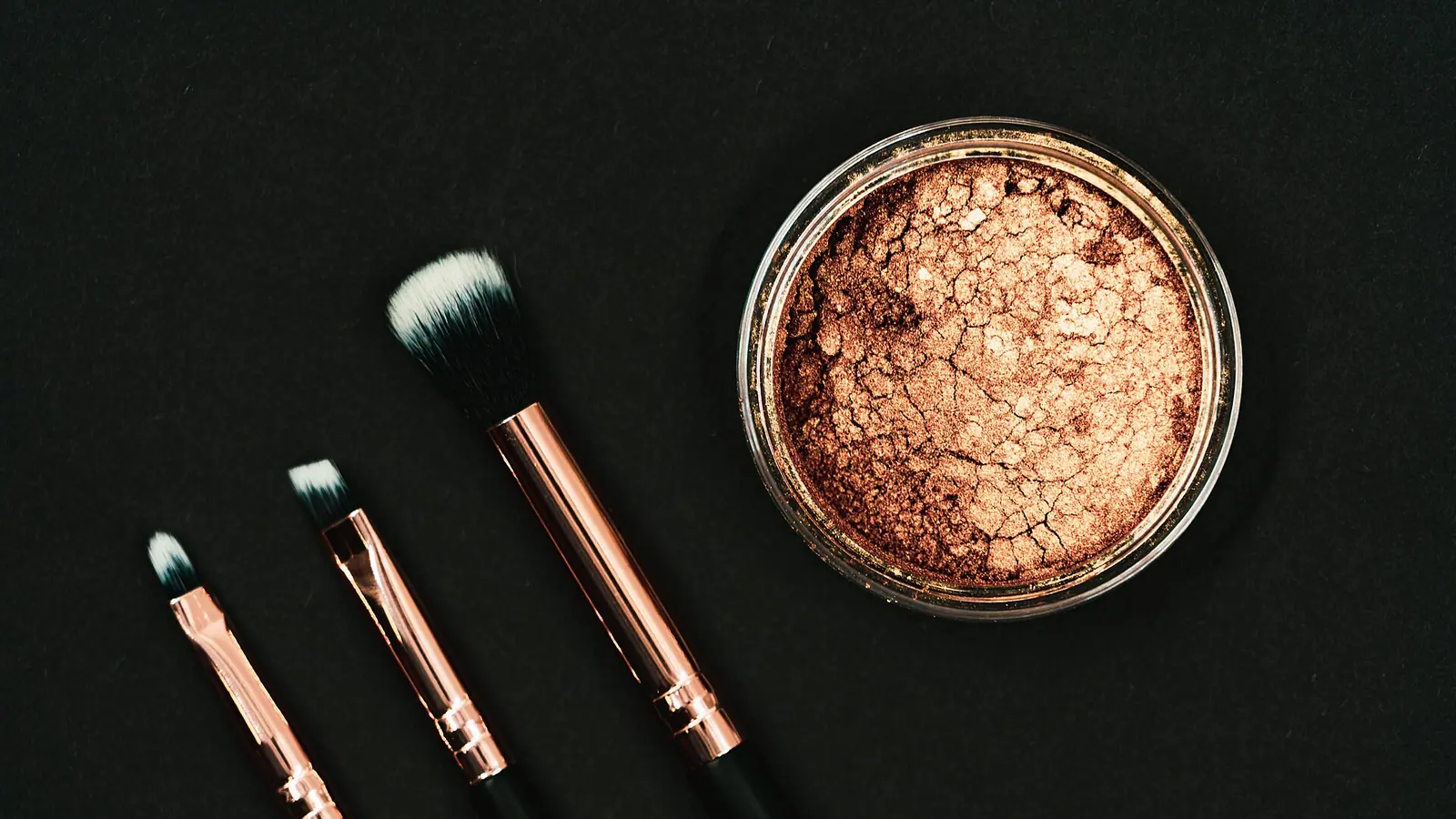

What is fragrance free makeup? Fragrance free makeup is foundation, powder, eye and lip makeup made with no added fragrance, either to scent the product or to mask the smell of its other ingredients. For sensitive skin it’s one of the most useful labels to look for, because fragrance is among the most common causes of allergic reactions to cosmetics.
Makeup for sensitive skin: why fragrance matters
Cosmetic allergies are common. In more than 10,000 patch-tested patients, Warshaw and colleagues traced at least one allergic reaction to a cosmetic in 23.8% of women and 17.8% of men. Up to 4.5% of adults are allergic to fragrance materials, and 20% to 25% of patients patch tested for dermatitis (Dermatitis). A review in Current Opinion in Allergy and Clinical Immunology says cosmetics account for most fragrance-induced contact dermatitis.
Two label details catch people out:
- “Unscented” isn’t fragrance free. The FDA explains that unscented products may contain a masking fragrance. Our guide to fragrance free vs unscented explains the difference.
- Fragrance can hide in one word. In the US, the FDA says it can be listed simply as “Fragrance.” Essential oils and some plant extracts carry the same allergens.
Our fragrance allergy guide lists the individual fragrance chemicals to look for.
Clean makeup for sensitive skin
“Clean” sounds gentle, but there is no standard, scientific basis or regulatory oversight behind it, as researchers writing in Dermatitis point out. They checked the ingredient lists of 1,470 “clean” products sold at Target and Walgreens:
| Potential allergen | Share of “clean” products |
|---|---|
| Any potential allergen | 93.8% |
| Fragrances or botanicals | 82.9% |
| Fragrance, perfume or aroma | 68.2% |
| Linalool | 20.7% |
| Limonene | 19.0% |
Linalool and limonene are fragrance chemicals. Plant-based doesn’t mean allergen free: fragrance allergens regulated in the EU also occur naturally in plants and foods (Dermatitis).
Non toxic makeup: what the label means
“Non toxic” on its own tells you little about allergy. The FDA says the term “organic” isn’t defined in the laws it enforces for cosmetics, that an ingredient’s source doesn’t determine its safety, and that many plants contain toxic or allergenic substances. Every cosmetic, labeled “non toxic” or not, must be safe under labeled or customary use. “Hypoallergenic” is no different: the FDA says it means whatever the company wants it to mean.
If a specific ingredient worries you, the ingredient list is a better guide than the front label. Talc is a common example; see talc free makeup.
Fragrance free foundation
Foundation covers your whole face and stays on all day, so it’s the first product worth switching. Look for “fragrance free” on the label, then check the list for fragrance, parfum, essential oils and preservatives you react to. Test it on a small patch of skin before using it on your whole face, as our patch test guide explains. Our guide to hypoallergenic foundation covers the other allergens behind facial rashes, and non comedogenic makeup covers acne-prone skin.
More in Skincare
What Does Hypoallergenic Mean on a Label? The Legal Answer
What does hypoallergenic mean? In the US it has no legal definition for cosmetics, detergents or jewelry. What the FDA says and which signals count.
Fragrance Free vs Unscented: Why the Difference Matters
Fragrance free vs unscented: unscented products can hide masking fragrance, and fragrance-free ones may still contain scented plant oils. Read the label.
Fragrance Free Moisturizer for Sensitive Skin: How to Choose
How to choose a fragrance free moisturizer for sensitive or eczema-prone skin: ointments vs creams, barrier-repair ingredients and common irritants.
Hypoallergenic Makeup for Sensitive Eyes: What to Look For
Hypoallergenic makeup for sensitive eyes: how to choose mascara, liner and shadow when your eyelids itch or water, and the hygiene habits that matter most.
Sources & further reading
- U.S. Food and Drug Administration — Fragrances in cosmetics: fragrance can be listed simply as "Fragrance"; products labeled unscented may contain masking fragrance; some fragrance ingredients cause allergic reactions.
- U.S. Food and Drug Administration — "Organic" cosmetics: the term isn't defined in the laws FDA enforces for cosmetics; an ingredient's source does not determine its safety, and many plants contain toxic or allergenic substances; all cosmetics must be safe under labeled or customary use.
- U.S. Food and Drug Administration — No Federal standards or definitions govern the term "hypoallergenic"; it means whatever a particular company wants it to mean.
- Dermatitis — Tran and colleagues, 2022: 1,470 'clean' products from Target and Walgreens: 93.8% contained at least one potential allergen; fragrances or botanicals in 82.9%, fragrance/perfume/aroma in 68.2%, linalool in 20.7%, limonene in 19.0%. DOI: 10.1097/DER.0000000000000863.
- Dermatitis — de Groot, 2020: fragrance allergy review: up to 4.5% of adults allergic to fragrance materials, 20% to 25% of patients patch tested for dermatitis. DOI: 10.1097/DER.0000000000000463.
- Journal of the American Academy of Dermatology — Warshaw and colleagues, 2009: of 10,061 patch-tested patients, 23.8% of women and 17.8% of men had at least one allergic reaction traced to a cosmetic. DOI: 10.1016/j.jaad.2008.07.056.
- Current Opinion in Allergy and Clinical Immunology — Norris and Bielory, 2018: reactions to cosmetics are most often due to preservatives, fragrances and dyes; cosmetics make up the majority of fragrance-induced contact dermatitis. DOI: 10.1097/ACI.0000000000000474.
- Dermatitis — Scheman and colleagues, 2014: fragrance allergens regulated in the EU also occur naturally in plants and foods, so people avoiding fragrance can still meet them in natural products. DOI: 10.1097/DER.0000000000000023.