Non Comedogenic Makeup: What the Label Really Means
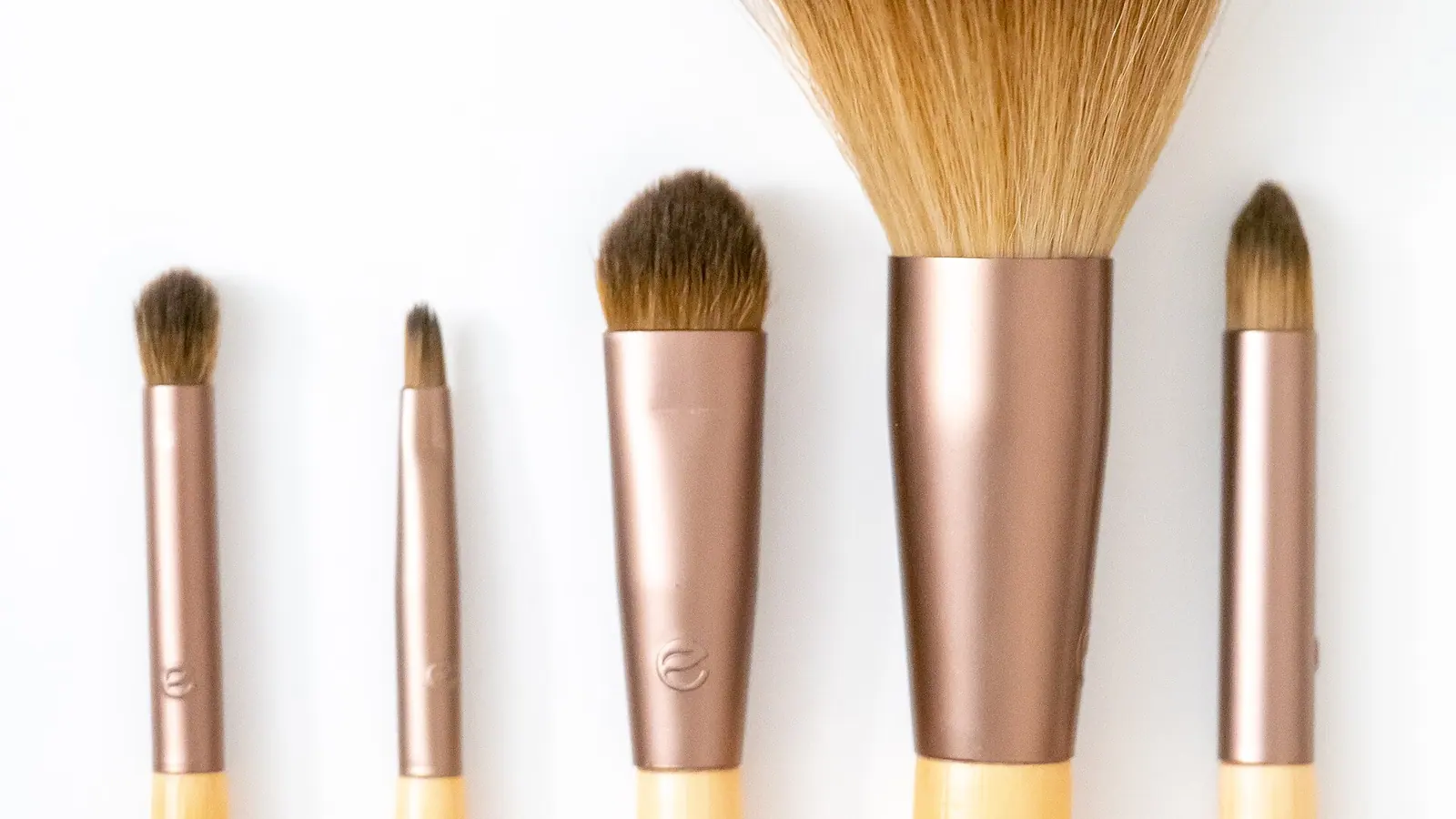

What is non comedogenic makeup? Non comedogenic makeup is foundation, concealer, powder or other makeup that is made or tested so it’s less likely to clog pores. It’s worth choosing if you get blackheads, whiteheads or breakouts, but treat the label as a starting point: it’s a claim from the maker, like “hypoallergenic,” and it says nothing about allergy.
What does non comedogenic mean?
A comedone is a clogged pore. MedlinePlus explains that oil and skin cells can plug a pore; a white top makes it a whitehead and a dark top a blackhead, and bacteria trapped in the plug can lead to pimples. “Non comedogenic” means a product shouldn’t cause those plugs.
The idea dates to 1972, when Kligman and Mills described “acne cosmetica,” acne linked to cosmetics. For years, ingredients were screened on rabbit ears. A 1984 study using that assay in the Journal of the American Academy of Dermatology flagged isopropyl myristate and related esters, acetylated lanolins and the D&C red dyes used in blushers, while its authors admitted the rabbit ear “is not an ideal animal model.”
Later work in people changed the picture. When Draelos and DiNardo tested finished products on human skin, they concluded that products made with “comedogenic” ingredients are not necessarily comedogenic. The amount of an ingredient and the rest of the formula matter, so a finished product test tells you more than an ingredient list. Our guide to what hypoallergenic means compares this claim with the other labels on makeup.
Non comedogenic vs non acnegenic makeup
The two claims are related but separate:
| Claim | What it’s meant to say |
|---|---|
| Non comedogenic | Doesn’t clog pores into blackheads or whiteheads |
| Non acnegenic | Doesn’t trigger acne breakouts, the pimples that can follow a clogged pore |
A review in the Journal of Cosmetic Science describes the two ways these claims are backed up: a cheaper human model developed by Mills and Kligman, or a costlier clinical trial, which is the gold standard. A label that says how the product was tested, or “tested on acne-prone skin,” tells you more than the claim alone.
Non comedogenic foundation and tinted moisturizer
If you’re acne-prone, you don’t have to give up base makeup. In a study of 50 women with acne, those taught how to use skin care and makeup did as well on their acne treatment as those who weren’t, and their quality of life improved, especially on the psychological measures. In a smaller study of 18 women who used makeup designed for acne during treatment, the number of spots went down.
A large case-control study in Dermatology of 910 adults with acne even found that overall cosmetic use was linked to less adult acne, not more, though some individual products were linked to more. The lesson is to watch how your own skin reacts to each product:
- Choose a foundation or tinted moisturizer labeled non comedogenic, ideally tested on acne-prone skin.
- Introduce one new product at a time, so you know which one to blame if spots appear.
- If you’re also sensitive or allergy-prone, check for fragrance; our guide to hypoallergenic foundation covers the allergens to watch.
Non comedogenic primer, blush and setting powder
The same approach applies to the layers around foundation:
- Primer. Look for the non comedogenic claim, since primer sits under everything else all day.
- Blush. Blush was the product in the rabbit ear findings on red dyes, which the authors said may explain breakouts on the cheekbones; the same study found the red pigment carmine wasn’t comedogenic. If breakouts cluster where you put blush, try a different one.
- Setting powder. Our guide to talc free makeup covers what powders are made of.
Clean tools matter too. In a study of used cosmetics in the Journal of Applied Microbiology, beauty sponges carried the most bacteria; 93% had never been cleaned and 64% had been dropped on the floor and used again. Wash sponges and brushes regularly and replace sponges often. For concealer specifically, see our guide to hypoallergenic concealer.
More in Skincare
What Does Hypoallergenic Mean on a Label? The Legal Answer
What does hypoallergenic mean? In the US it has no legal definition for cosmetics, detergents or jewelry. What the FDA says and which signals count.
Fragrance Free vs Unscented: Why the Difference Matters
Fragrance free vs unscented: unscented products can hide masking fragrance, and fragrance-free ones may still contain scented plant oils. Read the label.
Fragrance Free Moisturizer for Sensitive Skin: How to Choose
How to choose a fragrance free moisturizer for sensitive or eczema-prone skin: ointments vs creams, barrier-repair ingredients and common irritants.
Hypoallergenic Makeup for Sensitive Eyes: What to Look For
Hypoallergenic makeup for sensitive eyes: how to choose mascara, liner and shadow when your eyelids itch or water, and the hygiene habits that matter most.
Sources & further reading
- MedlinePlus (U.S. National Library of Medicine) — Acne: pores become blocked with oil and skin cells; the plug is called a comedone, a whitehead if white on top and a blackhead if dark; trapped bacteria can lead to pimples.
- Archives of Dermatology — Kligman and Mills, 1972: the original description of 'acne cosmetica', acne linked to cosmetics. DOI: 10.1001/archderm.1972.01620150029011.
- Journal of the American Academy of Dermatology — Fulton and colleagues, 1984: rabbit ear assay, described as not an ideal model: isopropyl myristate and analogs, acetylated lanolins and D&C red dyes used in blushers tested comedogenic; carmine did not. DOI: 10.1016/s0190-9622(84)80050-x.
- Journal of the American Academy of Dermatology — Draelos and DiNardo, 2006: human assay of finished cosmetics: products made with comedogenic ingredients are not necessarily comedogenic. DOI: 10.1016/j.jaad.2005.11.1058.
- Journal of Cosmetic Science — Weiss and Caswell, 2017: non-comedogenic and non-acnegenic claims are substantiated with a human model developed by Mills and Kligman or with a costlier clinical trial, the gold standard.
- Dermatology — Singh and colleagues, 2013: case-control study of 910 adults with acne: overall cosmetic use was inversely associated with post-adolescent acne, though some individual cosmetics had odds ratios above 1. DOI: 10.1159/000350936.
- Journal of Dermatology — Matsuoka and colleagues, 2006: study of 50 women with acne, 25 instructed in skin care and makeup and 25 not: instruction did not worsen acne treatment, and quality of life improved, especially on psychological measures. DOI: 10.1111/j.1346-8138.2006.00174.x.
- European Journal of Dermatology — Hayashi and colleagues, 2005: 18 women with acne used makeup designed for acne during treatment: acne lesions decreased and quality of life improved.
- Journal of Applied Microbiology — Bashir and Lambert, 2020: 79% to 90% of used cosmetics were contaminated with bacteria; beauty sponges carried the highest loads, 93% had never been cleaned and 64% had been dropped on the floor. DOI: 10.1111/jam.14479.