Heat Rash: Symptoms, Treatment and How to Get Rid of It
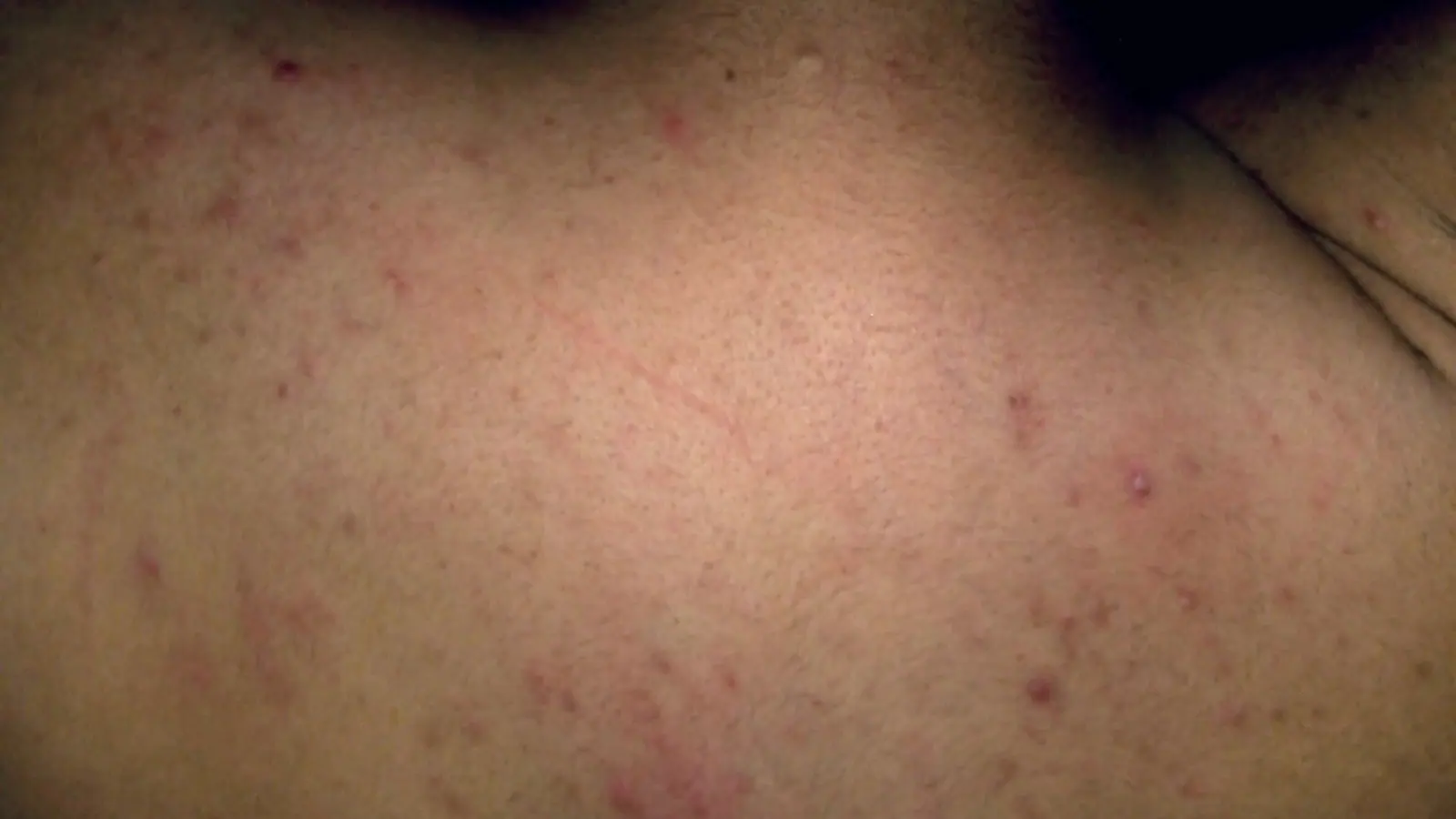

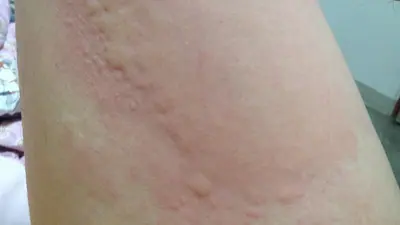
What is heat rash? Heat rash is a rash of tiny red bumps or clear blisters that appears when you sweat a lot in hot, humid weather and the sweat can’t get out. Doctors call it miliaria; many people call it prickly heat. It isn’t an allergy or an infection, and it usually clears within a few days once the skin cools down and stays dry.
The cause is mechanical. Sweat ducts get plugged, and sweat leaks into the skin around them. Research in the Journal of the American Academy of Dermatology showed that a sticky substance made by a common skin bacterium, Staphylococcus epidermidis, can form that plug when skin is kept hot and covered.
Heat rash symptoms
According to the National Institute for Occupational Safety and Health, heat rash looks like red clusters of pimples or small blisters. It usually appears where sweat is trapped:
- the neck and upper chest
- the groin and under the breasts
- the elbow creases and other skin folds
- under backpacks, straps, bandages and tight or synthetic clothing
There are three forms, depending on how deep the blockage is:
| Type | What it looks like | Who gets it |
|---|---|---|
| Miliaria crystallina | Clear, dewdrop-like blisters that don’t itch much | Mostly newborns, in hot and humid climates (review) |
| Miliaria rubra (prickly heat) | Red, itchy or prickling bumps | The most common form in adults and children |
| Miliaria profunda | Firm, skin-colored bumps, little itch | Uncommon, but can be disabling (JAAD) |
Sweat rash
“Sweat rash” is another everyday name for heat rash. NIOSH describes heat rash as skin irritation caused by excessive sweating during hot, humid weather (NIOSH), so a sweat rash in skin folds, under a waistband or beneath a sports bra is usually the same blocked-duct problem, and it’s treated the same way.
Prickly heat
Prickly heat is the everyday name for miliaria rubra, the red, stinging kind. The name comes from the pins-and-needles feeling when you start to sweat again. It’s the form most people mean when they say heat rash, and it’s the one most likely to itch at night in a warm bedroom.
Heat rash adult
Heat rash is often thought of as a baby problem, but adults get it whenever they sweat hard and can’t cool off: during heat waves, in hot jobs, on long hikes, in bed under heavy covers or with a fever. In one case series from a hot underground mine, 25 adult miners developed miliaria rubra, and it took 3 to 4 weeks of working in air conditioning for the rash to clear (Occupational Medicine). The same report suggests people with asthma and other allergic conditions may be more prone to it.
Heat rash on face
Heat rash on the face is less common than on the neck and chest, because the face is usually uncovered. It shows up under face masks, helmets, hats with tight bands and thick sunscreen or makeup on hot days. Look for tiny, uniform bumps where something sat on the skin. Acne, by contrast, has bigger spots of different sizes, and contact dermatitis on the face is a patch of itchy, dry or scaly skin where a product was applied.
Heat rash on legs
Heat rash on the legs is typical when legs stay hot and damp: tight leggings, compression socks, long boots, or work clothing that gets wet. In the miners’ series, 88% of cases were between the ankle and the knee, where boots and wet trousers trapped sweat (Occupational Medicine).
Heat rash vs hives
| Heat rash | Hives | |
|---|---|---|
| Cause | Blocked sweat ducts | Mast cells releasing histamine |
| Bumps | Tiny, pinhead size, all alike | Raised welts of any size, often merging |
| How long each spot lasts | Stays in place for days until the skin cools | Each welt fades within 24 hours, new ones appear elsewhere |
| Where | Covered, sweaty areas and skin folds | Anywhere |
| What helps | Cooling and drying the skin | Antihistamines |
Read our full guide to hives if your bumps come and go within hours.
Heat hives
Heat hives are a different thing from heat rash, and so are summer bug bites that swell up badly, which our skeeter syndrome guide covers. Some people get small, itchy or stinging welts within minutes of sweating, from exercise, a hot shower, spicy food or stress. Doctors call this cholinergic urticaria, a type of hives triggered by the body warming up and sweating (American Journal of Clinical Dermatology). The welts are short-lived, like other hives, and antihistamines help; a doctor can confirm it with a provocation test that makes you sweat. Our cholinergic urticaria guide covers the warning signs and treatment.
Heat rash treatment
The treatment is to remove the heat and the trapped sweat. NIOSH advises moving to a cooler, less humid place, keeping the rash dry, and using powder for comfort rather than ointments or creams (NIOSH).
- Cool the skin: air conditioning, a fan, a cool shower.
- Let the skin breathe: loose cotton or other breathable clothes, no tight straps.
- Skip heavy creams and ointments on the rash. Thick, greasy products can block sweat ducts further.
- Don’t scratch. Broken skin can get infected.
- Choose plain products while the skin heals; our guide to hypoallergenic body wash explains what to look for.
See a doctor if the bumps fill with pus, the skin gets hot and painful, you have a fever, or the rash hasn’t improved after 3 or 4 days of staying cool. Watch for signs of heat illness too: heavy sweating with dizziness, nausea, headache or confusion needs urgent care.
Heat rash cream
There’s no cream that treats heat rash itself. NIOSH advises against ointments and creams on the rash and suggests powder for comfort instead (NIOSH), because thick products hold sweat in. If a heat rash itches badly or doesn’t clear after a few cool days, ask a doctor or pharmacist before trying a medicated cream.
How to get rid of heat rash quickly
The fastest way to get rid of heat rash is to stop sweating into covered skin: cool down, take off tight or damp clothes and keep the area dry. Most heat rash then fades within a few days. Mild forms such as miliaria crystallina clear on their own (review). If you keep getting it, plan around the heat: exercise in the cooler hours, sleep in a cooler room with light bedding (our guide to bamboo sheets compares sheet fabrics), and change out of sweaty clothes quickly.
More in Guides & situations
Hives: What Causes Them and How to Get Rid of Hives
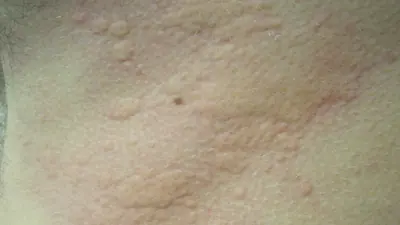
Hives are itchy welts that come and go within hours. See what hives look like, what causes them, which antihistamine helps and when chronic hives need a doctor.
Poison Ivy Rash: Stages, Treatment and How Long It Lasts
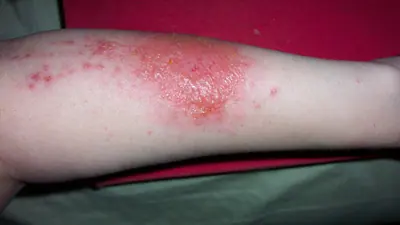
A poison ivy rash is an allergy to urushiol oil. See what poison ivy looks like, the rash stages, if it's contagious, how long it lasts and treatment.
Dermatographia: Skin Writing Causes and Treatment
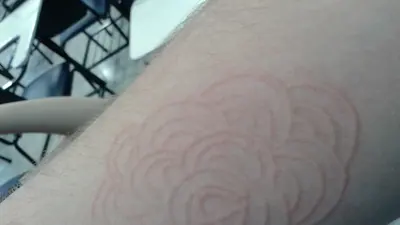
Dermatographia makes itchy welts rise wherever skin is scratched or rubbed. Learn what causes dermatographia, how skin writing is tested and how it's treated.
Stress Hives: What a Stress Rash Looks Like and Treatment
Stress hives are itchy welts that flare with stress or anxiety. See a stress rash on the face and neck, why it happens and how to get rid of stress hives.
Sources & further reading
- National Institute for Occupational Safety and Health (CDC) — Heat-related illnesses: heat rash is skin irritation from excessive sweating in hot, humid weather; red clusters of pimples or small blisters on the neck, upper chest, groin, under the breasts and in elbow creases; move to a cooler, less humid place, keep the area dry, powder for comfort, no ointments or creams.
- Journal of the American Academy of Dermatology — Mowad and colleagues, 1995: experiment under occlusive dressings and heat: only Staphylococcus epidermidis strains that make a sticky polysaccharide induced miliaria, and that substance blocks sweat from reaching the skin surface; such strains were common in 68 people. DOI: 10.1016/0190-9622(95)91809-4.
- Occupational Medicine — Donoghue, 2000: 25 underground miners with miliaria rubra in a hot mine, 88% between ankle and knee; 3 to 4 weeks of work in air conditioning were needed to clear it; people with asthma or other atopy may be at higher risk. DOI: 10.1093/occmed/50.6.430.
- Clinical and Experimental Dermatology — Palaniappan and colleagues, 2023: review of miliaria crystallina, the mildest sweat retention rash: clusters of dewdrop-like blisters, more common in newborns and in hot, humid climates, and self-limiting. DOI: 10.1093/ced/llad032.
- Journal of the American Academy of Dermatology — Kirk and colleagues, 1996: miliaria profunda, the deep and uncommon form of heat rash, can be disabling; case report and review of features, causes and treatment. DOI: 10.1016/s0190-9622(96)90103-6.
- American Journal of Clinical Dermatology — Fukunaga and colleagues, 2023: review of cholinergic urticaria: itchy or stinging small wheals that appear together with sweating; causes include histamine, sweat allergy, blocked sweat pores and reduced sweating. DOI: 10.1007/s40257-022-00728-6.