Skeeter Syndrome: Mosquito Bite Allergy and Treatment
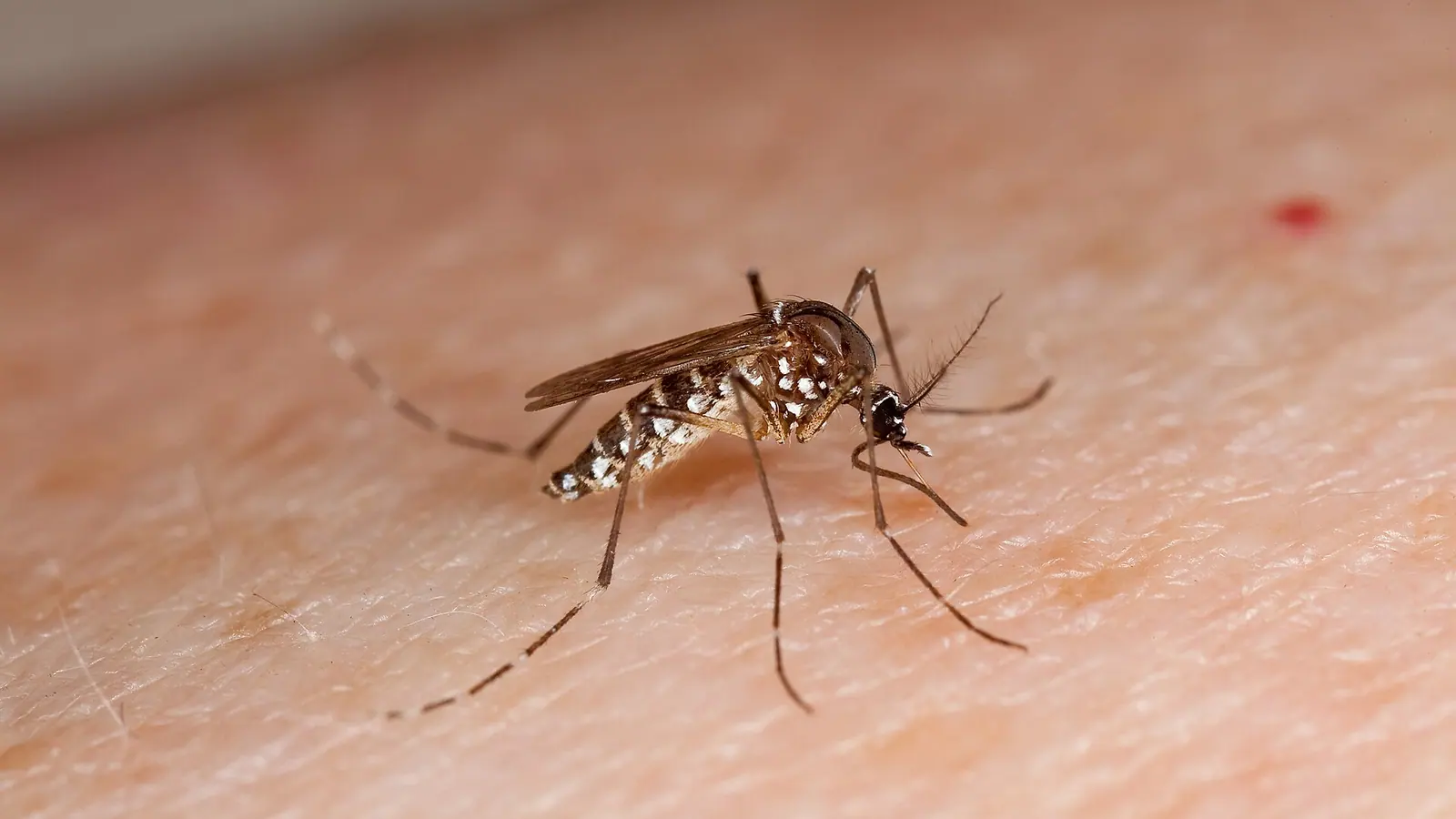

What is skeeter syndrome? Skeeter syndrome is a large local allergic reaction to a mosquito bite. Instead of a small itchy bump, the skin around the bite becomes hard, red, swollen and warm over an area of roughly 5 to 20 cm, often with a blister in the middle. In a clinic series of 15 children, the average age was about 4, most were boys, and most had it happen again with later bites (Postępy Dermatologii i Alergologii). It looks alarming, but it’s a reaction to mosquito saliva, not an infection.
Mosquito bite allergy
Every mosquito bite is a small immune reaction. When a mosquito feeds, it injects saliva, and proteins in that saliva, along with histamine, cause the familiar itchy wheal (Frontiers in Immunology). In mosquito allergy the response is stronger: allergy antibodies (IgE and IgG) and immune cells react to the salivary proteins, and the result can be a large local swelling or, rarely, a reaction elsewhere in the body (Current Opinion in Allergy and Clinical Immunology).
Children with big mosquito reactions are more likely to have other allergic conditions. In a study of 206 children, 87% of those with large or long-lasting reactions had eczema, asthma or another atopic disease, compared with 53% of children with ordinary bites (Allergy and Asthma Proceedings). Some children may outgrow it, since natural desensitization can happen in childhood or with long exposure (Current Opinion in Allergy and Clinical Immunology).
Allergic reaction to mosquito bites
Signs of an allergic reaction to mosquito bites include:
- a hot, hard, red swelling much bigger than the bite, sometimes making a whole cheek, hand or lower leg puffy;
- a blister in the center, seen in about three-quarters of children in one series (Postępy Dermatologii i Alergologii);
- itching, and sometimes tenderness or a low fever.
Rarely, a mosquito bite causes a reaction beyond the skin (Frontiers in Immunology). Call 911 if there’s trouble breathing, wheezing, throat tightness, or swelling of the face or mouth after any bite or sting (MedlinePlus).
Mosquito bite swelling
Swelling that spreads over several hours after a bite can look like cellulitis, a skin infection. In the children’s series, a quarter had cellulitis-like swelling without a blister (Postępy Dermatologii i Alergologii). A blister in the middle of a large swelling, together with a recent bite and the same reaction after past bites, points to skeeter syndrome (Postępy Dermatologii i Alergologii). Over the next several days, watch for signs of infection such as increasing redness, swelling or pain, and see a doctor if they appear (MedlinePlus).
Adult skeeter syndrome
Large reactions are most common in young children, but adults can have them too: a trial of cetirizine, for example, was done in adults with strong mosquito bite reactions (Clinical and Experimental Allergy). A new, unusually strong reaction in an adult is worth mentioning to a doctor: people with blood cancers, HIV and some other conditions can react more strongly to mosquito bites (Frontiers in Immunology). A very rare form, linked to chronic Epstein-Barr virus infection and seen mainly in children and teens in East Asia, causes blisters, ulcers and fever after bites (Wounds).
Skeeter syndrome treatment
Treatment eases the swelling and itch while the reaction runs its course, which took 7 to 14 days in the children’s series (Postępy Dermatologii i Alergologii). A review lists second-generation (non-drowsy) antihistamines and topical corticosteroids as the usual treatment (Frontiers in Immunology). Ask a doctor or pharmacist about the dose, especially for a young child.
Antihistamines may work best before bites. In a placebo-controlled trial in mosquito-sensitive adults, taking cetirizine beforehand cut the size of the first wheal by about 40%, cut itching, and also shrank the bite lesions a day later (Clinical and Experimental Allergy). If your child reacts badly, ask your pediatrician whether a non-drowsy antihistamine before outdoor time makes sense.
Blood tests don’t help much: mosquito-specific IgE was positive in under 10% of children whether their reactions were large or ordinary (Allergy and Asthma Proceedings). Diagnosis rests on the history and the look of the reaction. For hives that come and go without bites, see our hives guide; for long-term allergy treatment in general, see allergy shots.
Reduce mosquito bite swelling
MedlinePlus gives these first-aid steps for bites and stings (MedlinePlus):
- Wash the area well with soap and water.
- Put ice wrapped in a washcloth on the bite for 10 minutes, then off for 10 minutes, and repeat.
- If needed, take an antihistamine or use a cream that reduces itching.
How to stop mosquito bites from itching
The same steps stop most mosquito bites from itching: wash the bite, cool it with wrapped ice, and use an anti-itch cream or an antihistamine if needed (MedlinePlus). Scratching breaks the skin and can let an infection in. Taking cetirizine before going outdoors reduced itching from bites in mosquito-sensitive adults (Clinical and Experimental Allergy). For itch that isn’t from bites, our itchy skin guide covers other causes.
Mosquito bite allergy treatment
Treating a mosquito bite allergy means the non-drowsy antihistamines and steroid creams described above, but the best treatment is fewer bites (Frontiers in Immunology). Wear protective clothing and use an insect repellent (MedlinePlus). The EPA’s advice: read the label, apply only to exposed skin or clothing, keep it away from the eyes and mouth, and for children, put it on your own hands first and then on the child. EPA labels don’t restrict DEET by age, but some oil of lemon eucalyptus products aren’t for children under 3 (EPA). Bees and wasps are a different allergy with different risks; our bee sting allergy guide covers them, and heat rash explains another common summer rash.
More in Guides & situations
Hives: What Causes Them and How to Get Rid of Hives
Hives are itchy welts that come and go within hours. See what hives look like, what causes them, which antihistamine helps and when chronic hives need a doctor.
Heat Rash: Symptoms, Treatment and How to Get Rid of It
Heat rash (prickly heat) is blocked sweat ducts, not an allergy. See heat rash symptoms, heat rash vs hives, treatment for adults and how to get rid of it fast.
Poison Ivy Rash: Stages, Treatment and How Long It Lasts
A poison ivy rash is an allergy to urushiol oil. See what poison ivy looks like, the rash stages, if it's contagious, how long it lasts and treatment.
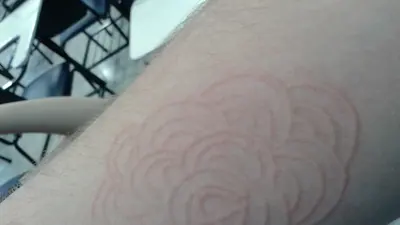
Dermatographia: Skin Writing Causes and Treatment
Dermatographia makes itchy welts rise wherever skin is scratched or rubbed. Learn what causes dermatographia, how skin writing is tested and how it's treated.
Sources & further reading
- Postępy Dermatologii i Alergologii — Karaman, 2025: 15 children with skeeter syndrome, mean age 4.4: induration 5 to 20 cm, with a central blister in 73%; 87% had recurrences; half had other atopic disease; cellulitis-like swelling in 27%; treatment lasted 7 to 14 days; no immunodeficiency found. DOI: 10.5114/ada.2025.155512.
- Frontiers in Immunology — Vander Does and colleagues, 2022: review: reactions range from local wheals and papules to rare systemic reactions; mosquito saliva and histamine drive the itch; people with hematologic cancers, HIV and other conditions can react strongly; prevention with barriers and repellents; treatment with second-generation antihistamines and topical corticosteroids. DOI: 10.3389/fimmu.2022.1024559.
- Current Opinion in Allergy and Clinical Immunology — Peng and Simons, 2007: review: allergic reactions to mosquito bites involve IgE, IgG and T-cell responses to salivary allergens; natural desensitization may occur during childhood or long exposure; mosquito allergy is underdiagnosed because of a lack of test extracts. DOI: 10.1097/ACI.0b013e328259c313.
- Clinical and Experimental Allergy — Reunala and colleagues, 1993: double-blind placebo-controlled trial, 18 mosquito-sensitive adults: cetirizine 10 mg taken beforehand reduced the 15-minute wheal (5.9 vs 10.1 mm) and itch, and also the 24-hour bite lesions. DOI: 10.1111/j.1365-2222.1993.tb02487.x.
- Allergy and Asthma Proceedings — Dolu and colleagues, 2026: 206 children tested: atopic disease more common in those with large or prolonged mosquito reactions (87.0% vs 52.7%); mosquito-specific IgE was positive in under 10% of both groups and did not track severity. DOI: 10.2500/aap.2026.47.250103.
- Wounds — Wang and colleagues, 2023: severe mosquito bite allergy linked to chronic Epstein-Barr virus infection: rare, mainly children and teens in East Asia, with blisters, ulcers, scarring and fever after bites. DOI: 10.25270/wnds/23067.
- MedlinePlus (U.S. National Library of Medicine) — Insect bites and stings: most bites are harmless, mosquito bites usually itch; prevent bites with repellent and protective clothing.
- U.S. Environmental Protection Agency — Using insect repellents safely and effectively: read and follow the label, apply only to exposed skin or clothing, not near eyes or mouth; for children, apply to your own hands first; DEET has no age restriction on EPA labels; some oil of lemon eucalyptus products are not for children under 3.
- MedlinePlus (U.S. National Library of Medicine) — Insect bites and stings, first aid: wash the site with soap and water; ice wrapped in a washcloth 10 minutes on and 10 off; antihistamine or anti-itch cream if needed; watch for signs of infection over the next several days; call 911 for breathing trouble or swelling of the face or mouth.