Itchy Skin: Causes of Itching With No Rash and Relief
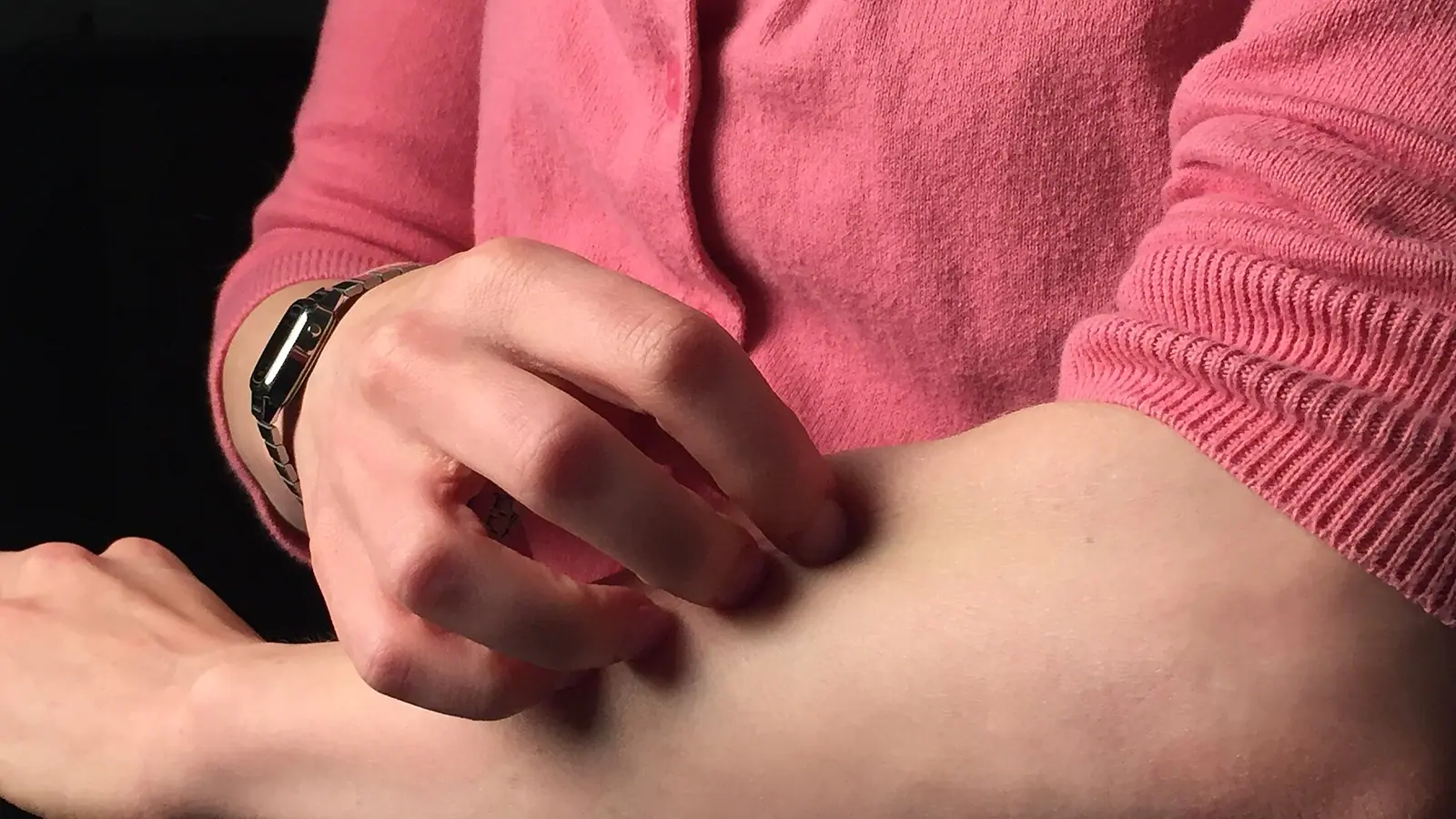

Why is my skin so itchy? The most common reason for itchy skin is dry skin, especially in winter, after hot showers and as we get older. Itchy skin with no rash can also come from a medicine you take or, less often, from a problem inside the body such as liver, kidney or thyroid disease. Most itching gets better with moisturizer and a few changes to how you wash, but itching that’s severe, lasts weeks or covers your whole body deserves a doctor’s visit.
Itch is one of the most common reasons people see a doctor about their skin. In a survey of 2,540 adults, 22% had had itching lasting six weeks or longer at some point, and 13.5% had it at the time of the survey. Doctors call it pruritus, and “chronic” when it lasts more than six weeks.
Itchy skin no rash
Itching without a visible rash usually points to one of three things, according to MedlinePlus and a review in the Journal of the American Academy of Dermatology:
- Dry skin. The skin looks normal or slightly rough and flaky. MedlinePlus calls dry skin a common cause of itching, especially in the dry winter months.
- A medicine. Many drugs can cause itch with or without a rash, among them opioid painkillers, some antibiotics and some blood pressure medicines.
- Something inside the body. Kidney disease, liver disease, thyroid or other hormone problems, iron deficiency or, rarely, a cancer.
Scratching often leaves red marks or scratches even when the cause isn’t in the skin, so “no rash” really means no rash that was there before the scratching.
Itching all over body no rash
Itching all over the body with no rash is less likely to be dry skin alone. MedlinePlus advises getting it checked as soon as possible if you itch all over, if it keeps coming back without a clear cause, or if you have hives that keep returning, because unexplained itching can be a sign of a disease that needs treatment.
Itchy skin causes
| Cause | Clues |
|---|---|
| Dry skin | Worse in winter and after long hot showers; rough, flaky skin |
| Eczema (including dyshidrotic eczema) or contact dermatitis | Red, scaly or blistering patches; often a new product or metal |
| Hives | Raised welts that come and go within a day |
| Insect bites, stings or lice | Small bumps, often where skin was uncovered or on the scalp |
| Medicines | Itching started after a new drug; opioids, some antibiotics, some heart and blood pressure drugs |
| Liver or kidney disease, thyroid or other hormone problems, iron deficiency | Itch all over; yellow skin or eyes with liver disease |
| Pregnancy | Itching during pregnancy; tell your doctor or midwife |
Sources: MedlinePlus, JAAD review, Drugs & Aging.
If the itch started after a new soap, detergent or fragrance, our guide to fragrance allergy explains how to track down the ingredient.
Itchy skin and liver
Liver disease can cause itching all over the body. MedlinePlus lists liver disease with jaundice and hepatitis among the causes of generalized itching. A JAAD review recommends liver tests as part of the first blood work for anyone with unexplained itch.
Itchy skin in elderly
Older adults itch more often. A review in Drugs & Aging lists dry skin, aging of the immune system and nerves, kidney disease, diabetes and mood disorders as causes, and warns that taking several medicines at once is a common culprit, naming thiazide water pills and calcium channel blockers. Don’t stop a prescribed medicine on your own: ask the prescriber whether it could be the cause.
Itchy skin at night
Many people notice the itch most at bedtime. A review on nocturnal itch explains that the body’s daily rhythm changes itch signals, skin temperature and how much water the skin loses at night, so itch from almost any cause can feel worse then, and it costs sleep.
To make nights easier, MedlinePlus suggests cool, light, loose bedclothes and keeping fingernails short. A cool bedroom and fragrance-free bedding help too; our guide to hypoallergenic sheets covers fabrics that stay gentle on sensitive skin.
Unexplained itching all over body at night
Night itch all over the body with no rash and no obvious dry skin is a reason to see a doctor, especially if you have other symptoms you can’t explain (MedlinePlus). The first step is usually simple blood work: a blood count, liver, kidney and thyroid tests and a diabetes check, as the JAAD review recommends.
How to stop itching
These steps from MedlinePlus work for most itching while you find the cause:
- Don’t scratch or rub. Scratching feeds the itch and damages the skin.
- Cool it down. A cold compress on the itchy area calms it fast. Avoid long exposure to heat and humidity.
- Shower lukewarm and short, with little soap, and rinse well.
- Moisturize right after bathing, and daily in dry winter months. A plain, fragrance-free moisturizer is the safest choice for itchy skin.
- Wear soft, loose clothes and avoid wool against itchy skin.
Home remedies for itchy skin
An oatmeal or cornstarch bath can soothe widespread itching, according to MedlinePlus. Keeping busy during the day and tired enough to sleep at night also helps. Avoid scented oils and “natural” essential-oil remedies on itchy skin: fragrance ingredients are a common cause of skin allergy, as our fragrance allergy guide explains.
Anti itch cream
Over-the-counter hydrocortisone cream can be tried on itchy areas (MedlinePlus). For itch from dry skin, moisturizer and cooling are the better fix. Follow the label, and ask a doctor before using it for more than a short time.
Oral antihistamines ease itch from hives and allergies. Diphenhydramine works but causes drowsiness (MedlinePlus), and our hives guide explains why non-drowsy antihistamines are the usual first choice.
Antihistamine cream
Antihistamine creams can cause a rash of their own. The FDA received reports of allergic contact dermatitis from doxepin cream, a prescription antihistamine cream for itch, more often when it was used longer than the recommended 8 days, and the authors advise considering it when itch fails to improve or gets worse (JAAD). Over-the-counter creams often contain diphenhydramine, and if you also take diphenhydramine by mouth, the FDA requires the pill’s label to warn against using it with any other diphenhydramine product, including ones used on the skin (Federal Register). For hives, the usual first treatment is a non-drowsy antihistamine taken by mouth, as our hives guide explains. If an itchy patch gets worse after you start any cream, stop it and see a doctor.
Itchy skin treatment
When itching lasts more than six weeks, the European guideline on chronic pruritus recommends a careful search for the cause first, then treating that cause alongside step-by-step itch treatment: skin care and creams first, then medicines taken by mouth if needed. For severe chronic itch, doctors may use medicines that calm overactive itch nerves, such as gabapentin or certain antidepressants (Drugs & Aging).
See a doctor if your itching:
- is severe or doesn’t go away,
- covers your whole body or can’t be easily explained,
- comes with other symptoms you can’t explain, such as yellow skin or eyes.
Itching with hives plus swelling of the lips, tongue or throat, or trouble breathing, is an emergency: call 911 (MedlinePlus).
More in Guides & situations
Hives: What Causes Them and How to Get Rid of Hives
Hives are itchy welts that come and go within hours. See what hives look like, what causes them, which antihistamine helps and when chronic hives need a doctor.

Heat Rash: Symptoms, Treatment and How to Get Rid of It
Heat rash (prickly heat) is blocked sweat ducts, not an allergy. See heat rash symptoms, heat rash vs hives, treatment for adults and how to get rid of it fast.
Poison Ivy Rash: Stages, Treatment and How Long It Lasts
A poison ivy rash is an allergy to urushiol oil. See what poison ivy looks like, the rash stages, if it's contagious, how long it lasts and treatment.

Dermatographia: Skin Writing Causes and Treatment
Dermatographia makes itchy welts rise wherever skin is scratched or rubbed. Learn what causes dermatographia, how skin writing is tested and how it's treated.
Sources & further reading
- Acta Dermato-Venereologica — Weisshaar and colleagues, 2025: European S2k guideline on chronic pruritus: about one in five people has chronic itch at some point, with a 12-month incidence of 7%; it needs a careful diagnostic workup for causes and comorbidities; treatment combines treating the cause with stepwise topical and systemic therapy. DOI: 10.2340/actadv.v105.44220.
- Acta Dermato-Venereologica — Matterne and colleagues, 2011: population survey of 2,540 adults in Germany: chronic itch (more than 6 weeks) point prevalence 13.5%, 12-month prevalence 16.4% and lifetime prevalence 22%. DOI: 10.2340/00015555-1159.
- Journal of the American Academy of Dermatology — Roh and colleagues, 2022: itch can come from skin disease or from kidney, liver and gallbladder, hormone, nerve or psychological causes and, rarely, cancer; first tests are a blood count with differential, liver, kidney and thyroid tests and diabetes screening; older adults are more often affected. DOI: 10.1016/j.jaad.2021.07.076.
- Acta Dermato-Venereologica — Patel and colleagues, 2007: itching gets worse at night in many skin and whole-body diseases, likely from daily rhythms in itch signals and changes in skin temperature and barrier function, and it disturbs sleep. DOI: 10.2340/00015555-0280.
- Drugs & Aging — Valdes-Rodriguez and colleagues, 2015: chronic itch in older adults: dry skin, aging immune and nerve changes, kidney disease, diabetes, depression and anxiety; many medicines can cause itch with or without a rash, for example thiazide diuretics and calcium channel blockers; moisturizing and barrier repair come first. DOI: 10.1007/s40266-015-0246-0.
- MedlinePlus (U.S. National Library of Medicine) — Itching: causes include dry skin, aging skin, eczema, contact irritants and hives; generalized itching can come from liver disease, kidney disease, hepatitis, iron deficiency anemia, pregnancy and medicines; home care and when to see a provider.
- MedlinePlus (U.S. National Library of Medicine) — Hives: call 911 for fainting, shortness of breath, throat tightness, tongue or face swelling, or wheezing; antihistamines; avoid hot baths and tight clothing.
- Journal of the American Academy of Dermatology — Bonnel and colleagues, 2003: 26 postmarketing reports to the FDA of allergic contact dermatitis from doxepin 5% cream, an antihistamine cream for itch; more common when used longer than the recommended 8 days; consider it when itch fails to improve or worsens. DOI: 10.1067/mjd.2003.46.
- Federal Register (U.S. Food and Drug Administration) — Final rule, 2002: oral over-the-counter diphenhydramine products must warn not to use them with any other product containing diphenhydramine, including products used on the skin.