Allergy Shots: How They Work, Side Effects and Results
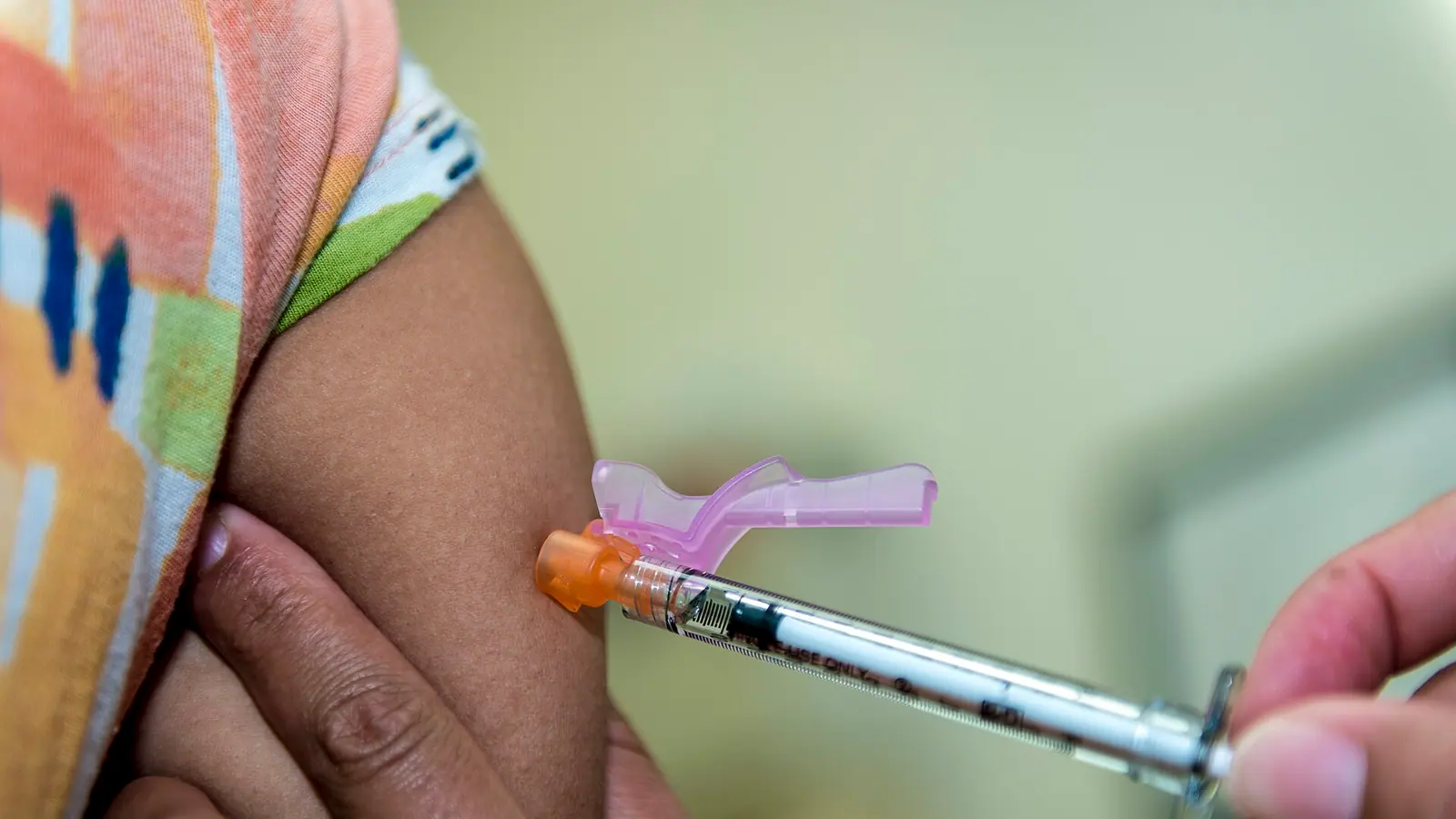

What are allergy shots? Allergy shots are injections of tiny, gradually increasing amounts of the things you’re allergic to, such as pollen, dust mites, mold, pet dander or insect venom. Over months, they train your immune system to react less. Doctors call this allergen immunotherapy. It’s the only common allergy treatment that changes the allergy itself rather than just easing symptoms, and the benefit can last for years after you stop.
The FDA licenses the allergen extracts used, made from natural sources such as pollens, molds, insects, venoms and animal hair, to treat hay fever, allergic eye symptoms and insect venom allergy.
How do allergy shots work?
Treatment has two phases:
- Build-up. After allergy testing confirms what you react to, you get regular shots, each a little stronger than the last (FDA). This takes a few months.
- Maintenance. Once you reach the target dose, shots are spaced further apart and continue for several years (3 to 4 years in the trial below).
Each shot goes under the skin of the upper arm, and you stay in the office for a while afterwards so staff can treat a reaction right away. Over time the immune system shifts from an allergic response toward tolerance. In a randomized trial in The New England Journal of Medicine, people who had 3 to 4 years of grass pollen shots kept low symptom scores for 3 more years after stopping, and their skin showed lasting changes in how immune cells reacted to the pollen.
Allergy shots cost
The cost of allergy shots depends mostly on how many visits you need and on your insurance. Treatment starts with allergy testing, then regular build-up shots for a few months (FDA), then maintenance shots for several years: 3 to 4 years in the NEJM trial. We found no official price range for allergy shots, because it depends on the plan and the region. Before you start, ask the allergist’s office for the expected number of visits and check with your insurer what’s covered.
Do allergy shots work?
For hay fever, yes. A Cochrane review of 51 randomized trials with 2,871 people found that allergy shots reduced both symptoms and the amount of medicine people needed compared with placebo. They’re used when symptoms stay troublesome despite medicines, or when someone wants to rely less on daily pills and sprays.
They don’t work for everything:
| Allergy | Allergy shots? |
|---|---|
| Pollen (trees, grass, ragweed) | Yes, the best-studied use |
| Dust mites, mold | Yes |
| Insect venom (bees, wasps) | Yes, venom extracts are licensed for it (FDA); see our bee sting allergy guide |
| Cats and dogs | Sometimes; results are mixed (see below) |
| Food allergy | No. Injected food extracts are only used for testing (FDA) |
| Hives | No; hives aren’t treated with allergen shots (see chronic urticaria for what is used) |
| Eczema | Not a standard use; ask an allergist |
Allergy shots for seasonal allergies
Seasonal allergies are where allergy shots have the strongest evidence, from the Cochrane review above. If you have spring allergies, ragweed allergy or grass allergy, ask an allergist whether your symptoms and test results make you a candidate. Most people try medicines first; our allergy nasal spray guide explains which spray works best for hay fever.
Allergy shots for cat allergies
Allergy shots for cat allergies are offered, but the evidence is thinner than for pollen. A review in Current Opinion in Allergy and Clinical Immunology found only a limited number of high-quality studies, with mixed results for nose, eye and asthma symptoms. For most people with pet allergy, reducing exposure still matters most; our guide on how to reduce pet allergies covers what works at home.
Allergy shots side effects
- Local reactions are common: redness, swelling and itching at the injection site, usually gone within a day.
- Systemic reactions (sneezing, hives, wheezing, throat tightness, a drop in blood pressure) are uncommon. In U.S. surveillance of 23.3 million injection visits, the rate was about 0.1%, very severe reactions occurred about once per million injections, and there was one confirmed death in five years (JACI: In Practice).
- In the Cochrane trials, epinephrine was needed after 0.13% of active injections, with no deaths.
That’s why shots are given only where a reaction can be treated immediately, and why you wait after each one. Tell the clinic before each shot if you’re sick, your asthma is acting up, or you’ve started a new medicine.
Sublingual immunotherapy
Sublingual immunotherapy (SLIT) puts the allergen under the tongue as a tablet instead of an injection. The FDA licenses four sublingual tablets for allergic rhinitis: two for grass pollen, one for ragweed and one for dust mites.
How does it compare? In a meta-analysis of adults with allergic rhinitis, the trials that compared shots and SLIT directly found no significant differences, and both worked better than placebo. The catch is choice: tablets exist only for those few allergens, while shots are made from a much wider range of extracts.
Oral immunotherapy
Oral immunotherapy (OIT) is a different treatment for food allergy. According to the FDA, a person allergic to a food eats slowly increasing amounts of it, under medical supervision, to lower the risk of reactions to accidental exposure. It doesn’t cure the allergy, and it’s done only through an allergist. Our peanut allergy guide covers the basics.
More in Guides & situations
Hives: What Causes Them and How to Get Rid of Hives
Hives are itchy welts that come and go within hours. See what hives look like, what causes them, which antihistamine helps and when chronic hives need a doctor.
Heat Rash: Symptoms, Treatment and How to Get Rid of It
Heat rash (prickly heat) is blocked sweat ducts, not an allergy. See heat rash symptoms, heat rash vs hives, treatment for adults and how to get rid of it fast.
Poison Ivy Rash: Stages, Treatment and How Long It Lasts
A poison ivy rash is an allergy to urushiol oil. See what poison ivy looks like, the rash stages, if it's contagious, how long it lasts and treatment.
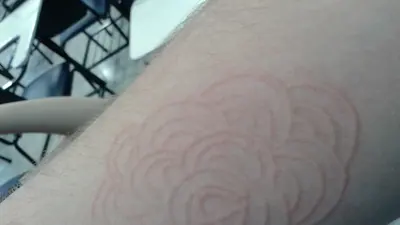
Dermatographia: Skin Writing Causes and Treatment
Dermatographia makes itchy welts rise wherever skin is scratched or rubbed. Learn what causes dermatographia, how skin writing is tested and how it's treated.
Sources & further reading
- Cochrane Database of Systematic Reviews — Calderon and colleagues, 2007: 51 randomized trials, 2,871 people with seasonal allergic rhinitis: injection immunotherapy reduced symptom and medication scores compared with placebo; epinephrine was needed after 0.13% of active injections; no deaths. DOI: 10.1002/14651858.CD001936.pub2.
- The New England Journal of Medicine — Durham and colleagues, 1999: randomized trial: after 3 to 4 years of grass pollen shots, symptoms and medicine use stayed low for 3 years after stopping, with lasting changes in immune reactivity. DOI: 10.1056/NEJM199908123410702.
- The Journal of Allergy and Clinical Immunology: In Practice — Epstein and colleagues, 2014: U.S. surveillance of 23.3 million injection visits (2008 to 2012): systemic reaction rate stable at 0.1%, very severe reactions about 1 per million injections, one confirmed death. DOI: 10.1016/j.jaip.2014.01.004.
- The Laryngoscope — Tie and colleagues, 2022: systematic review and meta-analysis in adults with allergic rhinitis: head-to-head trials of shots versus under-the-tongue immunotherapy showed no significant differences; both beat placebo. DOI: 10.1002/lary.29586.
- Current Opinion in Allergy and Clinical Immunology — Dhami and Agarwal, 2018: review of cat allergen immunotherapy: a limited number of good studies show mixed results for nasal, eye and asthma symptoms with shots; side effects more common with shots than with sublingual treatment. DOI: 10.1097/ACI.0000000000000457.
- U.S. Food and Drug Administration — Allergenics: injectable allergen extracts made from pollens, molds, insects, venoms and animal hair are licensed to diagnose and treat allergic rhinitis, conjunctivitis and venom allergy; sublingual tablets treat allergic rhinitis; oral immunotherapy is a separate treatment for food allergy.
- U.S. Food and Drug Administration — Allergen extract sublingual tablets: licensed for allergic rhinitis with or without conjunctivitis; four products listed (two grass pollen, one ragweed, one house dust mite).
- U.S. Food and Drug Administration — Allergy relief for your child: allergy shots follow allergy testing, doses are increased gradually so the body builds tolerance, and more than 1,200 allergen extracts are licensed by the FDA.
- U.S. Food and Drug Administration — Oral immunotherapy: a person allergic to a food eats increasing amounts of it under medical supervision to lower the risk of reactions to accidental exposure.