Allergy Nasal Spray: Which Type Works and How to Use It
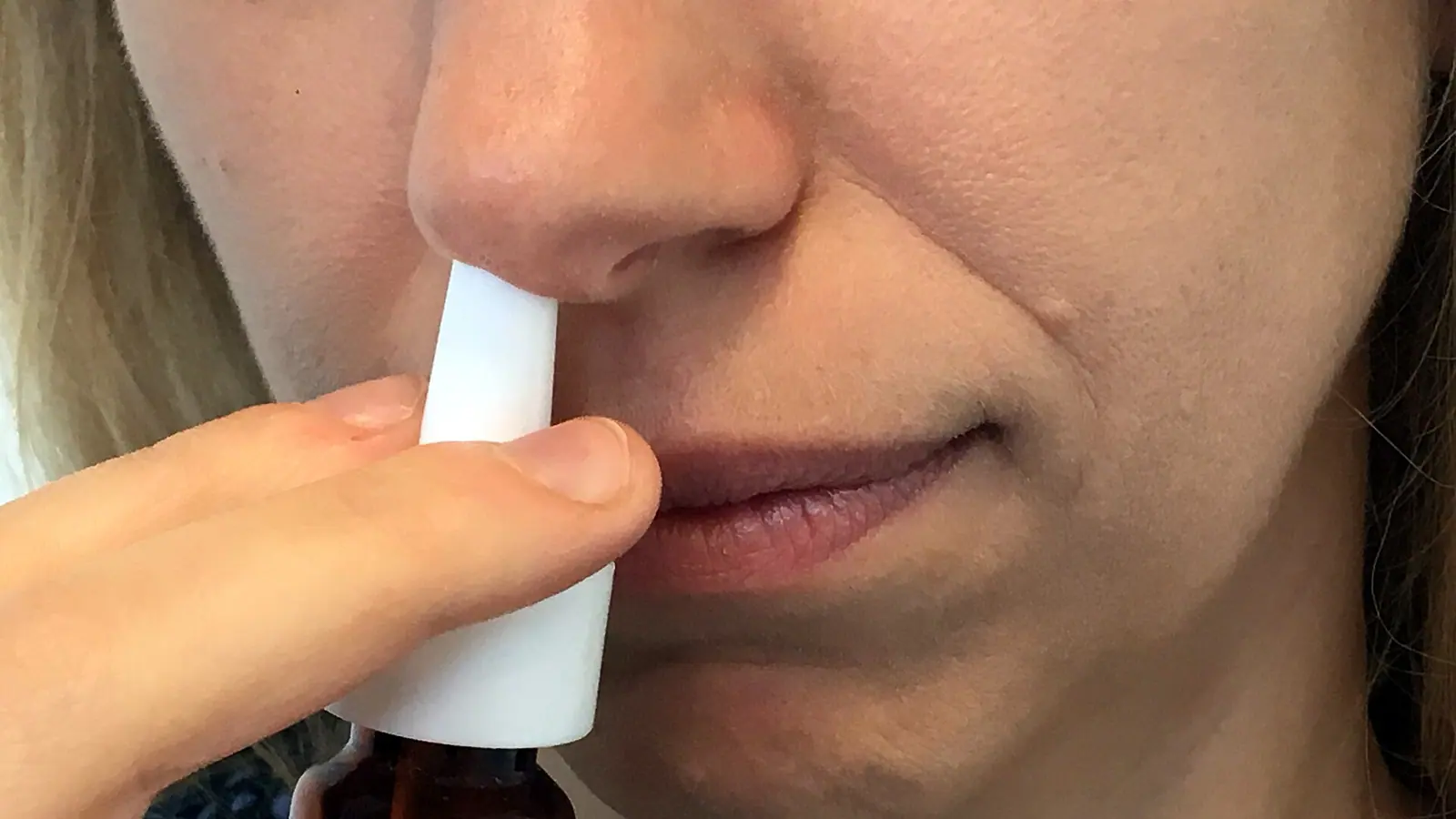

What is the best allergy nasal spray? For most people with nasal allergies, a steroid nasal spray used every day is the most effective single treatment. It calms the swelling inside the nose and relieves sneezing, a runny or blocked nose and nasal itching better than allergy pills do. Antihistamine sprays work faster, saline sprays are a gentle add-on, and decongestant sprays should only be used for a few days.
The Rhinitis 2020 practice parameter from the main U.S. allergy societies still names steroid nasal sprays as the preferred treatment for persistent allergic rhinitis, the medical name for hay fever and year-round nasal allergies.
Best nasal spray for allergies
| Type | Best for | How fast | Watch out for |
|---|---|---|---|
| Steroid (fluticasone, mometasone, budesonide, triamcinolone) | Daily control of sneezing, runny, blocked and itchy nose | 1 to 2 days to start, longer for full effect | Nose dryness, nosebleeds |
| Antihistamine (azelastine, olopatadine) | Fast relief, or added to a steroid spray | Minutes | Less effective alone than combined with a steroid |
| Steroid + antihistamine combination | Allergies that one spray doesn’t control | Minutes to days | Same as each spray |
| Saline | Rinsing out pollen and mucus; adults and children | Right away | Use sterile or distilled water for rinses |
| Decongestant (oxymetazoline) | A badly blocked nose, for a few days only | Minutes | Rebound congestion after a few days |
Sources: Rhinitis 2020, MedlinePlus, Cochrane.
Steroid nasal spray
Steroid (corticosteroid) sprays reduce allergic inflammation inside the nose. In a meta-analysis of 16 trials with 2,267 people, they relieved a blocked nose, runny nose, sneezing and nasal itch better than antihistamine pills. Pills and sprays were about equal for itchy, watery eyes.
The catch is timing. MedlinePlus notes that symptoms may start to improve in 1 to 2 days, but the full benefit takes longer, and the spray works best used every day rather than only on bad days. If your allergies are seasonal, start before the season begins. Our guides to pollen allergy and spring allergies explain when each pollen peaks.
Nasal steroid side effects
The common side effects listed by MedlinePlus are headache, dryness, stinging or irritation in the nose, a sore throat and nosebleeds. Stop using it and get medical help if you have severe or frequent nosebleeds, a whistling sound from the nose, white patches in the nose or mouth, or signs of an allergic reaction.
For children, a review of 33 studies found FDA-approved steroid sprays generally safe: nosebleeds and headaches were no more common than with placebo. A slightly slower growth rate was reported in 3 of 10 trials, so a child’s doctor should check growth if the spray is used long term.
Antihistamine nasal spray
Antihistamine sprays block histamine right where it acts, so they start working within minutes and help sneezing and a runny nose. They’re also a non-steroid nasal spray option for people who’d rather avoid steroids. Used together with a steroid spray they work better than either alone: a meta-analysis found the combination reduced nasal symptoms more than the steroid or the antihistamine on its own, and the practice parameter recommends combining them when one spray isn’t enough.
Saline nasal spray allergies
Salt-water sprays and rinses wash pollen, dust and mucus out of the nose. A Cochrane review of 14 trials found that saline irrigation may reduce allergy symptoms in both adults and children, with no reported side effects, although the studies were small. For rinse bottles and neti pots, MedlinePlus advises using distilled or sterilized water, never plain tap water.
How to use nasal spray
Technique errors are common and are a frequent reason sprays “don’t work,” according to a systematic review. The steps from MedlinePlus:
- Shake the bottle and prime it if it’s new or hasn’t been used for a while, as the leaflet says.
- Blow your nose until both nostrils are clear.
- Close one nostril with a finger, tilt your head slightly forward and keep the bottle upright.
- Put the tip in the open nostril, start breathing in gently through your nose and press the pump.
- Breathe out through your mouth. Repeat in the other nostril if your dose is a spray in each.
- Wipe the tip and put the cap back on.
Don’t sniff hard: the medicine should stay in the nose, not run down your throat.
Medications for runny nose
A runny nose from allergies responds to:
- Steroid nasal sprays, the most effective option for daily symptoms (BMJ meta-analysis).
- Antihistamine sprays or non-drowsy antihistamine pills for fast relief.
- Allergy shots for long-term relief when medicines aren’t enough (MedlinePlus); see our allergy shots guide.
A runny nose with fever, aches and a sore throat is more likely a cold, and allergy sprays won’t shorten it.
Allergy medicine for runny nose
If you’re choosing between pills and a spray, the spray usually wins for nose symptoms. Decongestant sprays dry up a blocked nose fast, but the practice parameter limits them to short-term use because they cause rebound congestion, a stuffier nose that keeps you reaching for the spray (systematic review). If you’re pregnant, our guide to allergy medicine while pregnant covers which options doctors prefer.
Reducing what you breathe in helps every medicine work better. Our guides to dust allergy and air purifiers for allergies cover the home side.
More in Guides & situations
Hives: What Causes Them and How to Get Rid of Hives
Hives are itchy welts that come and go within hours. See what hives look like, what causes them, which antihistamine helps and when chronic hives need a doctor.
Heat Rash: Symptoms, Treatment and How to Get Rid of It
Heat rash (prickly heat) is blocked sweat ducts, not an allergy. See heat rash symptoms, heat rash vs hives, treatment for adults and how to get rid of it fast.
Poison Ivy Rash: Stages, Treatment and How Long It Lasts
A poison ivy rash is an allergy to urushiol oil. See what poison ivy looks like, the rash stages, if it's contagious, how long it lasts and treatment.
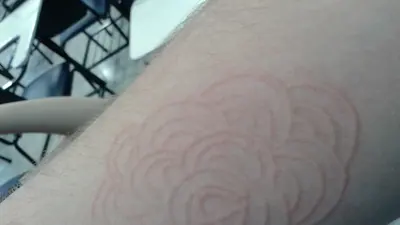
Dermatographia: Skin Writing Causes and Treatment
Dermatographia makes itchy welts rise wherever skin is scratched or rubbed. Learn what causes dermatographia, how skin writing is tested and how it's treated.
Sources & further reading
- The Journal of Allergy and Clinical Immunology — Dykewicz and colleagues, 2020: rhinitis 2020 practice parameter update (AAAAI/ACAAI): intranasal corticosteroids remain the preferred single treatment for persistent allergic rhinitis; intranasal antihistamines act quickly and combining them with an intranasal corticosteroid adds benefit; intranasal decongestants should be limited to short-term use because of rebound congestion; avoid oral decongestants in the first trimester of pregnancy. DOI: 10.1016/j.jaci.2020.07.007.
- BMJ — Weiner and colleagues, 1998: meta-analysis of 16 randomized trials (2,267 people): steroid nasal sprays relieved blockage, runny nose, sneezing, nasal itch and total nasal symptoms better than antihistamine pills; no difference for eye symptoms. DOI: 10.1136/bmj.317.7173.1624.
- Otolaryngology–Head and Neck Surgery — Debbaneh and colleagues, 2019: meta-analysis of randomized trials: the azelastine plus fluticasone combination spray reduced nasal symptoms more than placebo, azelastine alone or fluticasone alone; suggested as second line when one spray isn't enough. DOI: 10.1177/0194599819841883.
- Cochrane Database of Systematic Reviews — Head and colleagues, 2018: 14 trials (747 adults and children): saline nasal irrigation may reduce allergic rhinitis symptoms compared with no saline for up to three months, with no reported adverse effects; evidence is low quality. DOI: 10.1002/14651858.CD012597.pub2.
- Otolaryngology–Head and Neck Surgery — Donaldson and colleagues, 2020: systematic review of 33 studies in children: FDA-approved steroid nasal sprays are generally safe; nosebleeds and headache were no more common than with placebo; slower growth was reported in 3 of 10 trials and adrenal or eye effects were uncommon. DOI: 10.1177/0194599820931454.
- Otolaryngology–Head and Neck Surgery — Zucker and colleagues, 2019: systematic review: rhinitis medicamentosa (rebound congestion) comes from overuse of decongestant nasal sprays; steroid nasal sprays were the most reported treatment, but evidence is limited. DOI: 10.1177/0194599818807891.
- Asia Pacific Allergy — Al-Taie, 2025: systematic review of 10 studies: nasal spray technique errors, poor knowledge of how to use the spray and poor adherence are common and can lead to treatment failure. DOI: 10.5415/apallergy.0000000000000173.
- MedlinePlus (U.S. National Library of Medicine) — Fluticasone nasal spray: relieves sneezing and a runny, stuffy or itchy nose from allergies; step-by-step use; improvement may start in 1 to 2 days but full benefit takes longer; works best used regularly; side effects include headache, nasal dryness or irritation and nosebleeds; may slow growth in children.
- MedlinePlus (U.S. National Library of Medicine) — Hay fever: sneezing, runny or clogged nose, itchy eyes; medicines and nasal sprays relieve symptoms; nose rinses should use distilled or sterilized water with saline; allergy shots give long-term relief.