Benzalkonium Chloride: Uses, Safety and Allergy
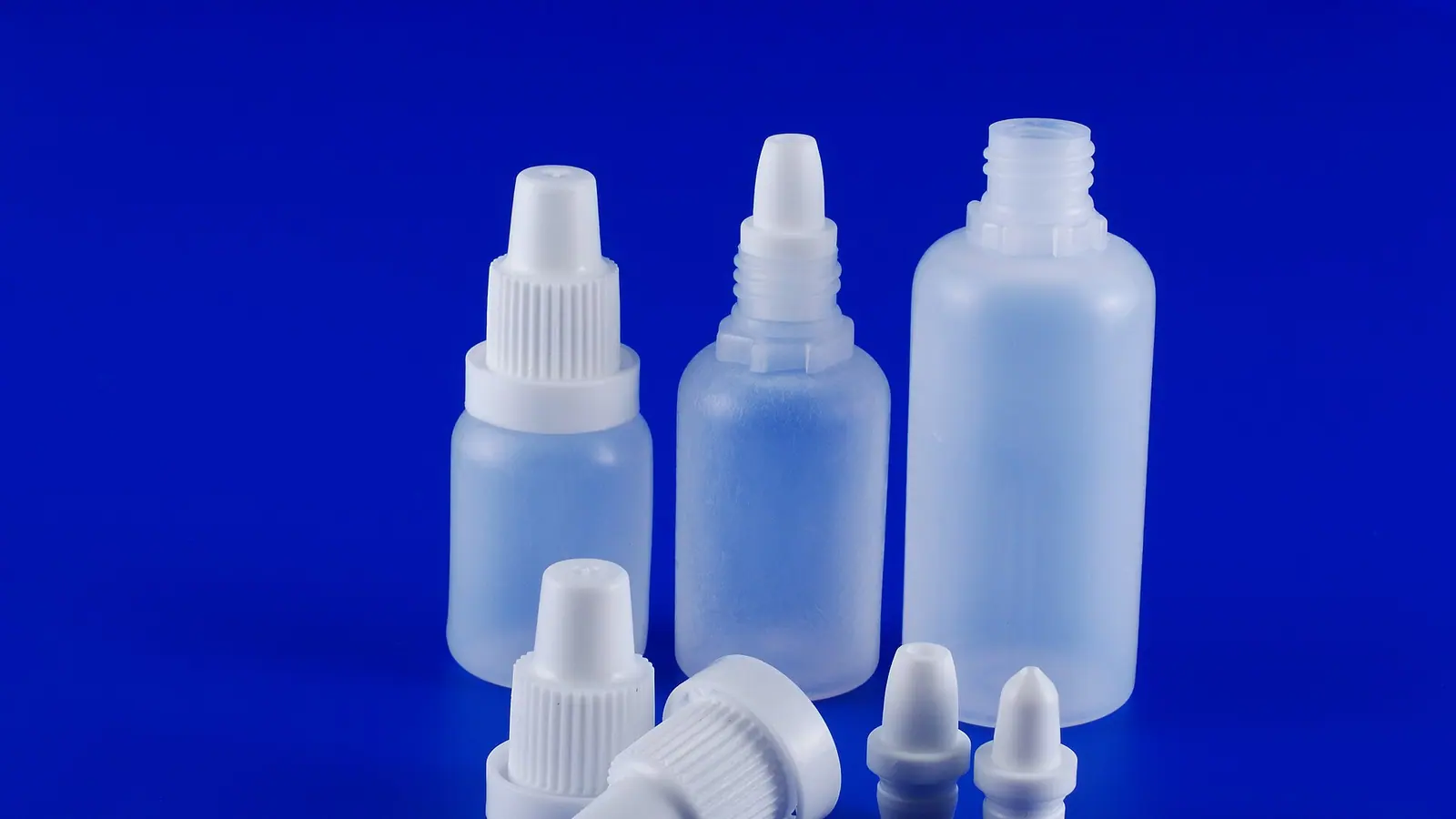

What is benzalkonium chloride? Benzalkonium chloride (often shortened to BAK or BAC) is an antiseptic from the quaternary ammonium family, the “quats.” It kills germs on skin and surfaces and keeps multi-dose eye drops and nasal sprays from growing bacteria. It’s safe at the low levels used, but it’s a well-known irritant, it can bother the eyes with long-term use, and a minority of people become allergic to it.
Benzalkonium chloride uses
You’ll find benzalkonium chloride in first aid sprays and antiseptic wipes, alcohol-free hand sanitizers, disinfectant sprays for surfaces, eye drops and nasal sprays. Quats are the active ingredient in hundreds of household disinfectants (Okeke), so people who clean a lot meet them on their hands too. Our hypoallergenic cleaning products guide covers the cleaning side.
Benzalkonium chloride antiseptic
On the skin, benzalkonium chloride works as a germ killer in wound sprays and wipes labeled “antiseptic.” Used on a cut or scrape, it touches skin that’s already broken, which is where irritation and allergy are most likely (Isaac and Scheinman).
Benzalkonium chloride hand sanitizer
“Alcohol-free” hand sanitizers usually rely on benzalkonium chloride. In 2019 the FDA set aside a decision on it, along with ethyl and isopropyl alcohol, so makers could send more data on whether it’s safe and effective in consumer hand rubs (Federal Register). If your hands crack, our fragrance free hand soap and hand eczema guides explain how to protect them.
Is benzalkonium chloride safe?
At the concentrations in consumer products it’s considered safe, but it has three known downsides.
- Skin irritation. It’s a recognized irritant (Uter), and products with it should be used carefully on a damaged skin barrier such as eczema or cracked hands (Isaac and Scheinman).
- Eyes. It’s in about 70% of eye drop formulas. It damages the cells on the surface of the eye, which shows up as dryness, burning and redness, mostly with long-term use such as glaucoma drops, but sometimes after only a week (Goldstein).
- Nose. Most decongestant nasal sprays contain it, and with prolonged use it can add to nasal swelling and rebound congestion (Graf). Our allergy nasal spray guide explains why decongestant sprays are for a few days only.
Benzalkonium chloride eye drops
If you use eye drops every day, for dry eye, allergies or glaucoma, the preservative adds up. Options that avoid it include drops with other preservatives and preservative-free drops (Goldstein). Don’t switch prescription glaucoma drops on your own; ask your eye doctor.
Eye drops without benzalkonium chloride
Check the inactive ingredients on the Drug Facts label, or look for “preservative free.” This matters most if your eyes burn after every drop or you already have eye allergies; our allergic conjunctivitis guide covers allergy eye drops, and our polyethylene glycol guide explains the lubricants in tear drops.
Benzalkonium chloride allergy
Whether benzalkonium chloride is a true allergen, not just an irritant, has been debated. In a German network of almost 43,000 patients, positive patch tests were rare, 0.6% to 1.5%, and often didn’t repeat when retested (Uter). U.S. clinics see more: at the Mayo Clinic it was among the 10 most frequent allergens in their standard series (Wentworth), and in a clinic where 70% of patients were atopic, 10% had strong reactions (Isaac and Scheinman). People with eczema and a damaged skin barrier seem most at risk.
An allergic reaction looks like an itchy, red rash where the product touched, often on the hands, the eyelids from eye drops, or around a wound treated with an antiseptic. If you suspect it, a dermatologist can patch test you; our guides to contact dermatitis and eyelid dermatitis explain the steps. If eye drops cause sudden eye pain, vision changes or swelling that spreads to the face, get medical care the same day.
More in Ingredients & materials
Nickel Allergy: Causes, Sources, Rules and Testing
Nickel allergy: why nickel causes allergic contact dermatitis, where it's found, how US and EU rules differ, and how spot tests and patch tests work.

Fragrance Allergy: What 'Fragrance' and 'Parfum' Can Hide
Fragrance allergy: why one word on a label can stand for dozens of chemicals, which allergens dermatologists test for, and US vs EU label rules.

Methylisothiazolinone (MI): A Preservative Allergy Explained
Methylisothiazolinone (MI) and MCI/MI: where they're used, why allergy to them surged, how the EU restricted them, and how to spot them on labels.
Formaldehyde Allergy and Formaldehyde Releasers on Labels
Formaldehyde allergy: which preservatives release formaldehyde, the label names to look for, where else it turns up, and what US and EU rules say.
Sources & further reading
- U.S. Food and Drug Administration (Federal Register) — Safety and effectiveness of consumer antiseptic rubs, final rule (Apr 12, 2019): FDA deferred rulemaking on three active ingredients for over-the-counter consumer hand rubs (benzalkonium chloride, ethyl alcohol and isopropyl alcohol) to allow new safety and effectiveness data; no GRAS/GRAE determination yet.
- Contact Dermatitis — Uter and colleagues, 2008: patch test data on 42,898 patients in the German IVDK network: positive reactions to benzalkonium chloride were rare (0.6% to 1.5%) and poorly reproducible; it is a well-recognized irritant and a contact allergen, but a very rare one. DOI: 10.1111/j.1600-0536.2008.01327.x.
- Dermatitis — Isaac and Scheinman, 2017: 615 patients patch tested with benzalkonium chloride 0.1%: 32% positive and 10% strong reactions; 70% were atopic; products with it or possible cross-reactors should be used carefully on a damaged skin barrier. DOI: 10.1097/DER.0000000000000316.
- Dermatitis — Wentworth and colleagues, 2016: mayo Clinic patch testing 2000 to 2012: benzalkonium chloride was among the top 10 allergens in their standard series, with rising rates of allergic reactions; at least a third of reactions were relevant. DOI: 10.1097/DER.0000000000000160.
- Clinical, Cosmetic and Investigational Dermatology — Okeke and colleagues, 2023: review of quaternary ammonium compounds and contact dermatitis: active ingredients in 292 EPA-listed disinfectants against SARS-CoV-2; benzalkonium chloride, cetrimonium, quaternium-15, cetylpyridinium and benzethonium chloride identified as possible causes of skin irritation and allergy. DOI: 10.2147/CCID.S410910.
- Eye — Goldstein and colleagues, 2022: benzalkonium chloride is used in about 70% of eye drop formulations and damages corneal and conjunctival cells, causing ocular surface disease signs and symptoms, more with long-term use but sometimes after only 7 days; alternatives include other preservatives and preservative-free drops. DOI: 10.1038/s41433-021-01668-x.
- Clinical Therapeutics — Graf, 1999: most decongestant nasal sprays contain benzalkonium chloride; its prolonged use causes nasal swelling and may worsen rebound congestion (rhinitis medicamentosa) and allergic rhinitis symptoms. DOI: 10.1016/S0149-2918(99)80053-8.