Polyethylene Glycol (PEG): Uses, Laxative and PEG Allergy
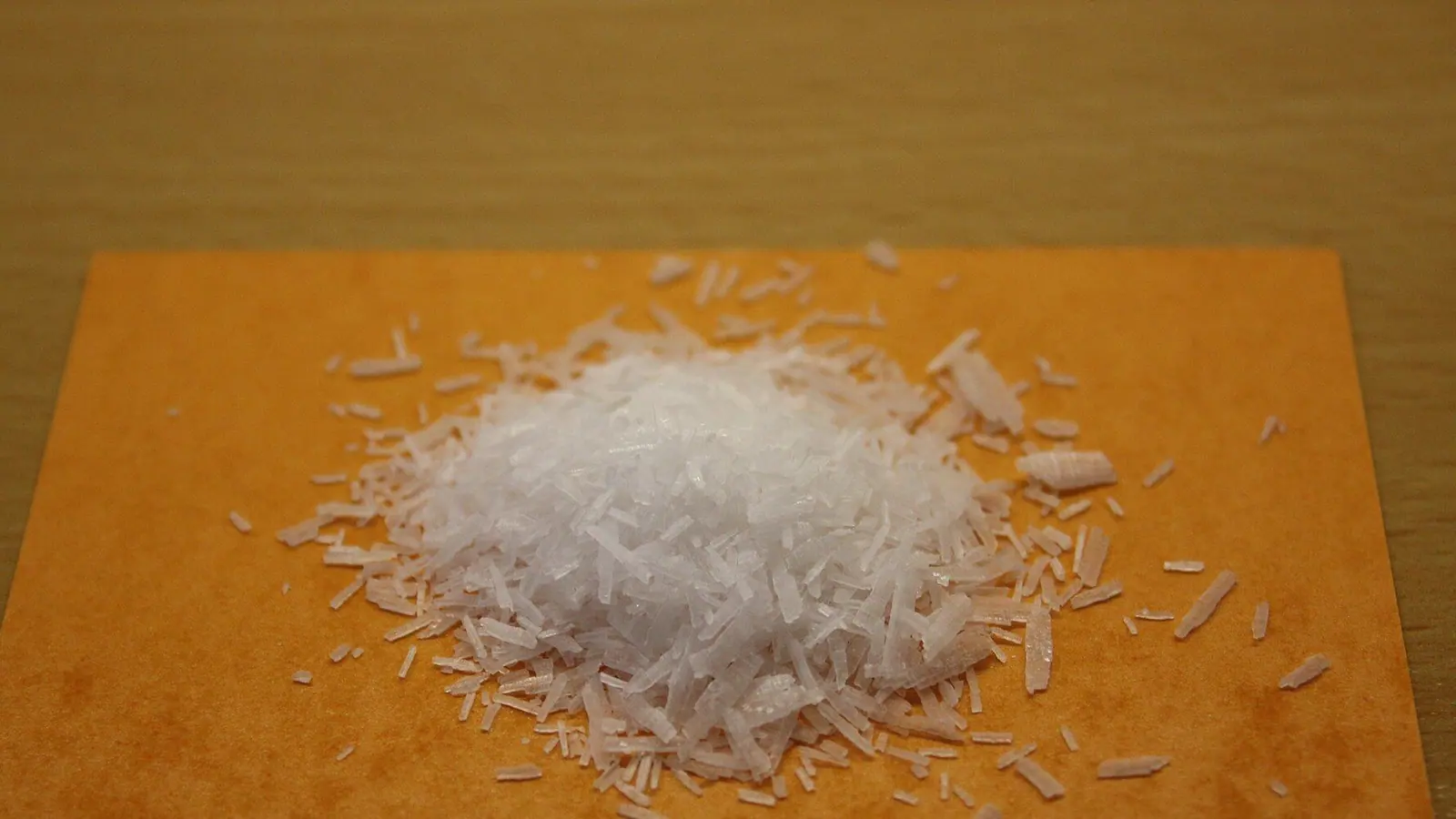

What is polyethylene glycol? Polyethylene glycol, or PEG (also called macrogol), is a family of man-made compounds that dissolve in water. You meet it in three main places: as PEG 3350, an over-the-counter laxative; as PEG 300 or 400, a lubricant in eye drops; and as PEGs and PEG-based emulsifiers in creams, shampoos and cosmetics. For most people it’s very well tolerated, but a small number are allergic to it, and that allergy can be severe.
The number after “PEG” is the size of the molecule. Low numbers such as PEG 200 to 600 are liquids, and high numbers such as PEG 3350 or 4000 are powders or waxy flakes.
Polyethylene glycol 3350
PEG 3350 is an osmotic laxative for occasional constipation. It keeps water in the stool, which softens it and makes bowel movements more frequent (MedlinePlus). A review of 21 studies with almost 2,000 patients, including children and older adults, found it safe and effective (Zurad).
Polyethylene glycol laxative
The powder is stirred into 8 ounces (240 ml) of water, juice, coffee or tea and taken once a day as needed, usually for no more than 2 weeks. It can take 2 to 4 days to work. Nausea, bloating, cramping and gas are the common side effects; call your doctor if you get diarrhea or hives (MedlinePlus). Diet, fluids and activity come first for constipation, and the NIDDK advises using a laxative only for a short time, as your health care professional suggests.
PEG 400
PEG 300 and PEG 400 are liquids. U.S. rules list them as allowed lubricants in over-the-counter eye drops, at 0.2 to 1 percent, next to glycerin and propylene glycol (21 CFR 349.12). The same liquid PEGs are also used as a base in creams and ointments, because they dissolve active ingredients and wash off easily.
Polyethylene glycol 400 and propylene glycol
Many lubricant eye drops pair these two ingredients. If drops you use every day start to sting or redden your eyes, look at the preservative too: benzalkonium chloride, found in most multi-dose eye drops, damages the eye surface with long use (Goldstein). Our guides to benzalkonium chloride, propylene glycol and allergic conjunctivitis explain what to check.
Polyethylene glycol in cosmetics
On an ingredient list, PEGs appear as “PEG-” followed by a number (PEG-8, PEG-100 stearate, PEG-40 hydrogenated castor oil) and inside names such as ceteareth or laureth. They work as emulsifiers, cleansers (surfactants), conditioners and humectants (Patel). In a survey of personal hygiene wet wipes, 18.5% contained PEG derivatives (Aschenbeck).
A safety assessment found that PEGs cause little or no skin or eye irritation and barely penetrate intact skin. The few allergy reports came mostly from medicines or from injured or chronically inflamed skin, so the review judged PEGs safe in cosmetics but not for use on damaged skin (Fruijtier-Pölloth). If you have eczema or cracked skin, that’s one more reason to keep products simple; see our guides to cetearyl alcohol, dimethicone and glycerin for other common cream bases.
PEG allergy
PEG allergy is rare, but it’s an immediate allergy that can cause anaphylaxis. A review of 37 reported cases found reactions ranging from mild to life-threatening, and many patients had several severe reactions to unrelated products before anyone suspected PEG (Wenande). PEG 3350, the laxative form, is the most commonly reported trigger, and people allergic to it may also react to polysorbate 80, a related ingredient in many medicines (Stone).
If you have trouble breathing, swelling of the lips, tongue or throat, or feel faint after taking a medicine, call 911 and use epinephrine if you have it. Our anaphylaxis symptoms guide lists the warning signs.
Doctors suspect PEG allergy when someone has had anaphylaxis to several medicines that have nothing in common except their inactive ingredients, such as laxatives, tablets or injections. An allergist checks the ingredient lists and can test with pure PEG (Garvey). PEG is also in the mRNA COVID-19 vaccines. Reviewing the rare anaphylaxis cases, the authors of one review recommended that people who’ve had an immediate allergic reaction to PEG or polysorbate not receive mRNA COVID-19 vaccines, and that people with anaphylaxis from other or unknown causes see an allergist first (Giavina-Bianchi).
Skin reactions to PEG in creams are rarely reported (Fruijtier-Pölloth). If a cream causes a rash, a patch test with a dermatologist is the way to find the real cause.
More in Ingredients & materials
Nickel Allergy: Causes, Sources, Rules and Testing
Nickel allergy: why nickel causes allergic contact dermatitis, where it's found, how US and EU rules differ, and how spot tests and patch tests work.

Fragrance Allergy: What 'Fragrance' and 'Parfum' Can Hide
Fragrance allergy: why one word on a label can stand for dozens of chemicals, which allergens dermatologists test for, and US vs EU label rules.

Methylisothiazolinone (MI): A Preservative Allergy Explained
Methylisothiazolinone (MI) and MCI/MI: where they're used, why allergy to them surged, how the EU restricted them, and how to spot them on labels.
Formaldehyde Allergy and Formaldehyde Releasers on Labels
Formaldehyde allergy: which preservatives release formaldehyde, the label names to look for, where else it turns up, and what US and EU rules say.
Sources & further reading
- Clinical and Experimental Allergy — Wenande and Garvey, 2016: first comprehensive review of immediate-type PEG hypersensitivity: 37 reported cases since 1977, from mild to life-threatening; low awareness and poor labeling mean patients often have repeated severe reactions to unrelated products before diagnosis. DOI: 10.1111/cea.12760.
- The Journal of Allergy and Clinical Immunology: In Practice — Stone and colleagues, 2019: immediate hypersensitivity to PEG 3350 with cross-reactivity to polysorbate 80, shown by skin and challenge testing; thousands of medications contain PEGs or polysorbates; 53 more possible PEG 3350 anaphylaxis cases in FDA adverse event reports. DOI: 10.1016/j.jaip.2018.12.003.
- Allergy — Garvey and colleagues, 2026: EAACI position paper on excipient hypersensitivity: suspect it after anaphylaxis to several chemically unrelated drugs, including oral laxatives; polyethylene glycol is one of the most common culprits; review the product's ingredient list and test with the pure excipient. DOI: 10.1111/all.70324.
- MedlinePlus (U.S. National Library of Medicine) — Polyethylene glycol 3350: an osmotic laxative for occasional constipation that keeps water in the stool; powder mixed in 8 ounces of liquid, usually once a day as needed for up to 2 weeks; may take 2 to 4 days to work; side effects nausea, bloating, cramping, gas; call a doctor for diarrhea or hives.
- National Institute of Diabetes and Digestive and Kidney Diseases (NIDDK) — Treatment for constipation: diet, fluids and activity first; a health care professional may recommend a laxative for a short time, with osmotic agents among the over-the-counter types.
- Current Medical Research and Opinion — Zurad and Johanson, 2011: evidence review of the over-the-counter osmotic laxative PEG 3350: 21 studies with 1,949 patients, including children and older adults; shown to be safe and effective for constipation. DOI: 10.1185/03007995.2011.580339.
- U.S. Code of Federal Regulations (eCFR) — 21 CFR 349.12, ophthalmic demulcents: polyethylene glycol 300 and polyethylene glycol 400 (0.2 to 1 percent) are allowed active ingredients in over-the-counter lubricant eye drops, along with glycerin, polysorbate 80 and propylene glycol.
- Toxicology — Fruijtier-Pölloth, 2005: safety assessment of PEGs and derivatives in cosmetics: little or no skin or eye irritation, very low toxicity, poor penetration of intact skin; few sensitization reports, mainly on injured or chronically inflamed skin; safe for use in cosmetics but must not be applied to damaged skin. DOI: 10.1016/j.tox.2005.06.001.
- Indian Dermatology Online Journal — Patel and colleagues, 2025: review of PEG in dermatology: emollient and humectant uses in creams and peels; in cosmetics PEG works as an emulsifier, surfactant and conditioner; hypersensitivity including urticaria and rare anaphylaxis. DOI: 10.4103/idoj.idoj_648_24.
- Dermatitis — Aschenbeck and Warshaw, 2017: ingredients of 54 personal hygiene wet wipes from 4 large retailers: fragrance in 72.2%, disodium EDTA in 42.6%, polyethylene glycol derivatives in 18.5%. DOI: 10.1097/DER.0000000000000275.
- Eye — Goldstein and colleagues, 2022: benzalkonium chloride is used in about 70% of eye drop formulations and damages corneal and conjunctival cells, causing ocular surface disease signs and symptoms, more with long-term use but sometimes after only 7 days; alternatives include other preservatives and preservative-free drops. DOI: 10.1038/s41433-021-01668-x.
- World Allergy Organization Journal — Giavina-Bianchi and Kalil, 2021: PEG as a possible cause of rare anaphylaxis to mRNA COVID-19 vaccines; cause and effect not demonstrated; the authors suggest mRNA COVID-19 vaccines be contraindicated after immediate hypersensitivity to PEG or polysorbate, and that people with anaphylaxis from other or unknown causes see an allergist. DOI: 10.1016/j.waojou.2021.100532.