Glycerin: What It Does for Skin, and Is It Safe?
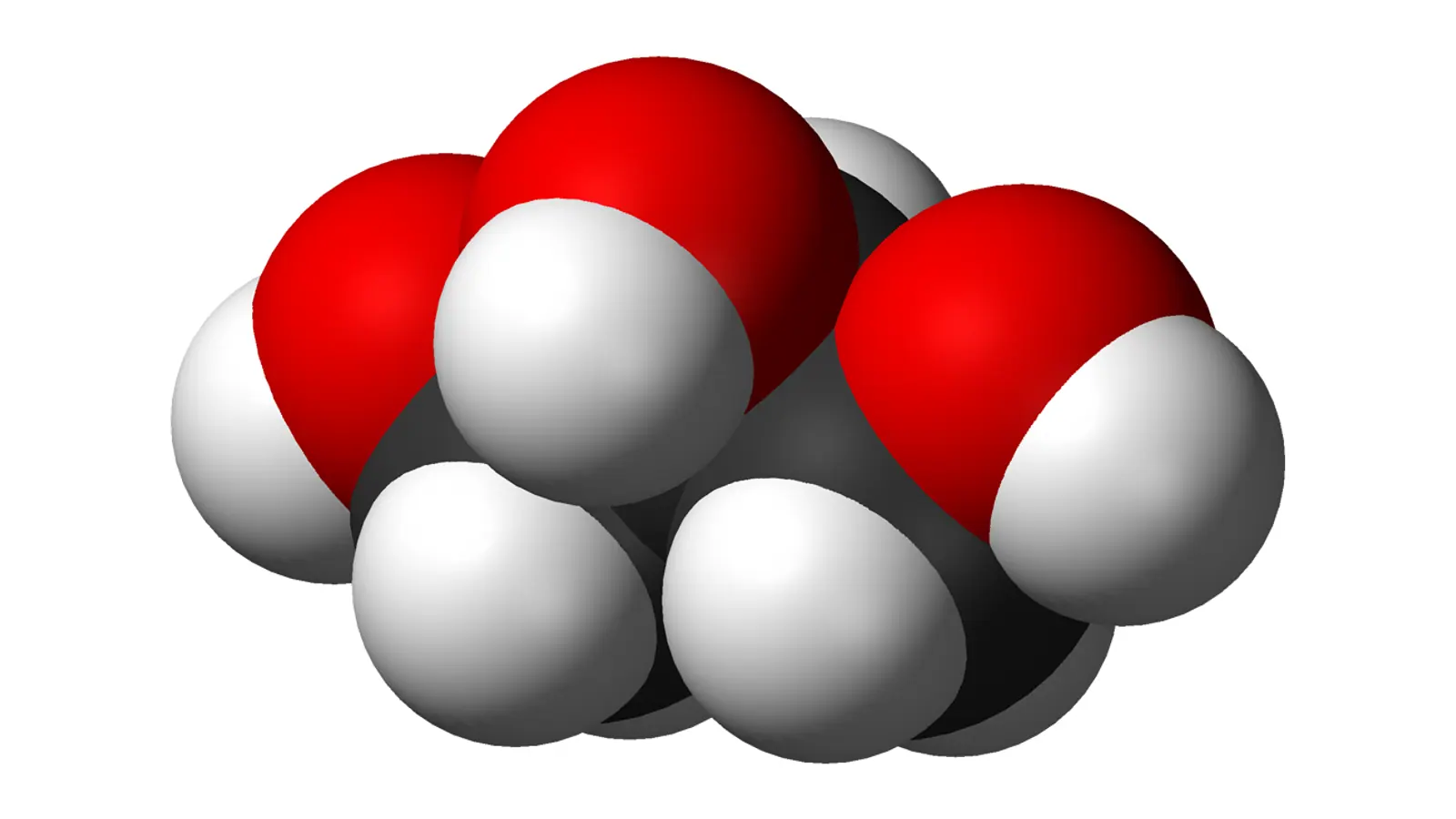

What is glycerin? Glycerin, also called glycerol or glycerine, is a clear, odorless liquid that attracts and holds water. In skin care it works as a humectant: it draws water into the outer layer of skin and keeps it there (International Journal of Toxicology). It’s also one of the most common skin care ingredients. In a survey of 178 facial wipes, it was the ingredient listed most often, in 64% of them (Dermatitis).
Glycerin for skin
Glycerin is both a cosmetic ingredient and an approved drug ingredient. The FDA lists it as an active ingredient in over-the-counter skin protectants at 20% to 45% (21 CFR 347.10). In regular cosmetics, the Cosmetic Ingredient Review panel lists its jobs as humectant, skin protectant and skin conditioning agent, among others, and concluded it’s safe as used (International Journal of Toxicology).
Is glycerin good for skin?
For dry and eczema-prone skin, the evidence is good. A systematic review of 48 studies found that the clinical benefit of moisturizers is best documented for urea and glycerin, though the glycerin studies were more often at risk of bias (American Journal of Clinical Dermatology).
In a randomized study of 335 children aged 2 to 6 with eczema, an emollient containing glycerol and paraffin cut flares in half over 12 weeks:
| Group | Children with a flare by 12 weeks |
|---|---|
| Glycerol and paraffin emollient | 35.1% |
| No emollient | 67.6% |
Fewer children using the emollient needed steroid creams (Pediatric Dermatology). That’s one product, not glycerin alone, but it shows what a simple humectant-plus-occlusive cream can do. Our skin barrier repair guide explains how humectants and occlusives work together.
Vegetable glycerin
“Vegetable glycerin” just tells you the source: the glycerin was made from plant oils. Once it’s purified, it’s the same molecule, and the FDA’s food rule simply lists “glycerin” as generally recognized as safe, without separating sources (21 CFR 182.1320). For skin, the label “vegetable” doesn’t make it gentler; it mainly matters to people who avoid animal-derived ingredients.
Glycerin moisturizer
A glycerin moisturizer pulls water into skin. Many moisturizers pair it with an occlusive such as petrolatum, dimethicone or mineral oil. If your skin is very dry or cracked, look for both on the label. Our guides to fragrance free moisturizer, dimethicone and hand cream for eczema cover the occlusive side.
Glycerin allergy
Glycerin allergy is very rare. The literature has single case reports, such as allergic contact dermatitis from glycerin in a moisturizing cream (Contact Dermatitis). Products that contain glycerin usually contain much more common allergens too: in the same wipes survey, fragrance was listed in 63.5% and the preservative phenoxyethanol in 53.9% (Dermatitis). If you keep reacting, a dermatologist can sort it out with patch testing, and our fragrance allergy and propylene glycol guides cover common culprits.
More in Ingredients & materials
Nickel Allergy: Causes, Sources, Rules and Testing
Nickel allergy: why nickel causes allergic contact dermatitis, where it's found, how US and EU rules differ, and how spot tests and patch tests work.

Fragrance Allergy: What 'Fragrance' and 'Parfum' Can Hide
Fragrance allergy: why one word on a label can stand for dozens of chemicals, which allergens dermatologists test for, and US vs EU label rules.

Methylisothiazolinone (MI): A Preservative Allergy Explained
Methylisothiazolinone (MI) and MCI/MI: where they're used, why allergy to them surged, how the EU restricted them, and how to spot them on labels.
Formaldehyde Allergy and Formaldehyde Releasers on Labels
Formaldehyde allergy: which preservatives release formaldehyde, the label names to look for, where else it turns up, and what US and EU rules say.
Sources & further reading
- International Journal of Toxicology — Becker and colleagues, 2019: cosmetic Ingredient Review safety assessment: glycerin works as a humectant, skin protectant, skin conditioning agent and more; safe as a cosmetic ingredient in current practices of use and concentration. DOI: 10.1177/1091581819883820.
- U.S. Food and Drug Administration (21 CFR 347.10) — Over-the-counter skin protectant active ingredients: glycerin 20% to 45%, alongside dimethicone, lanolin, petrolatum and others.
- U.S. Food and Drug Administration (21 CFR 182.1320) — Glycerin is generally recognized as safe in food when used in accordance with good manufacturing practice.
- American Journal of Clinical Dermatology — Lindh and colleagues, 2015: systematic review of 48 studies (3,262 patients) on moisturizers in atopic dermatitis and related conditions: clinical effect best documented for urea and glycerin; glycerin studies more often at high risk of bias. DOI: 10.1007/s40257-015-0146-4.
- Pediatric Dermatology — Tiplica and colleagues, 2017: randomized study, 335 children aged 2 to 6 with atopic dermatitis: with an emollient containing glycerol and paraffin, 35.1% had a flare within 12 weeks, versus 67.6% with no emollient. DOI: 10.1111/pde.13113.
- Dermatitis — Aschenbeck and colleagues, 2017: ingredient lists of 178 facial wet wipes: glycerin was the most common ingredient listed, in 64% of wipes. DOI: 10.1097/DER.0000000000000268.
- Contact Dermatitis — Preston and colleagues, 2003: case report of allergic contact dermatitis from glycerin in a moisturizing cream. DOI: 10.1111/j.0105-1873.2003.0206k.x.