Skin Barrier Repair: Signs of Damage and How to Fix It
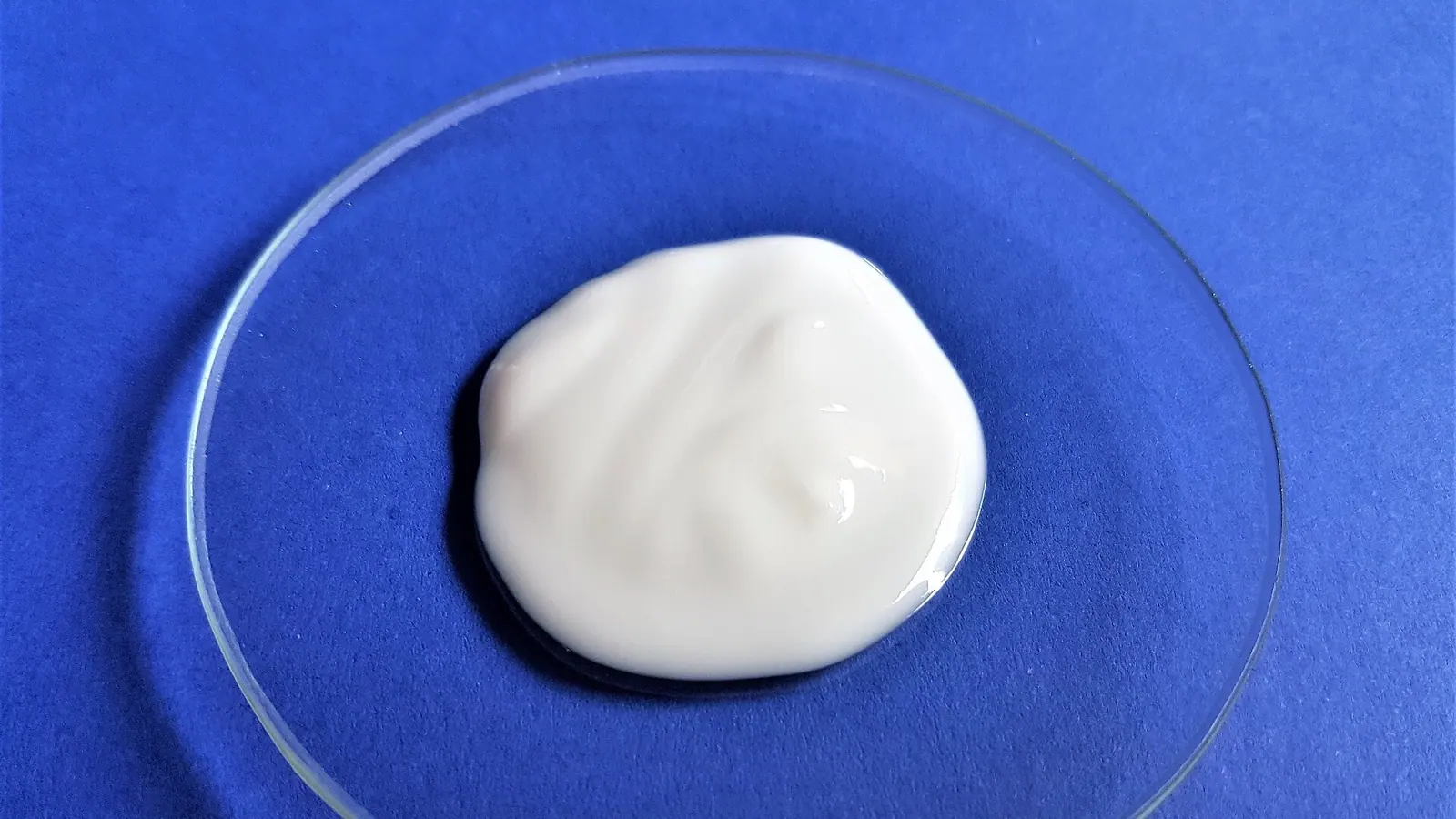

What is skin barrier repair? Skin barrier repair means helping the outer layer of your skin rebuild its seal so it holds water in and keeps irritants out. You do it by stopping whatever is damaging the skin, washing gently, and using a moisturizer with barrier-friendly ingredients like ceramides, glycerin or petrolatum. Small, short injuries recover within days in studies; skin that has been irritated for months takes longer.
Signs of damaged skin barrier
The barrier is the stratum corneum, the top layer of skin. Proksch and colleagues describe it as flattened cells held together by layers of fats, mainly ceramides, free fatty acids and cholesterol. When those layers are disturbed, water escapes and allergens get in, which can drive inflammation. In everyday terms, a damaged skin barrier often shows up as the dry, red, rough skin that MedlinePlus describes in irritant dermatitis:
- Tightness and dryness soon after washing.
- Rough, flaky or scaly patches.
- Stinging or burning from products that never bothered you before, including plain moisturizer.
- Redness and itchiness that come and go.
These signs overlap with eczema, rosacea and contact dermatitis, all of which involve a weak barrier. If they don’t settle with gentle care, see a dermatologist.
How to repair skin barrier
- Stop the damage. MedlinePlus advises avoiding further contact with whatever irritates the skin. In practice, pause exfoliating acids, scrubs, retinol and strong vitamin C. Check the timing: did the trouble start with a new product? Our guides to retinol for sensitive skin and vitamin C serum for sensitive skin explain why these actives can sting.
- Cleanse gently. Soaps push skin pH up from its natural level of about 4.7, according to Lambers and colleagues. For eczema, MedlinePlus suggests short, cooler baths and gentle cleansers instead of regular soaps. Use lukewarm water and a mild, fragrance-free cleanser; see our hypoallergenic face wash guide.
- Moisturize every day. A Cochrane review by van Zuuren and colleagues, covering 77 trials, found that people using a moisturizer had fewer eczema flares and needed less steroid cream than those using none, though the evidence was low quality. MedlinePlus suggests applying it while the skin is still damp after bathing.
- Use an occlusive on rough patches. In skin biopsies from volunteers and people with eczema, Czarnowicki and colleagues found that petrolatum raised levels of barrier proteins and thickened the outer layer.
- Keep the routine boring. MedlinePlus recommends products without alcohol, scents or dyes, and fewer products mean fewer chances of irritation or allergy while the barrier rebuilds.
What are ceramides?
Ceramides are fats that make up a large part of the “mortar” between skin cells, alongside cholesterol and free fatty acids. In a classic study, Man and colleagues applied these lipids to damaged mouse skin: a complete mix of all three let the barrier recover normally, while single lipids or two-lipid mixtures actually slowed recovery. That’s why barrier creams often combine ceramides with cholesterol and fatty acids rather than relying on ceramides alone.
In people, a ceramide-dominant cream helped children with stubborn eczema: Chamlin and colleagues found that 22 of 24 children improved within 3 weeks of swapping their usual moisturizer for it, alongside their regular treatment. For choosing a ceramide moisturizer, see our guide to fragrance free moisturizer.
Barrier repair cream: what to look for
| Ingredient | What it does | Evidence |
|---|---|---|
| Ceramides with cholesterol and fatty acids | Replace barrier lipids | Complete lipid mix restored normal recovery (Man) |
| Glycerin | Draws water in, helps repair | Sped up recovery after tape stripping and detergent damage (Fluhr) |
| Petrolatum | Seals water in, supports barrier proteins | Raised filaggrin and loricrin (Czarnowicki) |
Also look for fragrance-free and short ingredient lists, since fragrance is one of the most common skin allergens (see our guide to fragrance allergy).
How long does it take to repair skin barrier?
It depends on how badly and how long the skin has been damaged. In a study by Fluhr and colleagues, researchers followed barrier recovery for 3 days after tape stripping and 7 days after repeated washing with a harsh detergent, and glycerin-treated skin recovered faster in both. Those were short, controlled injuries. In the Chamlin eczema study, children kept improving between week 6 and week 20. If your skin has been reacting for months, expect repair to take longer than these short studies, and if it isn’t improving, ask a dermatologist about eczema or contact allergy.
More in Skincare
What Does Hypoallergenic Mean on a Label? The Legal Answer
What does hypoallergenic mean? In the US it has no legal definition for cosmetics, detergents or jewelry. What the FDA says and which signals count.
Fragrance Free vs Unscented: Why the Difference Matters
Fragrance free vs unscented: unscented products can hide masking fragrance, and fragrance-free ones may still contain scented plant oils. Read the label.
Fragrance Free Moisturizer for Sensitive Skin: How to Choose
How to choose a fragrance free moisturizer for sensitive or eczema-prone skin: ointments vs creams, barrier-repair ingredients and common irritants.

Hypoallergenic Makeup for Sensitive Eyes: What to Look For
Hypoallergenic makeup for sensitive eyes: how to choose mascara, liner and shadow when your eyelids itch or water, and the hygiene habits that matter most.
Sources & further reading
- Experimental Dermatology — Proksch and colleagues, 2008: review: the barrier sits mainly in the stratum corneum, made of corneocytes and lipid layers of ceramides, free fatty acids and cholesterol; a disturbed barrier lets allergens in and drives inflammation. DOI: 10.1111/j.1600-0625.2008.00786.x.
- Archives of Dermatology — Man and colleagues, 1993: in mouse skin, complete mixtures of ceramide, cholesterol and fatty acid allowed normal barrier recovery, while single lipids or two-lipid mixes delayed it. DOI: 10.1001/archderm.1993.01680270066008.
- Journal of the American Academy of Dermatology — Chamlin and colleagues, 2002: in 24 children with stubborn atopic dermatitis, switching to a ceramide-dominant barrier repair emollient improved severity in 22 within 3 weeks. DOI: 10.1067/mjd.2002.124617.
- Journal of Allergy and Clinical Immunology — Czarnowicki and colleagues, 2016: petrolatum increased barrier proteins (filaggrin, loricrin), thickened the stratum corneum and raised antimicrobial peptides in skin. DOI: 10.1016/j.jaci.2015.08.013.
- Cochrane Database of Systematic Reviews — van Zuuren and colleagues, 2017: 77 trials with 6,603 people: compared with no moisturizer, moisturizers meant fewer flares and less topical steroid use (low-quality evidence); reported side effects included smarting and stinging. DOI: 10.1002/14651858.CD012119.pub2.
- Acta Dermato-Venereologica — Fluhr and colleagues, 1999: glycerol sped up barrier recovery in people after tape stripping (3-day follow-up) and after detergent damage (7-day follow-up). DOI: 10.1080/000155599750009825.
- International Journal of Cosmetic Science — Lambers and colleagues, 2006: natural skin surface pH averages about 4.7; soaps and even tap water (pH around 8 in Europe) raise it. DOI: 10.1111/j.1467-2494.2006.00344.x.
- MedlinePlus (U.S. National Library of Medicine) — Contact dermatitis: an allergy forms only after repeated exposure and usually shows 24 to 48 hours after contact; common allergens include false-eyelash adhesives, fragrances, nail polish, hair dyes and nickel (even in lipstick holders); patch testing takes at least 3 visits; treatment includes washing with water, avoiding the substance and emollients.
- MedlinePlus (U.S. National Library of Medicine) — Atopic dermatitis: in adults the rash may be limited to the eyelids; cold, dry air and irritants make it worse; keep skin moist with creams or ointments such as petroleum jelly, choose products without alcohol, scents or dyes, use gentle cleansers and short, cooler baths; ceramide barrier creams may be used.