Retinol for Sensitive Skin: How to Start Without Irritation
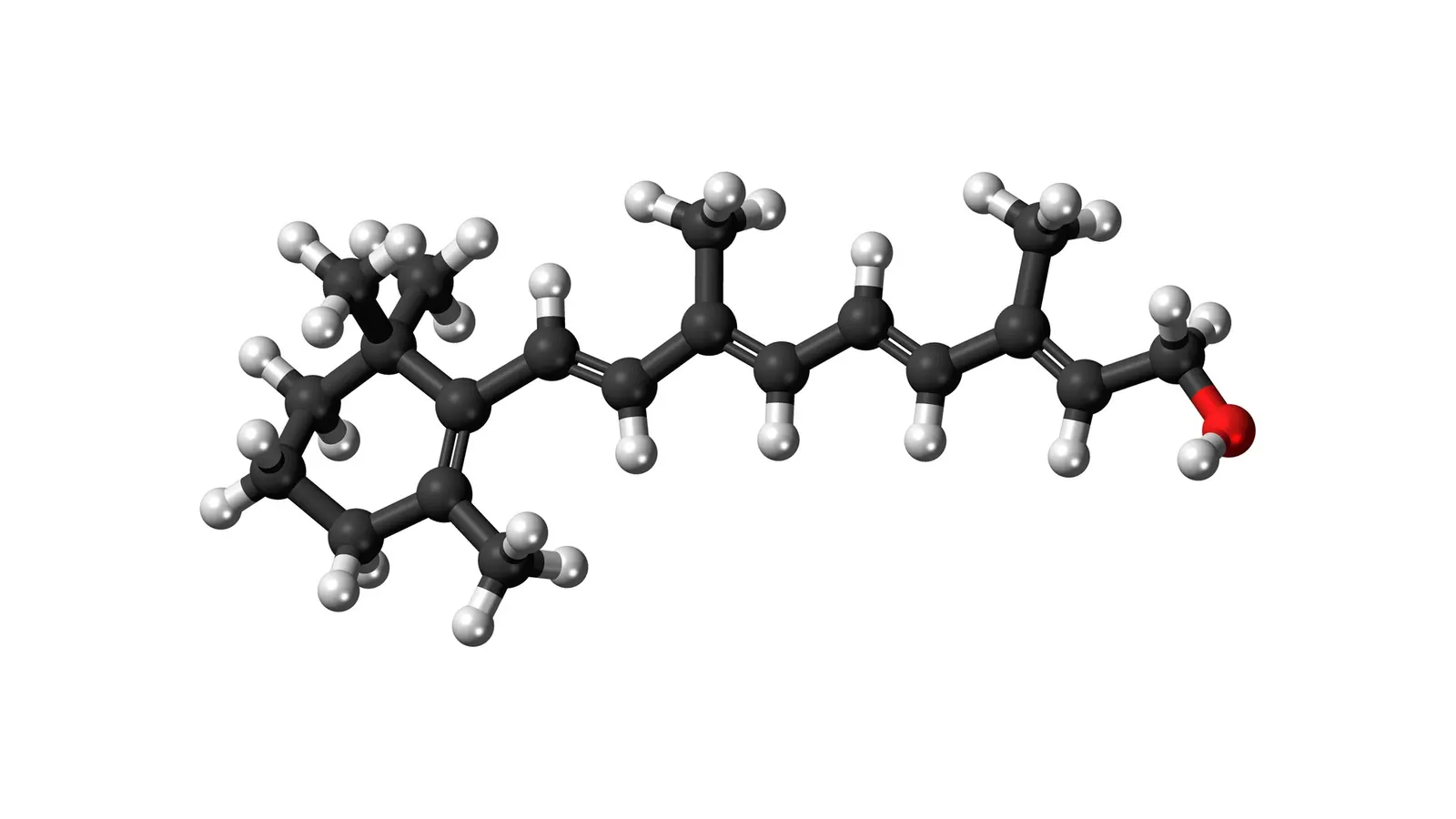

Can you use retinol on sensitive skin? Often, yes: retinol for sensitive skin works best if you start low and go slow. Retinol is a form of vitamin A that improves fine wrinkles, but it commonly causes redness, peeling, dryness and stinging, especially in the first weeks. Sensitive skin usually does better with a low strength used a few nights a week, plenty of moisturizer and daily sunscreen. MedlinePlus advises against putting tretinoin, the prescription retinoid, on skin with eczema or sunburn, so if your skin is inflamed right now, calm that first.
Retinol side effects
Retinoids work, and they irritate. A review by Mukherjee and colleagues names burning, scaling and dermatitis as the side effects that limit their use. The common ones are:
- Redness and peeling.
- Dryness and tightness.
- Stinging or burning when you apply other products.
That irritation is a real biological response, not just dryness: in lab work, Kim and colleagues traced retinol irritation to inflammatory signals released by skin cells. In a trial by Dhaliwal and colleagues, people using 0.5% retinol reported more scaling and stinging than those using a plant-based alternative.
Retinol burn
“Retinol burn” is the nickname for a strong reaction: raw, red, peeling skin that stings with water. It usually means too much, too often, or retinol on top of other actives; MedlinePlus tells tretinoin users not to combine it with products such as salicylic acid or benzoyl peroxide unless a doctor says so. Stop retinol and keep the routine plain: MedlinePlus advice for irritated skin is to wash off and avoid the irritant and to use moisturizers, which help the skin repair itself. Our guide to skin barrier repair covers the recovery routine. MedlinePlus lists swelling and blistering among the tretinoin side effects to tell a doctor about if they are severe or don’t go away, and itching, rash or hives as reasons to call a doctor right away.
How to start using retinol
- Pick a low strength. A 0.4% retinol lotion in the Kafi trial improved fine wrinkles on the arms of adults with an average age of 87, so higher isn’t always necessary.
- Use a small amount at night, a few nights a week. In the Kafi trial, study staff applied it up to three times a week. Increase only if your skin stays calm.
- Apply a thin layer to dry skin. MedlinePlus advice for tretinoin is to keep it out of the eyes, the mouth and the corners of the nose.
- Moisturize. MedlinePlus notes that a doctor may suggest a moisturizer for dryness; a plain fragrance free moisturizer before or after retinol can soften the sting.
- Wear sunscreen every morning. MedlinePlus advises sunscreen and avoiding unnecessary sun while using tretinoin. Our guide to hypoallergenic sunscreen helps you pick one.
- Don’t add other topical products. MedlinePlus tells people using tretinoin not to add other topical products such as salicylic acid or benzoyl peroxide unless a doctor says so. If you also use vitamin C, see vitamin C serum for sensitive skin.
- Try a new product on a small area first and wait at least 2 days: MedlinePlus notes that allergic reactions often appear 24 to 48 hours after contact, and asks people who reacted to a home test to bring the product to their patch-test appointment. Our patch test skincare guide explains the method.
- Pregnant, planning a pregnancy or breastfeeding? Ask your doctor first. MedlinePlus tells tretinoin users to tell their doctor in these cases.
Retinol vs retinal
Retinol and retinal (retinaldehyde) are both precursors that the skin converts into retinoic acid, the active form. According to Sorg and colleagues, retinal is fairly well tolerated and seems to be the most effective of the over-the-counter retinoids, while retinol and retinyl esters gave only modest results. Mukherjee and colleagues also rank retinal and retinol as considerably less irritating than prescription retinoids. For sensitive skin, that makes retinal an option to consider, introduced as slowly as retinol.
Retin-A vs retinol
Retin-A is a brand of tretinoin, which is retinoic acid itself and needs a prescription in the US. It’s the most studied retinoid for aging skin and also the most irritating. Kong and colleagues compared the two directly: retinol caused similar changes in skin structure and collagen genes, though smaller ones, and reduced facial wrinkles over 12 weeks. In a split-face trial, McDaniel and colleagues found that a conjugated retinoid caused less redness than 1.0% retinol and was better tolerated than both 1.0% retinol and 0.025% tretinoin. For sensitive skin, retinol is usually the gentler place to start; tretinoin is a decision to make with a dermatologist.
Encapsulated retinol
Encapsulated retinol is wrapped in tiny carriers meant to release it slowly and protect it from breaking down. A review by Narsa and colleagues lists encapsulation, nanoparticles and carrier systems as ways to reduce retinoid irritation, along with adding soothing, barrier-supporting and hydrating ingredients to the formula. It’s a sensible choice for sensitive skin, but strength and frequency still matter more than the delivery system.
Bakuchiol vs retinol
Bakuchiol is a plant compound marketed as a gentle retinol alternative. In the 12-week randomized trial by Dhaliwal and colleagues, 44 people used either bakuchiol 0.5% twice daily or retinol 0.5% daily. Both reduced wrinkles and pigmentation with no significant difference between them, and the retinol group reported more scaling and stinging. It’s one small trial, but bakuchiol is a reasonable option if retinol never settles down on your skin. As with any plant extract, patch test first, and check whether the product also contains fragrance (see fragrance allergy).
More in Skincare
What Does Hypoallergenic Mean on a Label? The Legal Answer
What does hypoallergenic mean? In the US it has no legal definition for cosmetics, detergents or jewelry. What the FDA says and which signals count.
Fragrance Free vs Unscented: Why the Difference Matters
Fragrance free vs unscented: unscented products can hide masking fragrance, and fragrance-free ones may still contain scented plant oils. Read the label.
Fragrance Free Moisturizer for Sensitive Skin: How to Choose
How to choose a fragrance free moisturizer for sensitive or eczema-prone skin: ointments vs creams, barrier-repair ingredients and common irritants.
Hypoallergenic Makeup for Sensitive Eyes: What to Look For
Hypoallergenic makeup for sensitive eyes: how to choose mascara, liner and shadow when your eyelids itch or water, and the hygiene habits that matter most.
Sources & further reading
- Clinical Interventions in Aging — Mukherjee and colleagues, 2006: review: burning, scaling and dermatitis limit retinoid use; tretinoin and tazarotene are the most irritating, while retinaldehyde and retinol are considerably less irritating. DOI: 10.2147/ciia.2006.1.4.327.
- Dermatologic Therapy — Sorg and colleagues, 2006: retinaldehyde, retinol and retinyl esters are converted to retinoic acid in a controlled way; retinaldehyde is fairly well tolerated and seems the most effective cosmetic retinoid. DOI: 10.1111/j.1529-8019.2006.00086.x.
- Journal of Cosmetic Dermatology — Kong and colleagues, 2016: retinol caused changes in skin structure and collagen genes similar to retinoic acid, though smaller, and reduced facial wrinkles after 12 weeks. DOI: 10.1111/jocd.12193.
- Archives of Dermatology — Kafi and colleagues, 2007: randomized trial in 36 older adults: 0.4% retinol lotion improved fine wrinkles and increased collagen production after 24 weeks. DOI: 10.1001/archderm.143.5.606.
- Toxicology Letters — Kim and colleagues, 2003: retinol irritation (redness and peeling) is driven mainly by inflammatory signals MCP-1 and IL-8 released by skin cells. DOI: 10.1016/j.toxlet.2003.09.001.
- British Journal of Dermatology — Dhaliwal and colleagues, 2019: 12-week randomized trial in 44 people: bakuchiol 0.5% and retinol 0.5% both reduced wrinkles and pigmentation; retinol users reported more scaling and stinging. DOI: 10.1111/bjd.16918.
- Journal of Cosmetic Dermatology — McDaniel and colleagues, 2017: split-face trial in 48 women: a conjugated retinoid caused less redness than 1.0% retinol and was better tolerated than both 1.0% retinol and 0.025% tretinoin. DOI: 10.1111/jocd.12381.
- Dermatology Research and Practice — Narsa and colleagues, 2024: review of ways to reduce retinoid irritation: encapsulation, nanoparticles and carriers, plus anti-irritant, barrier and hydrating ingredients. DOI: 10.1155/2024/5551774.
- MedlinePlus (U.S. National Library of Medicine) — Tretinoin topical: apply a thin layer to dry skin, keep it out of the eyes, mouth and corners of the nose and off sunburned or eczema skin; avoid other harsh topicals unless a doctor directs; use sunscreen; side effects include dryness, burning, stinging, peeling and redness; tell your doctor if pregnant, planning pregnancy or breastfeeding.
- MedlinePlus (U.S. National Library of Medicine) — Contact dermatitis: an allergy forms only after repeated exposure and usually shows 24 to 48 hours after contact; bring any product you reacted to in a home test to patch testing; treatment includes washing with plenty of water, avoiding the substance and emollients that help skin repair.