Hand Cream for Eczema: How to Choose and Use It
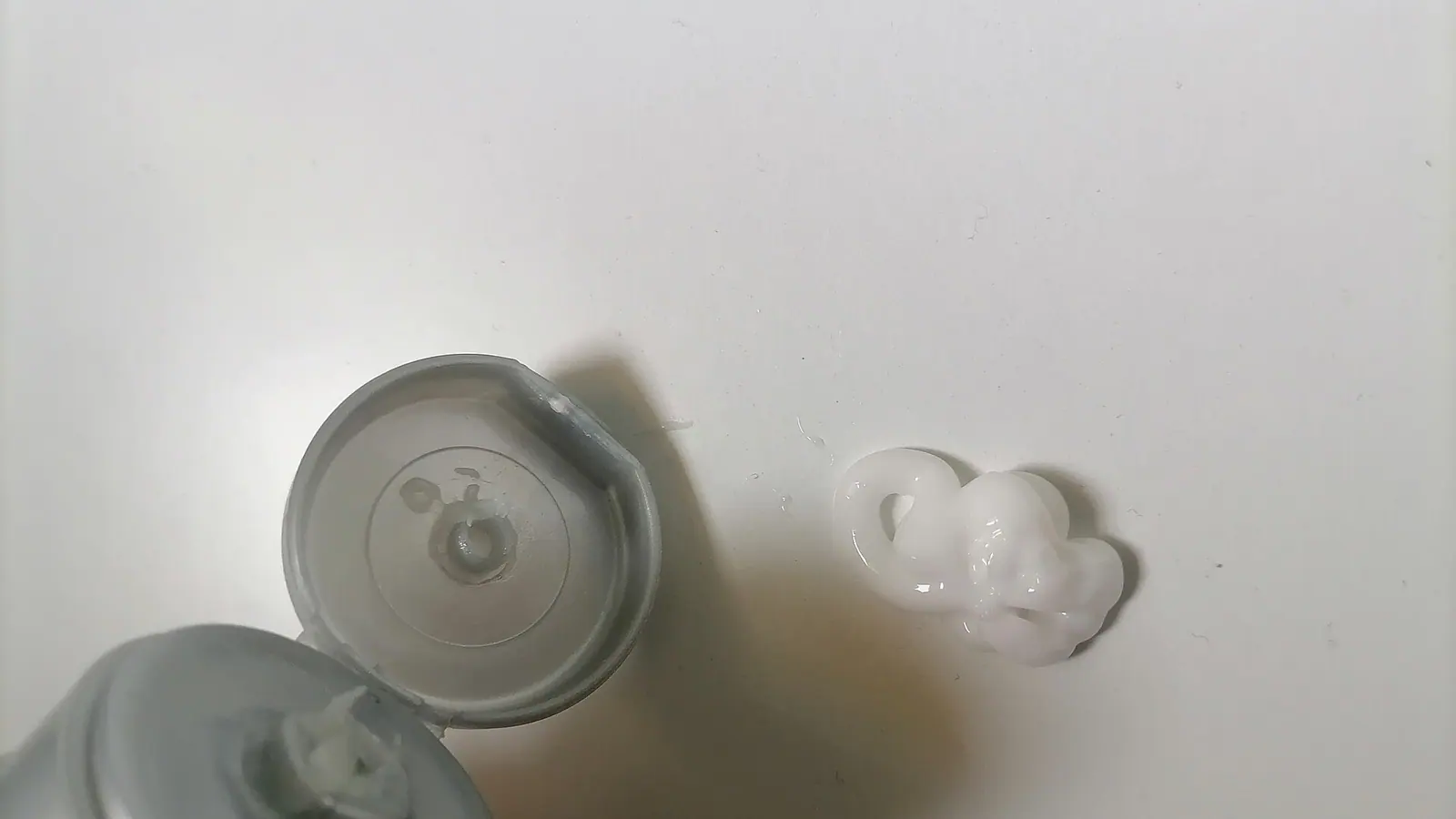

What is the best hand cream for eczema? The best hand cream for eczema is a fragrance-free moisturizer without any preservative you’re allergic to, used regularly. A scented cream can make eczema worse, because fragrance is one of the most common skin allergens. If your hands crack, blister or itch despite a good cream, you likely need a doctor’s treatment as well.
Hand eczema: why hands flare
Hand eczema is very common. A meta-analysis of 66 studies covering more than half a million people found that 14.5% get it at some point in life and 9.1% in any given year, with women affected 1.5 to 2 times more often than men. About a third of people with hand eczema have a history of atopic dermatitis.
The cause is often a mix of things, as a review in the New England Journal of Medicine explains: irritants such as water, soap and detergents, allergens, and an underlying tendency to eczema. MedlinePlus describes the two contact types: irritant dermatitis from repeated damage and allergic dermatitis from a specific ingredient. Our hand eczema guide covers the types, triggers and prescription treatments in detail.
Fragrance free hand cream
A hand cream goes on many times a day and stays on, so its ingredients matter more than most products. Two groups cause most allergic reactions:
- Fragrance. Up to 4.5% of adults are allergic to fragrance materials, and 20% to 25% of people patch tested for dermatitis (Dermatitis). Choose “fragrance free,” not just “unscented”: the FDA notes that unscented products can contain masking fragrance.
- Preservatives. Methylisothiazolinone (MI) was the most common positive patch test after nickel in a recent North American study, at 11.5% (Dermatitis). Our page on preservatives explains how it’s named on labels.
Best lotion for eczema on hands: what to look for
| Look for | Avoid |
|---|---|
| “Fragrance free” on the label | Fragrance, parfum, essential oils, botanical extracts |
| A texture you’ll actually use many times a day | Strongly scented “spa” creams |
| Short ingredient list | Methylisothiazolinone and any allergen you know |
| A size you’ll carry and use after each wash | “Natural” scents such as lavender or citrus |
Using it regularly is what counts. In a Cochrane review of trials in workers with wet or dirty jobs, 13% of those who used moisturizers developed hand dermatitis, compared with 19% of those who didn’t; the reviewers rated the evidence as low quality. Barrier creams on their own made little difference. If you’re curious about the silicone in many barrier creams, see our dimethicone guide. Our guide to fragrance free moisturizer covers body and face options.
Eczema on fingers
Fingers take the brunt of water, soap and detergents, which are the classic irritants behind hand eczema. To protect them:
- Gloves for wet work. Avoiding irritants, for example with impermeable gloves for washing up and cleaning, is first-line care (NEJM).
- Gentle hand washing. Frequent washing, detergents and disinfectants all irritate hands (Industrial Health). Our guide to fragrance free hand soap explains which cleansers are gentlest.
- Cream used regularly. Emollients are part of first-line care for hand eczema (NEJM).
If an alcohol hand sanitizer burns, it’s a sign your skin barrier is already damaged; alcohol itself irritates very little (Industrial Health).
Dyshidrotic eczema
Dyshidrotic eczema, also called pompholyx, causes itchy, small, tense blisters on the palms, soles and sides of the fingers. A review in Current Problems in Dermatology links it to sweating and to the spring allergy season, and considers metal allergy an important possible cause, since some patients improve when the metal is removed. Our nickel allergy guide covers the most common metal allergen. A fragrance-free cream helps the dry, peeling phase, but blistering flares usually need a doctor. Our dyshidrotic eczema guide covers triggers and treatment in detail.
Hand eczema treatment
When moisturizer and gloves aren’t enough, the next step is medical. Initial management is avoiding irritants or allergens, emollients and potent topical steroid creams, according to the NEJM review. See a doctor if your hands crack, blister, bleed or don’t improve with careful care. If an allergy is suspected, patch testing can find it, as MedlinePlus explains.
More in Personal care
Hypoallergenic Sunscreen: Mineral vs Chemical Filters
Hypoallergenic sunscreen: why zinc oxide and titanium dioxide rarely cause allergy, which chemical filters react most, and how to read Drug Facts.
Hypoallergenic Hair Dye: PPD-Free Options and the Skin Test
Hypoallergenic hair dye and PPD-free claims: what causes hair dye allergy, how to do the skin test on the label, and when to see a doctor before you color.
Hypoallergenic Deodorant: How to Choose for Sensitive Skin
Hypoallergenic deodorant for sensitive underarms: why fragrance causes most reactions, deodorant vs antiperspirant, baking soda, and what to use instead.
Hypoallergenic Shampoo: Ingredients to Avoid and How to Pick
Hypoallergenic shampoo: what the label really means, common allergens such as fragrance and preservatives, signs of a reaction, and how to choose.
Sources & further reading
- Contact Dermatitis — Quaade and colleagues, 2021: meta-analysis of 66 studies (568,100 people): lifetime prevalence of hand eczema 14.5%, 1-year 9.1%; 1.5 to 2 times more common in women; about a third have a history of atopic dermatitis. DOI: 10.1111/cod.13804.
- New England Journal of Medicine — Coenraads, 2012: hand eczema often has several causes; initial management is avoiding irritants or allergens (for example with impermeable gloves), emollients and potent topical steroids. DOI: 10.1056/NEJMcp1104084.
- Cochrane Database of Systematic Reviews — Bauer and colleagues, 2018: nine trials (2,888 workers); in 3 studies (507 people), 13% of moisturizer users vs 19% of controls developed hand dermatitis, a possibly important but imprecise effect (low-quality evidence); barrier creams alone made little difference. DOI: 10.1002/14651858.CD004414.pub3.
- Current Problems in Dermatology — Nishizawa, 2016: dyshidrotic eczema (pompholyx): itchy, small tense blisters on palms, soles and sides of fingers, linked to sweating and the spring allergy season; metal allergy is an important possible cause. DOI: 10.1159/000446785.
- Industrial Health — Kampf and Löffler, 2007: irritant hand dermatitis comes from frequent hand washing, gloves, disinfectants and detergents; alcohol rubs have only marginal irritation potential, and burning on use suggests the skin barrier is already damaged. DOI: 10.2486/indhealth.45.645.
- Dermatitis — de Groot, 2020: fragrance allergy review: up to 4.5% of adults allergic to fragrance materials, 20% to 25% of patients patch tested for dermatitis. DOI: 10.1097/DER.0000000000000463.
- Dermatitis — Houle and colleagues, 2025: in 3,056 patients patch tested at 12 North American centers (2021-2022), methylisothiazolinone was the most common positive after nickel (11.5%). DOI: 10.1089/derm.2024.0474.
- U.S. Food and Drug Administration — Fragrances in cosmetics: products labeled unscented may contain masking fragrance, and fragrance can be listed simply as "Fragrance".
- MedlinePlus (U.S. National Library of Medicine) — Contact dermatitis: irritant vs allergic types; patch testing finds the cause; treatment includes avoiding the substance and emollients.