Hand Eczema: Causes, Types and Treatment
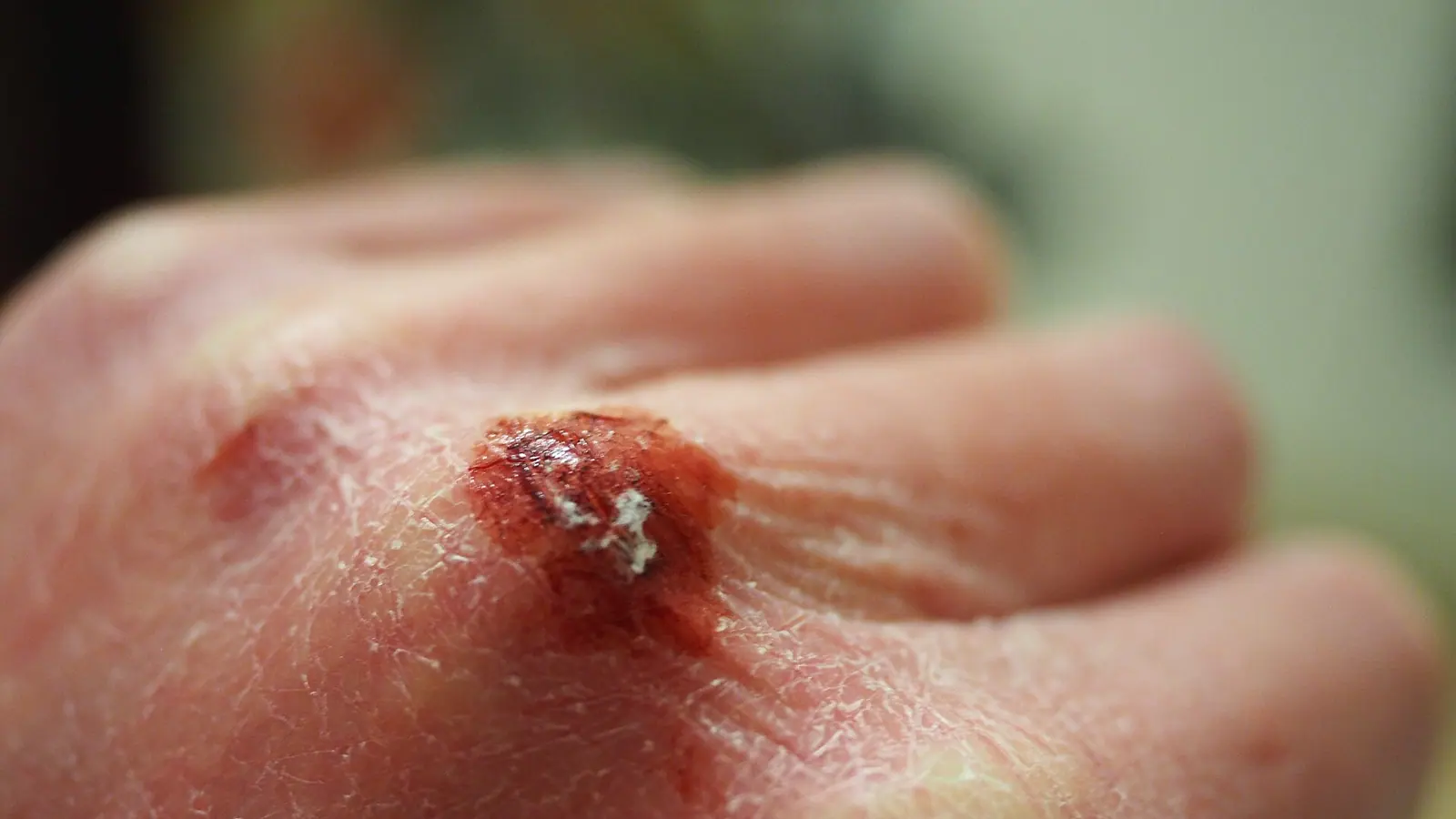

What is hand eczema? Hand eczema, also called hand dermatitis, is inflammation of the skin on the hands: dry, red, itchy, scaly or cracked patches, sometimes with small blisters. It usually comes from a mix of a sensitive skin barrier and something the hands touch every day, such as water, soap, gloves or a product you’re allergic to. It isn’t contagious, and protecting the skin plus the right cream controls it for most people.
It’s very common. A meta-analysis of 66 studies with over half a million people found that 14.5% get hand eczema at some point in life and 9.1% in any given year. It’s 1.5 to 2 times more common in women, usually starts in the early to mid twenties, and more than a third of cases are moderate or severe.
Atopic dermatitis hands
People with atopic dermatitis (the common, itchy eczema that often starts in childhood) are much more likely to get hand eczema: about four times more likely in a meta-analysis. About a third of people with hand eczema have a history of atopic dermatitis (Quaade), and in adults, atopic eczema can show up only on the hands (MedlinePlus). The meta-analysis authors advise steering people with atopic dermatitis away from jobs with a high risk of hand eczema (Ruff).
Contact dermatitis hands
Contact dermatitis often occurs on the hands, because the hands touch everything (MedlinePlus). There are two kinds, and many people have both:
- Allergic contact dermatitis is an immune reaction to something specific, such as a fragrance, a preservative, nickel or rubber chemicals in gloves. The rash usually appears 24 to 48 hours after contact (MedlinePlus). Our guides to contact dermatitis, nickel allergy and latex allergy cover the common culprits.
- Irritant contact dermatitis is damage from repeated exposure, with no allergy involved.
Hand eczema that lasts more than 3 months despite treatment should be patch tested to rule out an allergy (Weisshaar).
Irritant hand dermatitis
Irritant dermatitis is the most common type of contact dermatitis (MedlinePlus). Soaps, detergents, solvents, cleaning products and rubber gloves wear down the skin barrier a little more each day. People with atopic dermatitis are at higher risk.
Hand eczema causes
Two risk factors stand out: atopic dermatitis and wet work, meaning hands that are wet or gloved for long periods or washed many times a day (Bissonnette). Hand washing matters: in a meta-analysis of 45 studies, washing at least 8 to 10 times a day raised the risk of hand eczema by about half, and 15 to 20 times a day raised it more. Alcohol-based hand sanitizer wasn’t significantly linked to hand eczema in the same analysis. A fragrance-free hand soap also helps.
Winter eczema on hands
Cold, dry winter air makes eczema worse (MedlinePlus), and hands get the worst of it: wind, dry indoor heat and more hand washing during cold and flu season. Wear gloves outdoors and moisturize after every wash.
Stress related eczema on hands
Emotional stress is one of the things that can make atopic eczema worse (MedlinePlus).
Eczema rash on hand
Hand eczema can affect the palms, the backs of the hands, the fingers, the fingertips and the wrists, on one or both hands (Bissonnette). It’s called chronic when it lasts more than 3 months or comes back at least twice a year (Weisshaar).
Eczema on palms
Eczema on the palms can look like dry, thickened, cracked skin. Tiny itchy blisters on the palms and the sides of the fingers suggest dyshidrotic eczema, a blistering type of hand eczema.
Eczema on knuckles
Eczema on the knuckles and the backs of the fingers is part of the same picture: hand eczema can involve the backs of the hands as well as the palms (Bissonnette). Because the skin there stretches every time you make a fist, dry patches tend to split, so moisturize after each wash and wear gloves for wet chores.
Hand dermatitis treatment
The NEJM review sets out the first steps for most hand eczema:
- Avoid irritants and allergens, for example with gloves for wet work and cleaning.
- Moisturize often with a thick, fragrance-free cream, especially after washing. Our hand cream for eczema guide explains what to look for.
- Treat flares with a steroid cream, usually a strong one for the thick skin of the hands, as your doctor directs.
Treatment works best when the cause is found and avoided at home and at work, together with skin care and protection education (Weisshaar).
Severe eczema on hands
For moderate to severe chronic hand eczema that steroid creams don’t control, doctors have newer options:
- Delgocitinib cream, a non-steroid prescription cream approved for adults with moderate to severe chronic hand eczema (prescribing information). In two trials, 20% to 29% of people had clear or almost clear hands after 16 weeks, against 7% to 10% with the plain cream base (Lancet).
- Dupilumab, an injection approved for atopic eczema but not specifically for hand eczema: in a review of 374 patients, 80% with chronic hand eczema improved.
- Light therapy or medicines taken by mouth, chosen by a dermatologist (Weisshaar).
See a doctor if your hands crack and bleed, blisters fill with pus, the skin gets hot and swollen, or eczema keeps you from working.
More in Personal care
Hypoallergenic Sunscreen: Mineral vs Chemical Filters
Hypoallergenic sunscreen: why zinc oxide and titanium dioxide rarely cause allergy, which chemical filters react most, and how to read Drug Facts.

Hypoallergenic Hair Dye: PPD-Free Options and the Skin Test
Hypoallergenic hair dye and PPD-free claims: what causes hair dye allergy, how to do the skin test on the label, and when to see a doctor before you color.
Hypoallergenic Deodorant: How to Choose for Sensitive Skin
Hypoallergenic deodorant for sensitive underarms: why fragrance causes most reactions, deodorant vs antiperspirant, baking soda, and what to use instead.

Hypoallergenic Shampoo: Ingredients to Avoid and How to Pick
Hypoallergenic shampoo: what the label really means, common allergens such as fragrance and preservatives, signs of a reaction, and how to choose.
Sources & further reading
- Contact Dermatitis — Quaade and colleagues, 2021: meta-analysis of 66 studies (568,100 people): lifetime prevalence of hand eczema 14.5%, 1-year 9.1%, point 4.0%; 1.5 to 2 times more common in women; more than a third moderate or severe; about a third had a history of atopic dermatitis; average onset in the early to mid twenties. DOI: 10.1111/cod.13804.
- British Journal of Dermatology — Ruff and colleagues, 2018: meta-analysis of 26 studies: atopic dermatitis was linked to a strongly higher prevalence of hand eczema (1-year odds ratio 4.29, lifetime 4.06), including occupational hand eczema. DOI: 10.1111/bjd.16147.
- Contact Dermatitis — Loh and Yew, 2022: meta-analysis of 45 studies: washing hands at least 8 to 10 times daily raised the risk of hand eczema (relative risk 1.51), and 15 to 20 times daily more (1.66); alcohol-based hand rub was not significantly linked to hand eczema. DOI: 10.1111/cod.14133.
- Journal of the American Academy of Dermatology — Bissonnette and colleagues, 2025: hand eczema review, part 1: also called hand dermatitis; atopic dermatitis and wet work are two important risk factors; it can affect palms, backs of the hands, fingers, fingertips and wrists; work-up includes patch testing. DOI: 10.1016/j.jaad.2024.09.048.
- American Journal of Clinical Dermatology — Weisshaar, 2024: chronic hand eczema: hand eczema lasting longer than 3 months or relapsing at least twice a year; treatment starts with finding the cause plus topical, systemic or light treatment; allergic contact dermatitis should be ruled out if it persists more than 3 months; skin protection education. DOI: 10.1007/s40257-024-00890-z.
- The New England Journal of Medicine — Coenraads, 2012: hand eczema review: initial management is avoiding irritants and allergens (for example with impermeable gloves), emollients and potent topical steroids. DOI: 10.1056/NEJMcp1104084.
- The Lancet — Bissonnette and colleagues, 2024: DELTA 1 and DELTA 2 phase 3 trials (960 adults with moderate to severe chronic hand eczema): clear or almost clear skin at 16 weeks in 20% and 29% with delgocitinib cream vs 10% and 7% with the plain cream base; side effects similar to the base. DOI: 10.1016/S0140-6736(24)01027-4.
- DailyMed (U.S. National Library of Medicine) — Prescribing information for delgocitinib cream: indicated for moderate to severe chronic hand eczema in adults who responded poorly to topical steroids or can't use them.
- Dermatitis — Riva and colleagues, 2026: systematic review of 22 publications (374 patients): 80% of people with chronic hand eczema improved partly or fully on dupilumab within 4 to 16 weeks; conjunctivitis was the most common side effect. DOI: 10.1089/derm.2024.0186.
- MedlinePlus (U.S. National Library of Medicine) — Contact dermatitis: irritant dermatitis is the most common type, from soaps, detergents, solvents, rubber gloves and other irritants; people with atopic dermatitis are at higher risk; allergic contact dermatitis from fragrances, nickel, rubber, preservatives and other allergens, usually 24 to 48 hours after exposure; it often occurs on the hands.
- MedlinePlus (U.S. National Library of Medicine) — Atopic eczema: worsened by cold and dry winter air, irritants, frequent washing, emotional stress, wool, perfumes and dyes in lotions and soaps; in adults the rash may be limited to the hands.