Fragrance Free Hand Soap for Sensitive Skin
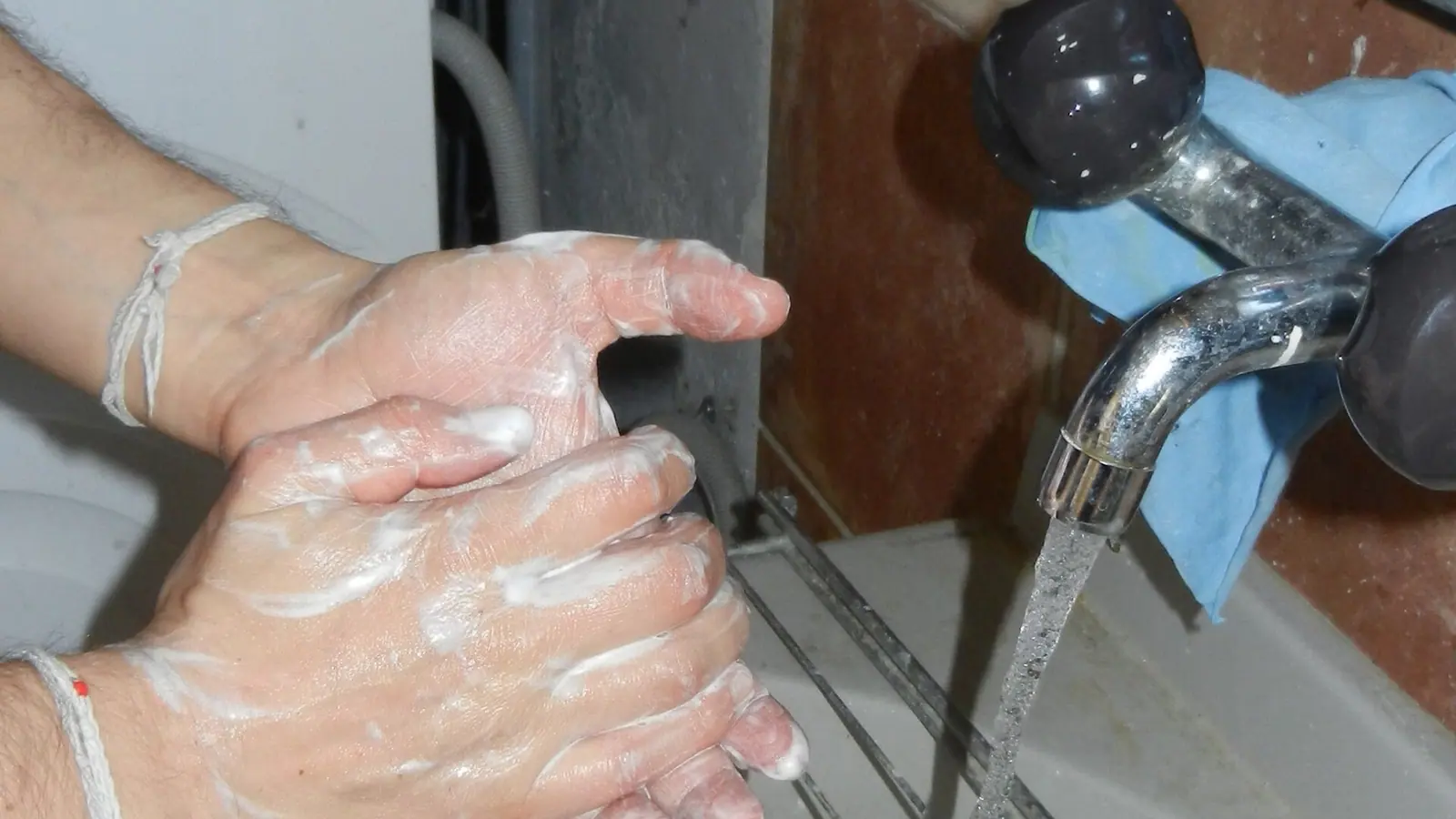

What is the best fragrance free hand soap? For sensitive skin, the best hand soap is labeled fragrance free (not just unscented), has a short ingredient list, and contains none of the preservatives or foaming agents you react to. You don’t need an antibacterial formula: the FDA says plain soap and water work for everyday handwashing.
Hand soap is one of the few products you may use many times a day. A small amount of an allergen, repeated that often, is enough to start or keep a rash going.
Hypoallergenic hand soap: what to avoid
“Hypoallergenic” isn’t a regulated term, so the ingredient list is the real test. These ingredients cause most allergic reactions to hand soap:
| Ingredient | Evidence |
|---|---|
| Fragrance, parfum, essential oils | Up to 4.5% of adults are allergic to fragrance materials |
| Methylisothiazolinone (MI) | All 10 MI-allergic people reacted to a hand soap at 100 ppm, the EU limit in 2015 |
| Cocamide DEA | 1% of patients tested were allergic, all with hand dermatitis |
Sources: de Groot, Yazar and colleagues, Mertens and colleagues.
The MI finding is worth a closer look. In a blinded test published in the British Journal of Dermatology, people allergic to MI applied liquid hand soap to a patch of forearm skin five times a day. Ten of ten reacted to soap with 100 ppm MI (the EU maximum at the time) and seven of nine to 50 ppm, while no one reacted to the same soap without MI. Rinsing off doesn’t make an allergen safe. MI is also the second most common patch test allergen in North America after nickel (Dermatitis); our page on preservatives shows how it’s named.
Unscented hand soap vs fragrance free
- Fragrance free: no fragrance added, for scent or for masking.
- Unscented: no noticeable smell, but the FDA explains that a masking fragrance may be added to cover other ingredients’ odor.
If you have a fragrance allergy, choose fragrance free and check that the list doesn’t include “fragrance,” “parfum” or essential oils. Our guide to fragrance free vs unscented explains the labels in more detail.
Unscented antibacterial soap: do you need it?
No. In 2016 the FDA stopped 19 antibacterial ingredients, including triclosan and triclocarban, from being sold in consumer hand soaps, bar soaps and body washes, because makers hadn’t shown they were safe for long-term daily use or better than plain soap and water (FDA). Three ingredients, benzalkonium chloride, benzethonium chloride and chloroxylenol, were left on the market while new data are collected, which is why some antibacterial soaps are still sold.
For everyday use, the CDC recommends washing with soap and clean running water, and a hand sanitizer with at least 60% alcohol when soap and water aren’t available.
Hand soap for sensitive skin and eczema
Washing itself can be the problem. Frequent hand washing, detergents and disinfectants are leading causes of irritant hand dermatitis, while alcohol rubs irritate very little; if an alcohol rub burns, the skin barrier is already damaged (Industrial Health). To protect sensitive hands:
- Use a fragrance-free soap and rinse it off well.
- Pat dry and apply a fragrance-free hand cream right away. Our guide to hand cream for eczema covers what to look for, and our hand eczema guide explains why frequent washing triggers flares.
- When soap and water aren’t available, use an alcohol hand sanitizer, as the CDC advises; alcohol itself irritates skin very little.
Our guide to hypoallergenic soap compares true soap bars with syndet cleansers for the body and face.
More in Personal care
Hypoallergenic Sunscreen: Mineral vs Chemical Filters
Hypoallergenic sunscreen: why zinc oxide and titanium dioxide rarely cause allergy, which chemical filters react most, and how to read Drug Facts.
Hypoallergenic Hair Dye: PPD-Free Options and the Skin Test
Hypoallergenic hair dye and PPD-free claims: what causes hair dye allergy, how to do the skin test on the label, and when to see a doctor before you color.
Hypoallergenic Deodorant: How to Choose for Sensitive Skin
Hypoallergenic deodorant for sensitive underarms: why fragrance causes most reactions, deodorant vs antiperspirant, baking soda, and what to use instead.

Hypoallergenic Shampoo: Ingredients to Avoid and How to Pick
Hypoallergenic shampoo: what the label really means, common allergens such as fragrance and preservatives, signs of a reaction, and how to choose.
Sources & further reading
- U.S. Food and Drug Administration — Skip the antibacterial soap: a 2016 final rule removed triclosan, triclocarban and 17 other active ingredients from consumer antiseptic washes because they weren't shown to be safe long term or better than plain soap; benzalkonium chloride, benzethonium chloride and chloroxylenol were left for further study.
- Centers for Disease Control and Prevention — Clean hands: washing with soap and clean running water is one of the best ways to stay healthy; if soap and water aren't available, use a hand sanitizer with at least 60% alcohol.
- U.S. Food and Drug Administration — Fragrances in cosmetics: fragrance is used in soaps and other products, products labeled unscented may contain masking fragrance, and fragrance can be listed simply as "Fragrance".
- British Journal of Dermatology — Yazar and colleagues, 2015: blinded repeated-use test: 10 of 10 MI-allergic people reacted to a liquid hand soap with 100 ppm methylisothiazolinone and 7 of 9 to 50 ppm; no controls reacted and no one reacted to the MI-free soap. DOI: 10.1111/bjd.13751.
- Contact Dermatitis — Mertens and colleagues, 2016: of 1,767 patients patch tested, 18 (1%) were allergic to the foaming agent cocamide DEA, all with hand dermatitis. DOI: 10.1111/cod.12580.
- Industrial Health — Kampf and Löffler, 2007: irritant hand dermatitis comes from frequent hand washing, gloves, disinfectants and detergents; alcohol rubs have only marginal irritation potential, and burning on use suggests the skin barrier is already damaged. DOI: 10.2486/indhealth.45.645.
- Dermatitis — de Groot, 2020: fragrance allergy review: up to 4.5% of adults allergic to fragrance materials, 20% to 25% of patients patch tested for dermatitis. DOI: 10.1097/DER.0000000000000463.
- Dermatitis — Houle and colleagues, 2025: in 3,056 patients patch tested at 12 North American centers (2021-2022), methylisothiazolinone was the most common positive after nickel (11.5%). DOI: 10.1089/derm.2024.0474.