Dimethicone: Is This Silicone Bad for Skin and Hair?
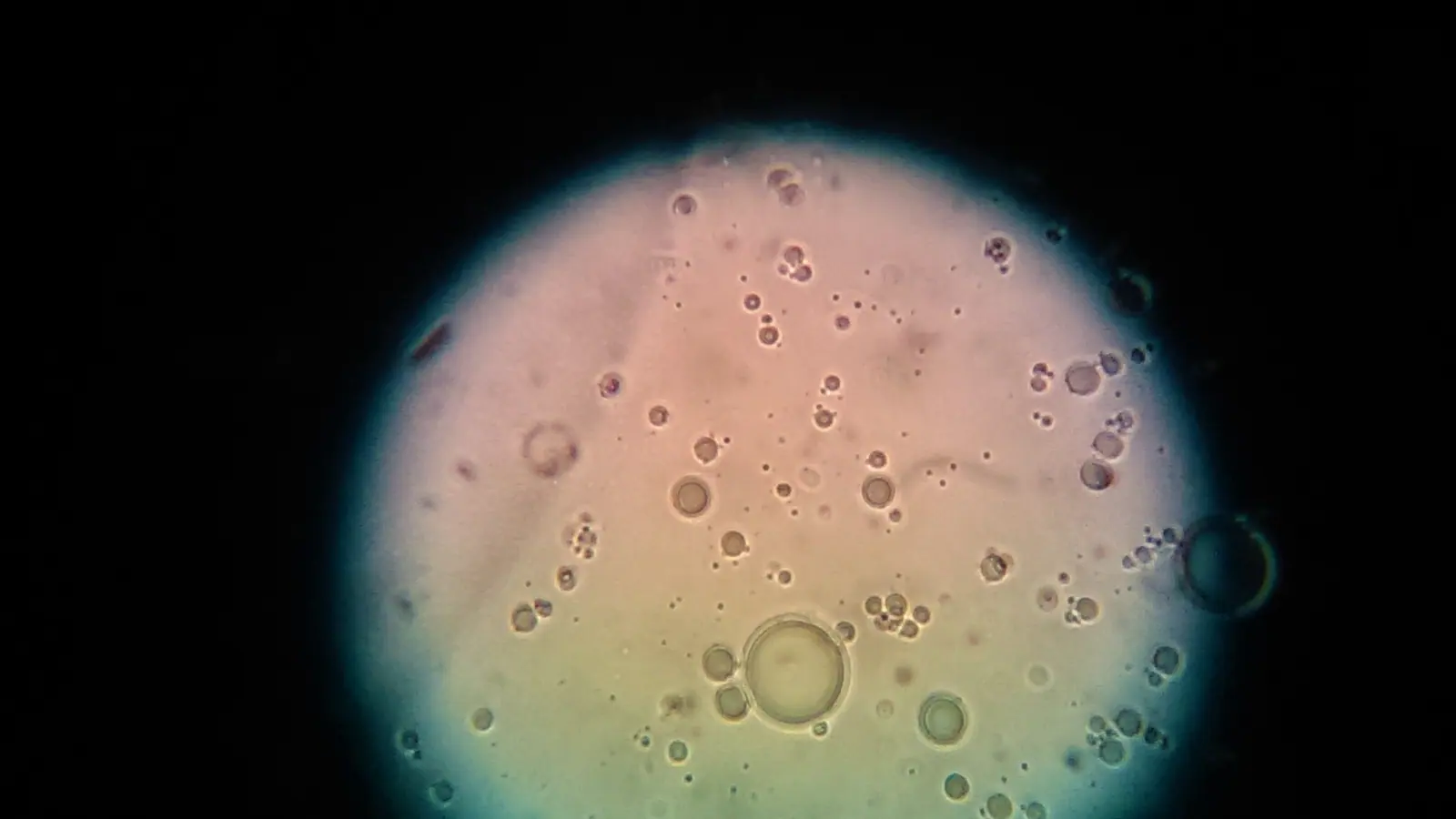

What is dimethicone? Dimethicone is a silicone oil, chemically a chain of repeating silicon and oxygen units with methyl groups attached. In skin care it makes creams glide on, leaves a silky, non-greasy feel and forms a thin film that slows water loss. In hair products it smooths and conditions. True allergy to it is very rare.
You’ll see it on labels as dimethicone, sometimes with a number for its thickness, and as polydimethylsiloxane or PDMS in technical documents.
Dimethicone for skin
Dimethicone is both a cosmetic ingredient and an approved drug ingredient. The FDA lists it among the active ingredients allowed in over-the-counter skin protectants at 1% to 30% of the product (21 CFR 347.10). That’s why you’ll find “dimethicone” under Drug Facts on some hand creams, diaper creams and barrier creams.
In cosmetics, it works mostly as a conditioning agent at up to 15% (International Journal of Toxicology). It’s in moisturizers, primers, foundations and sunscreens, where it makes the product easier to spread and less sticky.
Dimethicone barrier cream
A barrier cream puts a protective film on skin that’s exposed to water, detergents or friction. In a study of 31 adults with long-standing hand dermatitis who kept working in their usual jobs, a protective foam with dimethicone and glycerin improved the skin of 70% over 6 weeks, and more than half cut back on steroid creams (American Journal of Contact Dermatitis). The study had no comparison group, so it shows promise rather than proof. For more on hands, see our guide to hand cream for eczema.
Dimethicone for eczema
Dimethicone doesn’t treat eczema itself, but it fits well in eczema skin care because it protects skin without the irritation some ingredients cause. In the Cosmetic Ingredient Review assessment, it was not absorbed through skin, only minimally irritating in animal tests, and not a sensitizer in animal studies or in a repeated patch test on 83 people (International Journal of Toxicology). Our skin barrier repair guide covers how it combines with humectants and ointments.
Is dimethicone bad?
For skin, the evidence says no. It isn’t absorbed, rarely irritates and almost never causes allergy (CIR). Most complaints about dimethicone online are about how it feels, not about harm. It forms a film on purpose: that film is what makes it a skin protectant in the FDA’s list. What it doesn’t do is replace the rest of a skin care routine; it protects and smooths, and works best alongside a good moisturizer.
Allergy is very rare. A case report described an allergic rash from a modified dimethicone (cetyl PEG/PPG-10/1 dimethicone) in a deodorant cream (Contact Dermatitis), which shows that silicone relatives with added chemical groups behave differently from plain dimethicone. If you react to a product containing dimethicone, fragrance or a preservative is a more likely cause; see our fragrance allergy and contact dermatitis guides.
Dimethicone for hair
In shampoos and conditioners, dimethicone works as a hair conditioning agent (CIR).
Is dimethicone bad for hair?
No harm to hair or scalp has been shown: the safety panel found it non-absorbed and not a sensitizer. Whether you like how a silicone conditioner feels on your hair is a matter of preference rather than safety. Our hypoallergenic shampoo guide covers the scalp ingredients that cause actual allergic reactions.
Dimethicone for lice
Dimethicone is also a head lice treatment. Lotions with 4% dimethicone act on lice physically rather than as a poison, so insecticide resistance shouldn’t affect them (BMJ 2005).
| Trial | Dimethicone | Comparison |
|---|---|---|
| 253 people, two applications (BMJ 2005) | 70% cured | 75% with phenothrin (equivalent) |
| Skin irritation in the same trial | 2% | 9% with phenothrin |
| 90 people (BMC Dermatology 2013) | 69.8% cleared after one 15-minute gel application | 14.9% after two permethrin rinses |
Lower irritation than the insecticide makes it worth asking about if your child has a sensitive scalp. Follow the product’s directions and check with a pharmacist for young children.
Silicone free moisturizer
If you simply prefer to avoid silicones, check the ingredient list for dimethicone and other names ending in -cone or -siloxane (cyclopentasiloxane, amodimethicone, cetyl dimethicone). Silicone-free isn’t more hypoallergenic, though. For sensitive skin, being fragrance free matters far more; our guide to fragrance free moisturizer explains what to look for.
More in Ingredients & materials
Nickel Allergy: Causes, Sources, Rules and Testing
Nickel allergy: why nickel causes allergic contact dermatitis, where it's found, how US and EU rules differ, and how spot tests and patch tests work.

Fragrance Allergy: What 'Fragrance' and 'Parfum' Can Hide
Fragrance allergy: why one word on a label can stand for dozens of chemicals, which allergens dermatologists test for, and US vs EU label rules.

Methylisothiazolinone (MI): A Preservative Allergy Explained
Methylisothiazolinone (MI) and MCI/MI: where they're used, why allergy to them surged, how the EU restricted them, and how to spot them on labels.
Formaldehyde Allergy and Formaldehyde Releasers on Labels
Formaldehyde allergy: which preservatives release formaldehyde, the label names to look for, where else it turns up, and what US and EU rules say.
Sources & further reading
- U.S. Food and Drug Administration (21 CFR 347.10) — Over-the-counter skin protectant active ingredients: dimethicone 1% to 30%, alongside petrolatum, lanolin, zinc oxide and others.
- International Journal of Toxicology — Nair and colleagues, 2003: cosmetic Ingredient Review safety assessment: dimethicone is a mixture of methylated siloxane polymers used mainly as a conditioning agent at up to 15%; not absorbed after oral or skin exposure; minimal irritant in animal tests; not a sensitizer in animal assays or in a human repeated patch test with 83 people. DOI: 10.1080/10915810390204854.
- BMJ — Burgess and colleagues, 2005: randomized trial, 253 people with head lice: 4% dimeticone lotion cured or kept cured 70% versus 75% with phenothrin, an equivalent result; irritant reactions 2% versus 9%; works physically, so insecticide resistance shouldn't affect it. DOI: 10.1136/bmj.38497.506481.8F.
- BMC Dermatology — Burgess and colleagues, 2013: randomized trial, 90 people: one 15-minute application of 4% dimeticone liquid gel cleared head lice in 69.8% versus 14.9% with two applications of 1% permethrin creme rinse. DOI: 10.1186/1471-5945-13-5.
- American Journal of Contact Dermatitis — Fowler, 2000: 31 adults with chronic hand dermatitis used a dimethicone and glycerin protective foam: 70% improved over 6 weeks and 53.6% reduced their steroid cream use; no adverse effects. DOI: 10.1053/ajcd.2000.7184.
- Contact Dermatitis — Pastor-Nieto and colleagues, 2018: case report of allergic contact dermatitis from cetyl PEG/PPG-10/1 dimethicone, a modified dimethicone, in a deodorant cream. DOI: 10.1111/cod.12922.