Allergic Conjunctivitis: Symptoms, Swollen Eyes, Drops
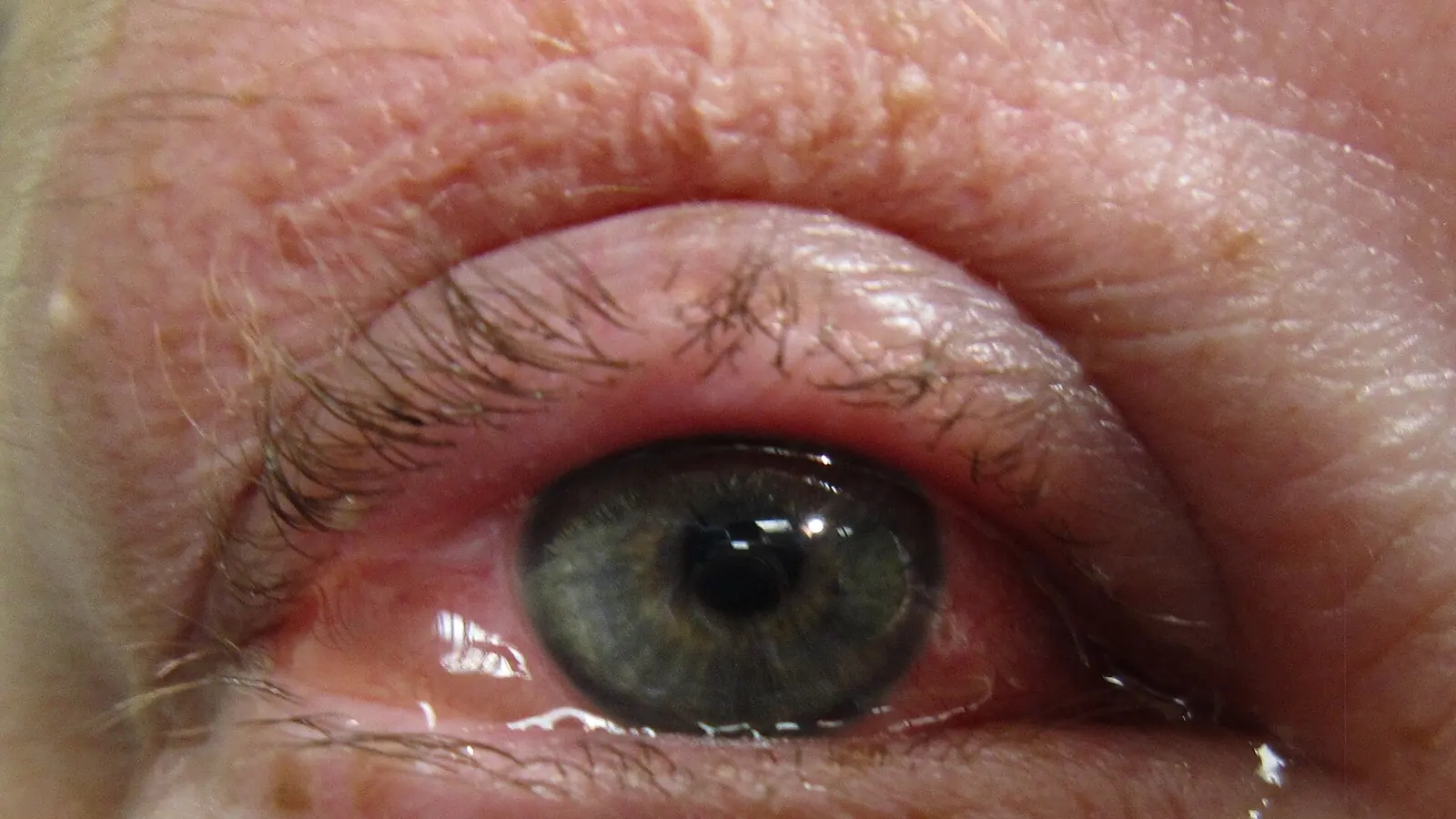

What is allergic conjunctivitis? Allergic conjunctivitis is inflammation of the conjunctiva, the clear lining over the white of the eye and inside the eyelids, caused by an allergy. When pollen, pet dander, mold or dust mites land on the eye, histamine is released and the small blood vessels swell, so the eyes turn red, itchy and teary very quickly (MedlinePlus). It’s uncomfortable but only rarely affects vision (MedlinePlus), and antihistamine eye drops reduce the symptoms.
Allergic conjunctivitis symptoms
MedlinePlus lists these symptoms, which may come and go with the seasons (MedlinePlus):
- intense itching or burning;
- puffy eyelids, most often in the morning;
- red eyes, with visibly widened blood vessels;
- stringy discharge;
- tearing (watery eyes).
Symptoms are often worse when there’s more pollen in the air, which is likelier on hot, dry, windy days (MedlinePlus). If your eyes flare in spring or fall, our guides to pollen allergy and seasonal allergy symptoms cover the nose side of the same allergy. Mold, pet dander and dust mites can cause it too (MedlinePlus); see our dust allergy guide.
There are several forms. Seasonal and perennial allergic conjunctivitis are the common ones; others include contact allergic blepharoconjunctivitis, from products used around the eyes, and vernal and atopic keratoconjunctivitis, which need an eye doctor (Turkish Journal of Ophthalmology). If the eyelid skin itself is red and scaly, see our eyelid dermatitis guide.
Allergy pink eye
“Pink eye” is the everyday name for conjunctivitis, and it most often refers to a contagious viral infection (MedlinePlus). Allergic conjunctivitis looks similar, but it’s a reaction to allergens rather than an infection. Some differences:
| Allergic | Infectious | |
|---|---|---|
| Cause | Pollen, dander, mold, dust mites (MedlinePlus) | Mostly viruses and bacteria (MedlinePlus) |
| Main symptom | Intense itching (MedlinePlus) | Redness, gritty feeling; crusts overnight often mean bacteria (MedlinePlus) |
| Treatment | Avoid triggers, antihistamine drops | Viral usually clears on its own; bacterial may need antibiotic drops (MedlinePlus) |
If you’re not sure which you have, or only one eye is affected and it’s painful, see a doctor.
Swollen eyes allergy
Puffy eyelids, especially in the morning, are a classic sign of allergic conjunctivitis (MedlinePlus). Cool compresses and the treatments below can help (MedlinePlus).
Allergic reaction eye swelling
An allergic reaction can swell the eyes in two ways. Allergic conjunctivitis makes the lids puffy and the eyes itchy, red and watery, usually from pollen, mold, dander or dust mites (MedlinePlus). A reaction to a food, an insect bite or a medicine can instead cause sudden, deeper swelling, called angioedema (MedlinePlus). Itchy, watery eyes in pollen season point to the first; swelling that appears within minutes or hours of something new points to the second. Swelling that keeps coming back for weeks can be part of chronic urticaria.
Angioedema eyes
Sudden, deeper swelling around the eyes is angioedema. It usually affects the eyes and lips, can come with hives, and can be caused by allergies to pollen, dander, foods, insect bites or medicines, though often no cause is found (MedlinePlus). Treatment includes antihistamines, and cool compresses can relieve discomfort. Swelling with trouble breathing or wheezing is an emergency: call 911 (MedlinePlus), as is throat tightness or swelling of the tongue (MedlinePlus). Our hives guide covers swelling that keeps coming back.
Allergic conjunctivitis treatment
The best treatment is to avoid what triggers it as much as you can (MedlinePlus). On high-pollen days that’s hard, so most people also use medicine.
Eye drops for allergic conjunctivitis
- Antihistamine and mast cell stabilizer drops. A Cochrane review of 30 trials found they reduce itching, redness and other signs compared with placebo in the short term, with no serious side effects reported (Cochrane). An earlier meta-analysis found no clear winner between the two types, though antihistamines may work faster (BJGP). Mast cell stabilizers work best if you start before you’re exposed (MedlinePlus).
- Decongestant drops take the red out, but don’t use them for more than 5 days, because redness can rebound (MedlinePlus).
- Steroid drops are for severe reactions and need an eye doctor first, who will check eye pressure (MedlinePlus).
Don’t put drops in with contact lenses in place (MedlinePlus).
Eye allergy treatment at home
- Use lubricating eye drops.
- Put cool compresses on your closed eyes.
- Avoid smoke, including secondhand smoke.
- Take an over-the-counter antihistamine pill or antihistamine eye drops; these can sometimes make the eyes dry (MedlinePlus).
See a doctor if home care and over-the-counter drops don’t help, or if your vision changes (MedlinePlus). For long-term relief from pollen or pet allergy, allergy shots are an option worth asking about.
More in Guides & situations
Hives: What Causes Them and How to Get Rid of Hives
Hives are itchy welts that come and go within hours. See what hives look like, what causes them, which antihistamine helps and when chronic hives need a doctor.
Heat Rash: Symptoms, Treatment and How to Get Rid of It
Heat rash (prickly heat) is blocked sweat ducts, not an allergy. See heat rash symptoms, heat rash vs hives, treatment for adults and how to get rid of it fast.
Poison Ivy Rash: Stages, Treatment and How Long It Lasts
A poison ivy rash is an allergy to urushiol oil. See what poison ivy looks like, the rash stages, if it's contagious, how long it lasts and treatment.
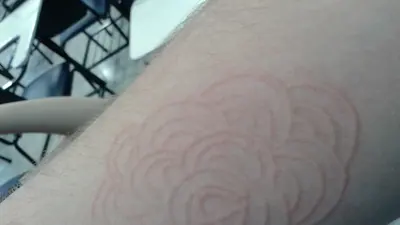
Dermatographia: Skin Writing Causes and Treatment
Dermatographia makes itchy welts rise wherever skin is scratched or rubbed. Learn what causes dermatographia, how skin writing is tested and how it's treated.
Sources & further reading
- Cochrane Database of Systematic Reviews — Castillo and colleagues, 2015: 30 trials, 4,344 participants: topical antihistamines and mast cell stabilizers reduce symptoms and signs of seasonal allergic conjunctivitis compared with placebo in the short term; no serious adverse events reported; no long-term data; itching, redness and tearing are typical. DOI: 10.1002/14651858.CD009566.pub2.
- British Journal of General Practice — Owen and colleagues, 2004: meta-analysis of topical treatments for seasonal allergic conjunctivitis: mast cell stabilizers and antihistamines beat placebo; not enough evidence to prefer one type; antihistamines may act faster.
- Turkish Journal of Ophthalmology — Villegas and Benitez-del-Castillo, 2021: review: allergic conjunctivitis affects children and adults; forms include seasonal and perennial allergic conjunctivitis, giant papillary conjunctivitis, contact allergic blepharoconjunctivitis, vernal and atopic keratoconjunctivitis. DOI: 10.4274/tjo.galenos.2020.11456.
- MedlinePlus (U.S. National Library of Medicine) — Allergic conjunctivitis: histamine swells conjunctival blood vessels; triggers include grass, ragweed and tree pollen, mold, dander and dust mites; symptoms include intense itching or burning, puffy eyelids mostly in the morning, redness, stringy discharge and tearing; avoid triggers, lubricating drops, cool compresses, OTC antihistamine pills or drops; no decongestant drops for more than 5 days; mast cell stabilizer drops work best before exposure; steroid drops need an eye doctor.
- MedlinePlus (U.S. National Library of Medicine) — Conjunctivitis or pink eye: most often caused by viruses and bacteria; pink eye most often refers to a contagious viral infection; crusts overnight most often from bacteria; allergic conjunctivitis may improve when allergies are treated.
- MedlinePlus (U.S. National Library of Medicine) — Hives: call 911 for fainting, shortness of breath, throat tightness, tongue or face swelling, or wheezing.
- MedlinePlus (U.S. National Library of Medicine) — Angioedema: sudden swelling below the skin, usually around the eyes and lips; causes include allergies to dander, foods, insect bites or pollen and medicines; breathing difficulty is an emergency.