Allergic Reaction on Face: Hives, Swelling and Rashes
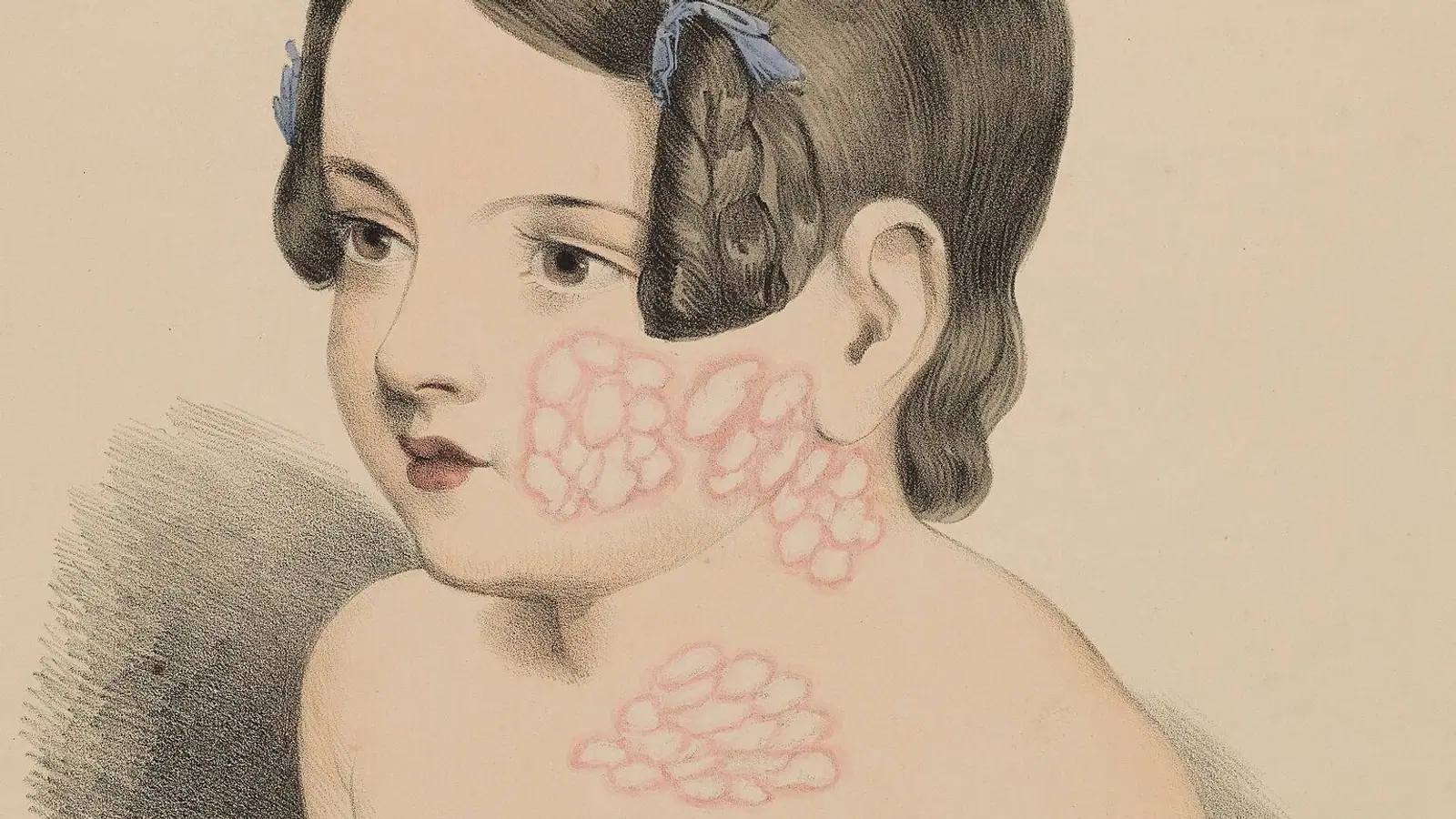

What does an allergic reaction on the face look like? It usually takes one of three forms: hives, raised itchy welts that move around and fade within hours; swelling under the skin, most often of the eyelids or lips; or a rash that is red, itchy and sometimes scaly, from a product or something else that touched your skin. Hives and swelling come on fast. A product rash usually shows up a day or two after contact.
Call 911 if the face swells and you also have swelling of the tongue or throat, trouble breathing or swallowing, wheezing or dizziness. These are signs of anaphylaxis, a whole-body allergic reaction that can be fatal (MedlinePlus).
Face allergy: three types of reaction
| Type | What you see | How fast | Common causes |
|---|---|---|---|
| Hives (urticaria) | Raised, itchy welts that change shape and fade, usually within a day | Minutes to hours | Medicines, infections, foods, insect stings; often no cause found |
| Angioedema | Deeper swelling, often of the eyelids or lips; typically not itchy and may be painful | Minutes to hours | The same triggers as hives; some blood pressure medicines (ACE inhibitors) |
| Allergic contact dermatitis | Red, itchy, sometimes scaly or weepy rash where a product touched | 1 to 2 days after contact | Fragrance, preservatives, hair dye, nail polish, metals |
Sources: MedlinePlus hives, MedlinePlus angioedema, MedlinePlus contact dermatitis.
Random hives on face
Hives are raised welts that come and go, and any single welt rarely lasts more than 48 hours (MedlinePlus). Up to 1 in 5 people get them at some point in life (Kolkhir). On the face they often show up on the cheeks, around the eyes and along the jaw and neck.
Finding the trigger is harder than people expect. In a study of 459 emergency room visits for sudden hives, a cause was found in only 42%; when it was found, it was most often a medicine, then an insect sting, then a food (Losappio). Infections can set off hives too. Hives that keep coming back for more than six weeks are called chronic (Kolkhir), and our chronic urticaria guide covers them. If welts flare on stressful days, see our guide to stress hives, which has a section on the face and neck.
Hives on face treatment
The international guideline starts treatment with a non-drowsy (second-generation) antihistamine, such as cetirizine, loratadine or fexofenadine (Zuberbier). Hot showers and tight collars tend to make hives worse (MedlinePlus), and cool compresses can ease the discomfort of swelling (MedlinePlus). Our hives guide explains the next steps when antihistamines alone aren’t enough.
Allergic reaction face swelling
Swelling of the face from an allergy is usually angioedema: the same reaction as hives, but deeper in the skin. It most often affects the eyelids and lips, can be painful, and is often less itchy than hives (MedlinePlus). It can come with hives or on its own; in the emergency room study, 30% of people with hives also had angioedema (Losappio).
Causes include food, pollen, insect bites and medicines such as antibiotics and NSAID painkillers, though often no cause is found (MedlinePlus). One cause is easy to miss: ACE inhibitor blood pressure medicines (their names end in “-pril”). This swelling is driven by a different body chemical (bradykinin), not histamine, and it tends to affect the face, lips, tongue and airway (Wilkerson). Get medical care the same day, and don’t stop a prescribed medicine on your own.
A swollen face with swelling of the tongue or throat, a hoarse voice, trouble breathing or swallowing, or fainting is an emergency: call 911 (MedlinePlus). If you have a prescribed epinephrine auto-injector, use it. Lip swelling on its own is covered in our lipstick allergy guide.
Allergy rash on face
A rash that stays put, itches and turns red, dry or scaly a day or two after you use a product is more likely allergic contact dermatitis than hives (MedlinePlus). The face is one of the places it shows up most. Among nearly 4,000 people patch tested in North America in 2023 and 2024, the face was the main site of the rash in 17.7% and the eyelids in 12.8% (Reeder). In a clinic series of cosmetic allergy, the face was the most common site (Hafner).
The FDA’s list of common cosmetic allergens includes natural rubber latex, fragrances, preservatives, dyes such as hair dye, and metals (FDA). In men with facial dermatitis, the most common relevant allergens were the preservative methylisothiazolinone and two fragrance markers (Warshaw). Hair products, cosmetics and perfumes can all cause reactions on the face, head and neck (MedlinePlus), so the cause isn’t always a face product. Our guide to contact dermatitis on the face goes through the allergens one by one, and our guide to eyelid dermatitis covers the thin skin around the eyes.
Red itchy patches on face
Not every red, itchy patch is an allergy. A rash of small bumps around the mouth and nose, often after using a steroid cream on the face, may be perioral dermatitis (Searle). Redness and flushing across the cheeks that comes and goes may be rosacea, covered in our rosacea skincare guide. Dry, itchy patches that come and go over the years can be eczema. If a patch doesn’t fit a pattern or doesn’t settle, a dermatologist can tell these apart and patch test if needed.
Allergic reaction to face cream
If the rash started after a new moisturizer, serum or sunscreen, stop it and go back to the simplest products you know you tolerate. A preservative and fragrance were the most common relevant allergens in a large patch test study of facial dermatitis (Warshaw). Before you try a new product on your face, test it on a small patch of skin first, as our patch test guide explains, and pick a short-ingredient, fragrance-free product; our guide to face moisturizer for sensitive skin explains what to look for.
Allergic reaction on face treatment
What helps depends on the type of reaction:
- Hives: a non-drowsy antihistamine is the first-line treatment (Zuberbier).
- Contact dermatitis: wash the skin with water, stop the suspected product, use cool compresses, and ask a doctor about a corticosteroid cream (MedlinePlus). Use a steroid cream on the face only as directed and for a short time: steroid creams used on the face are the best-supported trigger of perioral dermatitis (Searle).
- Swelling that is spreading or affects breathing: emergency care, not home treatment.
Allergic reaction on face treatment at home
For a mild reaction with no swelling of the tongue or throat and no trouble breathing:
- Rinse your face with lukewarm water and stop any new product, makeup or hair product.
- Hold a cool, damp cloth on the area for 10 to 15 minutes at a time.
- For hives, take a non-drowsy antihistamine as the label directs.
- Skip makeup, scrubs and acids until the skin settles, and use a plain fragrance-free moisturizer if the skin feels dry.
See a doctor if the rash spreads, blisters, is near your eyes, keeps coming back, or doesn’t improve within a few days. Write down what you used or ate in the hours before, because that history is what helps find the cause.
More in Skincare

What Does Hypoallergenic Mean on a Label? The Legal Answer
What does hypoallergenic mean? In the US it has no legal definition for cosmetics, detergents or jewelry. What the FDA says and which signals count.
Fragrance Free vs Unscented: Why the Difference Matters
Fragrance free vs unscented: unscented products can hide masking fragrance, and fragrance-free ones may still contain scented plant oils. Read the label.
Fragrance Free Moisturizer for Sensitive Skin: How to Choose
How to choose a fragrance free moisturizer for sensitive or eczema-prone skin: ointments vs creams, barrier-repair ingredients and common irritants.

Hypoallergenic Makeup for Sensitive Eyes: What to Look For
Hypoallergenic makeup for sensitive eyes: how to choose mascara, liner and shadow when your eyelids itch or water, and the hygiene habits that matter most.
Sources & further reading
- Allergy — Zuberbier and colleagues, 2022: international EAACI/GA²LEN/EuroGuiDerm/APAAACI urticaria guideline: hives are a mast cell-driven disease with wheals, angioedema or both; lifetime prevalence of acute urticaria about 20%; definitions, diagnosis and stepwise treatment starting with second-generation antihistamines. DOI: 10.1111/all.15090.
- Nature Reviews Disease Primers — Kolkhir and colleagues, 2022: review: up to 20% of people get hives in their lifetime; acute urticaria lasts 6 weeks or less and is linked to infections, drugs or foods; chronic urticaria lasts longer than 6 weeks. DOI: 10.1038/s41572-022-00389-z.
- European Journal of Internal Medicine — Losappio and colleagues, 2014: 459 emergency room patients with acute urticaria in one year: a trigger was identified in 42%, most often drugs (20.7%), insect bites (10.2%) and foods (7.4%); 30% also had angioedema. DOI: 10.1016/j.ejim.2013.11.003.
- Immunology and Allergy Clinics of North America — Wilkerson and Winters, 2023: ACE inhibitor angioedema is a well-recognized and potentially lethal side effect of these blood pressure medicines; it tends to affect the face, lips, tongue and airway, so the airway is the priority. DOI: 10.1016/j.iac.2022.10.013.
- Dermatitis — Reeder and colleagues, 2026: of 3979 patients patch tested in North America in 2023-2024, 70.3% had at least one positive reaction, and the face (17.7%) and eyelids (12.8%) were among the most common main sites of dermatitis. DOI: 10.1177/17103568261486176.
- JAMA Dermatology — Warshaw and colleagues, 2020: of men patch tested over 22 years, 1332 had facial dermatitis; the most common clinically relevant allergens were methylisothiazolinone (9.9%), fragrance mix I (8.5%) and balsam of Peru (6.8%). DOI: 10.1001/jamadermatol.2019.3531.
- Anais Brasileiros de Dermatologia — Hafner and colleagues, 2020: among 232 patients with confirmed allergic contact dermatitis to cosmetics at a Brazilian referral center, 89.7% were women and the face was the most common site (25.8%). DOI: 10.1016/j.abd.2020.04.011.
- U.S. Food and Drug Administration — Allergens in cosmetics: common cosmetic allergens include latex, fragrances, preservatives, dyes and color additives, and metals; check the label and stop using a product that causes a reaction.
- MedlinePlus (U.S. National Library of Medicine) — Hives: raised itchy welts that change shape and rarely last more than 48 hours; triggers include foods, medicines, insect bites, pollen, stress, cold, sun and sweating; avoid hot showers and tight clothes; antihistamines; swelling around the mouth or throat can block the airway.
- MedlinePlus (U.S. National Library of Medicine) — Angioedema: swelling under the skin, usually around the eyes and lips, often not itchy; causes include allergies, medicines such as antibiotics, NSAIDs and ACE inhibitors, and infections; often no cause is found; breathing difficulty is an emergency.
- MedlinePlus (U.S. National Library of Medicine) — Anaphylaxis: a life-threatening allergic reaction that develops within seconds or minutes; symptoms include hives, swelling of the face, eyes or tongue, trouble breathing or swallowing and dizziness; call 911.
- MedlinePlus (U.S. National Library of Medicine) — Contact dermatitis: allergic contact dermatitis usually appears 24 to 48 hours after contact; hair products, cosmetics and perfumes can cause reactions on the face, head and neck; wash the skin, avoid the cause, cool compresses and corticosteroid creams.
- Journal of Cosmetic Dermatology — Searle and colleagues, 2021: systematic review: the strongest evidence points to topical corticosteroid misuse as the main cause of perioral dermatitis. DOI: 10.1111/jocd.14060.