Lipstick Allergy: Symptoms, Causes and Safer Lip Color
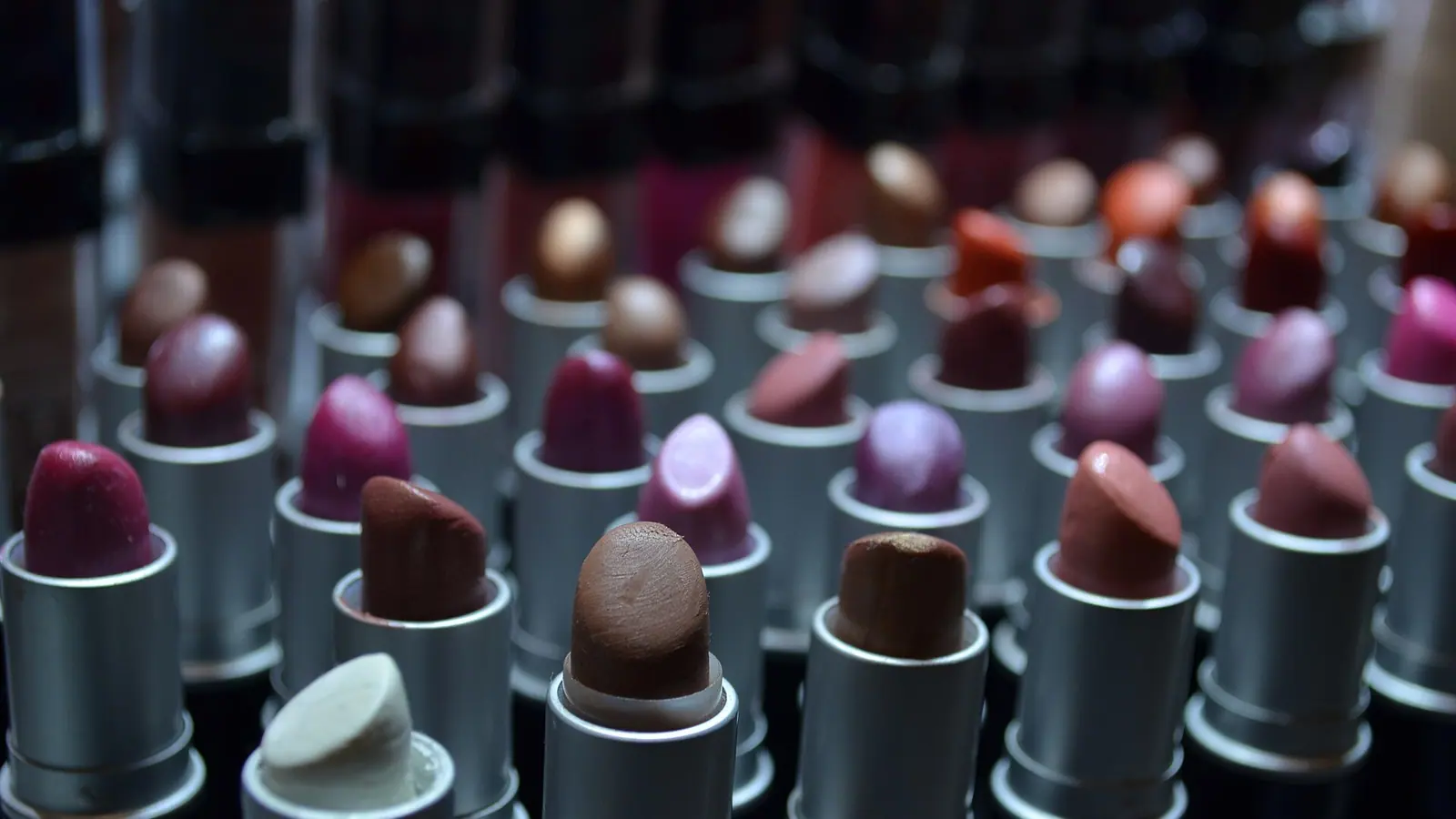

What does a lipstick allergy look like? A lipstick allergy usually makes the lips dry, scaly, cracked, itchy or sore, sometimes with a rash spreading onto the skin around the mouth. Doctors call this allergic contact cheilitis. Like other contact allergies, it develops with repeated use: MedlinePlus explains that you don’t react the first time, and some people use a product for years before an allergy appears. Sudden puffy swelling of the lips is a different kind of reaction, and if it comes with trouble breathing, it’s an emergency.
Lipstick allergy symptoms
MedlinePlus describes allergic contact dermatitis as itching with a red, patchy rash where the substance touched, sometimes turning scaly, raw or thickened, and often appearing 24 to 48 hours after contact. On the lips, that usually means:
- Dry, peeling or cracked lips that don’t improve with lip balm, or get worse with it.
- Itching, burning or soreness, often along the edge of the lips.
- A rash at the corners or around the mouth, where lipstick and lip liner spread.
- Symptoms that ease when you stop a product and come back when you start again.
Irritation from harsh products or friction can look much the same, and MedlinePlus calls irritant dermatitis the most common type. That is why O’Gorman and Torgerson recommend patch testing when cheilitis doesn’t go away.
Allergic contact cheilitis
Allergic contact cheilitis is lip inflammation caused by an allergy to something that touches the lips. It’s more common than many people think. In North American Contact Dermatitis Group data on 43,772 patch-tested patients, Silverberg and colleagues found that 4.8% had the lips as a site of dermatitis, a share that rose from 2.7% in 2001-2002 to 7.8% in 2017-2018. About 60% of them had at least one positive patch test, and more than 1 in 4 reacted to allergens outside the standard screening series.
In a series of 91 patients with ongoing cheilitis, O’Gorman and Torgerson diagnosed allergic contact cheilitis in 45%. A review by Collet and colleagues names cosmetic and hygiene products, such as lip products and toothpaste, as the usual causes, with topical medicines, foods and even musical instruments less often.
Allergic contact cheilitis treatment
The treatment is to find the allergen and stop using it. Collet and colleagues recommend patch tests with a standard series plus your own lip products, because many lip ingredients aren’t in standard test kits. While you wait, MedlinePlus advice for contact dermatitis applies: avoid the suspected product, and use a plain emollient, such as petroleum jelly without added flavor or scent. A doctor may prescribe a short course of a mild anti-inflammatory cream; don’t use steroid creams around the mouth on your own, since they’re linked to perioral dermatitis.
Allergic reaction to lipstick: the usual ingredients
| Ingredient group | What the studies found |
|---|---|
| Fragrance | Fragrance mix and balsam of Peru topped the O’Gorman list |
| Antioxidants (gallates) | Dodecyl and octyl gallate were among the most relevant allergens |
| Preservatives | Benzoic acid was in the O’Gorman top list |
| Beeswax and propolis | 17 of 95 patients reacted to beeswax in the Nyman study |
| Metals | Nickel and gold were among the top 10 allergens |
Beeswax is easy to overlook because it sounds gentle. When Nyman and colleagues tested 95 patients with cheilitis or facial eczema, 17 reacted to beeswax, and 14 of those also reacted to propolis, a bee resin used in some “natural” lip products. Metal matters too: MedlinePlus even lists lipstick holders among everyday sources of nickel. Fragrance is covered in our guide to fragrance allergy.
Swollen lips allergic reaction: when it’s angioedema
Sudden swelling of the lips is usually angioedema, not cheilitis. MedlinePlus describes angioedema as swelling under the skin, most often around the eyes and lips, sometimes with hives. It can be an allergic reaction to foods, medicines, insect stings or pollen, and in many cases no cause is found.
Call 911 or go to the emergency room if lip swelling comes with difficulty breathing, wheezing, abnormal breathing sounds or fainting. Swelling that doesn’t affect breathing often fades in a few days, but see a doctor if it’s your first episode, if it’s severe, or if it doesn’t respond to treatment.
Allergic reaction on lips
An allergic reaction on the lips takes one of two shapes. Sudden swelling, often within minutes or hours, is angioedema, as described above, and can come from a food, a medicine or an insect sting as much as from a cosmetic. A dry, red, scaly or cracked rash that builds over days is contact cheilitis. In a patch test clinic series, lip cosmetics such as lipsticks and lip balms were the most common allergic cause of lip eczema, followed by toothpaste (Lim and Goh).
Lip eczema isn’t always an allergy: in the same series, about half of the cases were eczema-type cheilitis without an outside trigger, and lip-licking was a common irritant. A rash at the corners of the mouth is usually angular cheilitis. For swelling that spreads to the rest of the face, see our guide to an allergic reaction on the face.
Hypoallergenic lipstick: what to check
The FDA says there’s no federal definition of “hypoallergenic,” and companies don’t have to prove the claim. Read our guide to what hypoallergenic means for the background. In practice:
- Choose fragrance-free and unflavored formulas if you react to scented products.
- Check for your known allergens on the ingredient list, such as beeswax, propolis, gallates or specific preservatives.
- Test before you commit. Try a new product on a small area first and wait at least 2 days: MedlinePlus notes that allergic reactions often appear 24 to 48 hours after contact, and asks people who reacted to a home test to bring the product to their patch-test appointment. Our patch test skincare guide explains how.
Lip gloss allergy and other lip products
Lip gloss, lip liner and lip balm can contain the same allergens as lipstick, such as fragrance, beeswax, propolis and preservatives. If you react, look at everything that touches your lips, including toothpaste, which Collet and colleagues list as a possible cause. For balms and toothpaste, see our guides in Personal care, like hypoallergenic lip balm and hypoallergenic toothpaste, and for eye and face makeup, our guide to hypoallergenic makeup.
More in Skincare
What Does Hypoallergenic Mean on a Label? The Legal Answer
What does hypoallergenic mean? In the US it has no legal definition for cosmetics, detergents or jewelry. What the FDA says and which signals count.
Fragrance Free vs Unscented: Why the Difference Matters
Fragrance free vs unscented: unscented products can hide masking fragrance, and fragrance-free ones may still contain scented plant oils. Read the label.
Fragrance Free Moisturizer for Sensitive Skin: How to Choose
How to choose a fragrance free moisturizer for sensitive or eczema-prone skin: ointments vs creams, barrier-repair ingredients and common irritants.
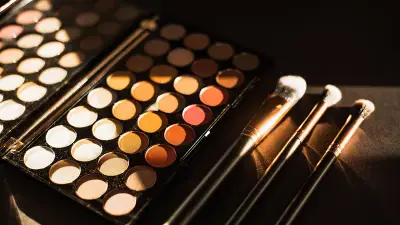
Hypoallergenic Makeup for Sensitive Eyes: What to Look For
Hypoallergenic makeup for sensitive eyes: how to choose mascara, liner and shadow when your eyelids itch or water, and the hygiene habits that matter most.
Sources & further reading
- Contact Dermatitis — Silverberg and colleagues, 2023: of 43,772 patients patch tested by the North American Contact Dermatitis Group (2001-2018), 4.8% had the lips as a site of dermatitis; about 60% had a positive reaction, and over 1 in 4 reacted to allergens outside the screening series. DOI: 10.1111/cod.14265.
- International Journal of Dermatology — O'Gorman and Torgerson, 2016: of 91 patients with cheilitis, 45% had allergic contact cheilitis; fragrance mix, balsam of Peru, gallates and benzoic acid were the most relevant allergens, and nickel and gold were in the top 10. DOI: 10.1111/ijd.13044.
- European Journal of Dermatology — Collet and colleagues, 2013: contact allergy is a frequent cause of cheilitis, cosmetic and hygiene products are the usual culprits, and patch tests should include the patient's own products. DOI: 10.1684/ejd.2013.1932.
- Contact Dermatitis — Nyman and colleagues, 2019: of 95 patients with cheilitis or facial eczema, 17 reacted to beeswax, and 14 of those also reacted to propolis. DOI: 10.1111/cod.13306.
- MedlinePlus (U.S. National Library of Medicine) — Angioedema is swelling under the skin, usually around the eyes and lips; it can be allergic, and breathing difficulty is an emergency.
- U.S. Food and Drug Administration — No federal standard or definition governs the term "hypoallergenic," and manufacturers need not submit proof of the claim to FDA.
- MedlinePlus (U.S. National Library of Medicine) — Contact dermatitis: an allergy forms only after repeated exposure and usually shows 24 to 48 hours after contact; common allergens include false-eyelash adhesives, fragrances, nail polish, hair dyes and nickel (even in lipstick holders); patch testing takes at least 3 visits; treatment includes washing with water, avoiding the substance and emollients.
- Contact Dermatitis — Lim and Goh, 2000: 202 patients with eczematous cheilitis at a patch test clinic: endogenous (eczema-type) cheilitis 53%, allergic contact 34%, irritant 5.4%; lip cosmetics, then toothpastes, were the commonest allergic causes, and lip-licking, lipsticks and medicines the commonest irritant causes. DOI: 10.1034/j.1600-0536.2000.043006322.x.