Face Moisturizer for Sensitive Skin: What to Look For
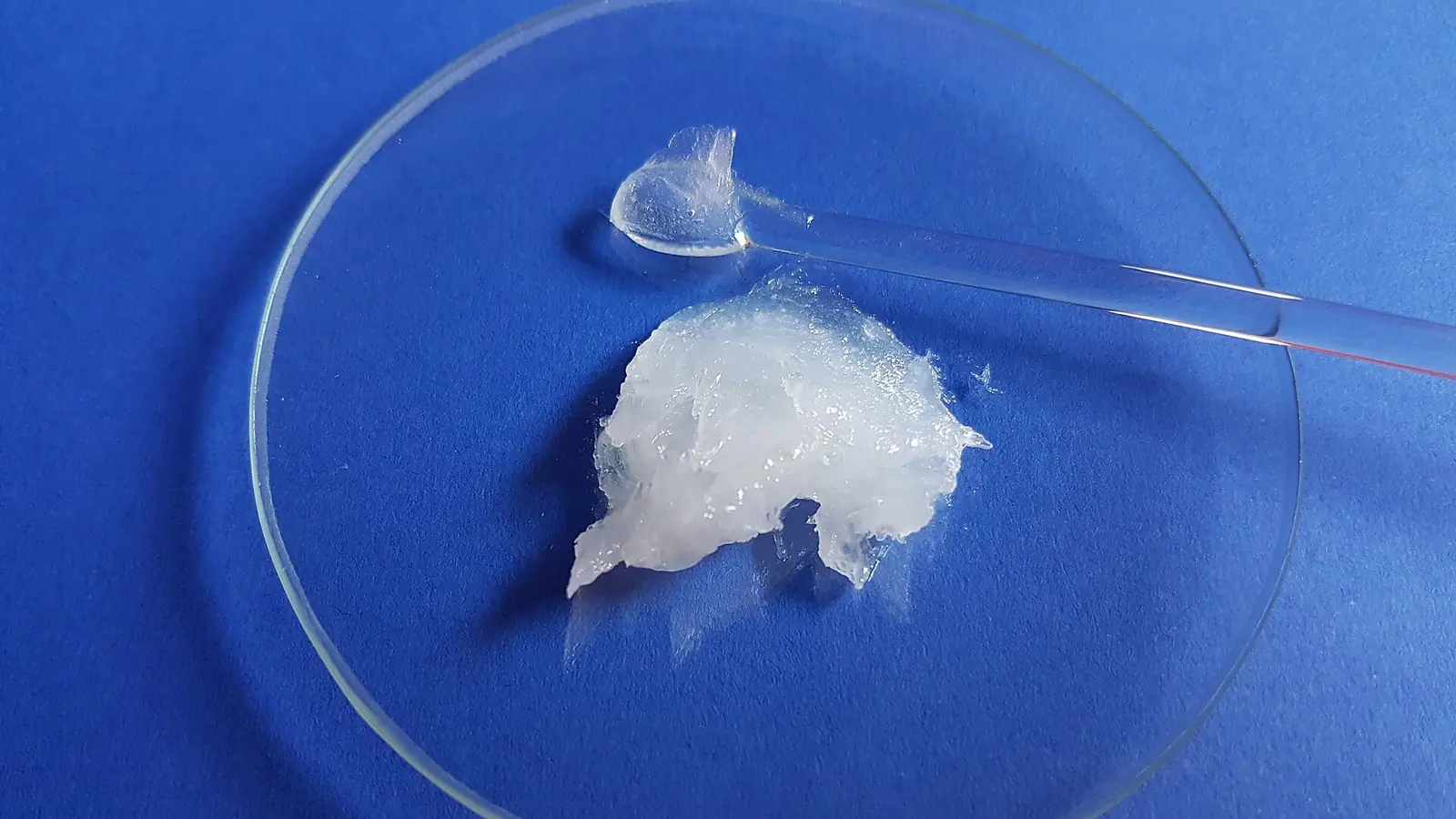

What is the best face moisturizer for sensitive skin? One with a short ingredient list, no fragrance (including essential oils and plant extracts used for scent), and a texture that suits your skin: a light lotion if your face gets oily, a cream if it gets dry. Labels such as “hypoallergenic” or “dermatologist recommended” don’t guarantee any of that, so the ingredient list is what to check.
Sensitive skin is common, and the face is where it shows up most. Experts define it as stinging, burning, itching or tingling from products or conditions that normally shouldn’t cause it, often with skin that looks normal or just a little red (Misery). In a meta-analysis of 26 studies with over 51,000 people, about a third said their face was very or moderately sensitive (Chen).
Moisturizer for sensitive skin: what the label claims mean
A study of 174 best-selling body moisturizers sold at major U.S. retailers found that only 12% contained none of the common allergens on the North American patch test panel. The most frequent were fragrance, parabens and tocopherol (vitamin E) (Xu). Face products weren’t part of that study, but the lesson carries over: the front of the jar tells you little.
Hypoallergenic face moisturizer
There is no federal standard for “hypoallergenic.” The FDA says the word can mean whatever a company wants, and no proof is required. Our guide to what hypoallergenic means explains what to look for instead. If you already know you react to an ingredient, such as a preservative found on a patch test, that ingredient is the one to look for on the list.
Fragrance free face moisturizer
Fragrance was the most common allergen in the best-selling moisturizers, but “fragrance free” isn’t always what it sounds like. In the same study, 45% of moisturizers labeled fragrance free still contained at least one ingredient that can cross-react with fragrance or a botanical (plant) ingredient (Xu). Our guide on fragrance free vs unscented shows how to read the list, and the main fragrance free moisturizer guide covers body moisturizers and ingredients that help the skin barrier.
A “paraben free” claim is less important than it looks. Parabens are among the least allergenic preservatives in use (Fransway), and the preservatives that replace them can be stronger allergens; see our parabens guide.
Face lotion for sensitive skin
Moisturizers differ mainly in how much oil and water they hold. Lotions have the most water and feel lightest; creams are thicker; ointments are greasy and have little or no water (Hon). On the face:
| Texture | Feels | Good for |
|---|---|---|
| Lotion or gel cream | Light, absorbs fast | Oily or combination skin, hot humid weather, under makeup |
| Cream | Richer, absorbs slowly | Normal to dry skin, cold dry weather |
| Ointment or balm | Greasy | Very dry or cracked patches, such as around the nose during a cold |
Products with water need preservatives to stay safe, so a cream or lotion always has some. You’ll also often see cetearyl alcohol high on the list: despite the name, it’s a waxy fatty alcohol, not a drying one. A short list with one or two well-known preservatives is usually easier on sensitive skin than a long list of botanical extracts. If your skin is also acne-prone, our non comedogenic makeup guide explains what that label does and doesn’t promise.
Moisturizer for dry sensitive skin
Dry, sensitive skin usually does best with a cream applied right after washing, while the skin is still slightly damp. Dry skin, irritants, perfumes and dyes in lotions and soaps all make eczema worse (MedlinePlus), so the same rules help: fragrance free, few ingredients, and a gentle cleanser. If your skin stings with almost everything, a damaged skin barrier may be the reason; our skin barrier repair guide explains the signs and which ingredients, such as ceramides, help.
Night cream for sensitive skin
A night cream doesn’t need special ingredients. For sensitive skin it’s often just a slightly richer version of your day moisturizer, used when you don’t need SPF or a matte finish. The trouble usually comes from active ingredients added to night creams, such as retinoids and exfoliating acids. Retinoids often cause redness, dryness and peeling at first, so if you want one, start slowly, as our guide to retinol for sensitive skin explains with its sources, and keep the rest of the routine plain.
Tinted moisturizer for sensitive skin
A tinted moisturizer adds light coverage from pigments, mostly iron oxides and titanium dioxide. That tint has a bonus: tinted sunscreens made with iron oxides protect against visible light, which regular sunscreens don’t, and that helps with melasma and dark marks left by inflammation (Lyons). Check whether the tinted product actually has an SPF on a Drug Facts label; if it doesn’t, it isn’t sun protection. Our guides to hypoallergenic foundation and makeup for rosacea cover the makeup side.
Moisturizer with SPF for sensitive skin
A moisturizer with SPF counts as sunscreen only if it’s broad spectrum, SPF 15 or higher, and you use enough of it and reapply at least every 2 hours outdoors (FDA). On long days outside, a dedicated sunscreen is easier to apply generously and reapply. Our hypoallergenic sunscreen guide explains mineral and chemical filters and which ones most often cause reactions.
If a new face cream leaves you red and itchy a day or two later, stop it and see our guide to an allergic reaction on the face. Before switching products, try the new one on a small area first, as our patch test guide explains.
More in Skincare
What Does Hypoallergenic Mean on a Label? The Legal Answer
What does hypoallergenic mean? In the US it has no legal definition for cosmetics, detergents or jewelry. What the FDA says and which signals count.
Fragrance Free vs Unscented: Why the Difference Matters
Fragrance free vs unscented: unscented products can hide masking fragrance, and fragrance-free ones may still contain scented plant oils. Read the label.
Fragrance Free Moisturizer for Sensitive Skin: How to Choose
How to choose a fragrance free moisturizer for sensitive or eczema-prone skin: ointments vs creams, barrier-repair ingredients and common irritants.
Hypoallergenic Makeup for Sensitive Eyes: What to Look For
Hypoallergenic makeup for sensitive eyes: how to choose mascara, liner and shadow when your eyelids itch or water, and the hygiene habits that matter most.
Sources & further reading
- Acta Dermato-Venereologica — Misery and colleagues, 2017: expert definition of sensitive skin: unpleasant sensations (stinging, burning, pain, itch, tingling) in response to stimuli that normally should not provoke them, not explained by a skin disease; the skin can look normal or red; it can affect any body site, especially the face. DOI: 10.2340/00015555-2397.
- Journal of the European Academy of Dermatology and Venereology — Chen and colleagues, 2020: meta-analysis of 26 studies (51,783 people in 18 countries): 71% self-declared sensitive skin to some degree and 40% very or moderately sensitive; 64% reported facial sensitive skin to some degree and 34% very or moderately; more common in women. DOI: 10.1111/jdv.16166.
- JAMA Dermatology — Xu and colleagues, 2017: 174 best-selling whole-body moisturizers: only 12% were free of North American Contact Dermatitis Group allergens; the most common were fragrance mix, paraben mix and tocopherol; 45% of products labeled fragrance free had at least one fragrance cross-reactor or botanical ingredient. DOI: 10.1001/jamadermatol.2017.3046.
- U.S. Food and Drug Administration — "Hypoallergenic" cosmetics: there are no federal standards or definitions for the term; it means whatever a company wants it to mean, and the FDA does not require proof.
- Dermatitis — Fransway and colleagues, 2019: paraben mix named the American Contact Dermatitis Society (non)allergen of the year: sensitivity has stayed low and stable for decades; one of the least allergenic preservatives in use. DOI: 10.1097/DER.0000000000000429.
- Drugs in Context — Hon and colleagues, 2018: review of emollient types (ointments, creams, lotions and their ingredients) and their clinical evidence in atopic dermatitis. DOI: 10.7573/dic.212530.
- Journal of the American Academy of Dermatology — Lyons and colleagues, 2021: review of tinted sunscreens: broad spectrum sunscreens don't adequately protect against visible light; to do so a product must be visible on the skin; tinted sunscreens with iron oxides and pigmentary titanium dioxide protect against visible light and help melasma and post-inflammatory hyperpigmentation. DOI: 10.1016/j.jaad.2020.04.079.
- U.S. Food and Drug Administration — Sunscreen: use broad spectrum sunscreen with SPF 15 or higher, apply 15 minutes before going out, reapply at least every 2 hours; check the Drug Facts label.
- MedlinePlus (U.S. National Library of Medicine) — Atopic eczema: worsened by dry skin, irritants, perfumes and dyes in lotions and soaps; keep skin moist with ointments, creams or lotions applied after bathing.