Parabens: Are They Bad, and Is Paraben Free Better?
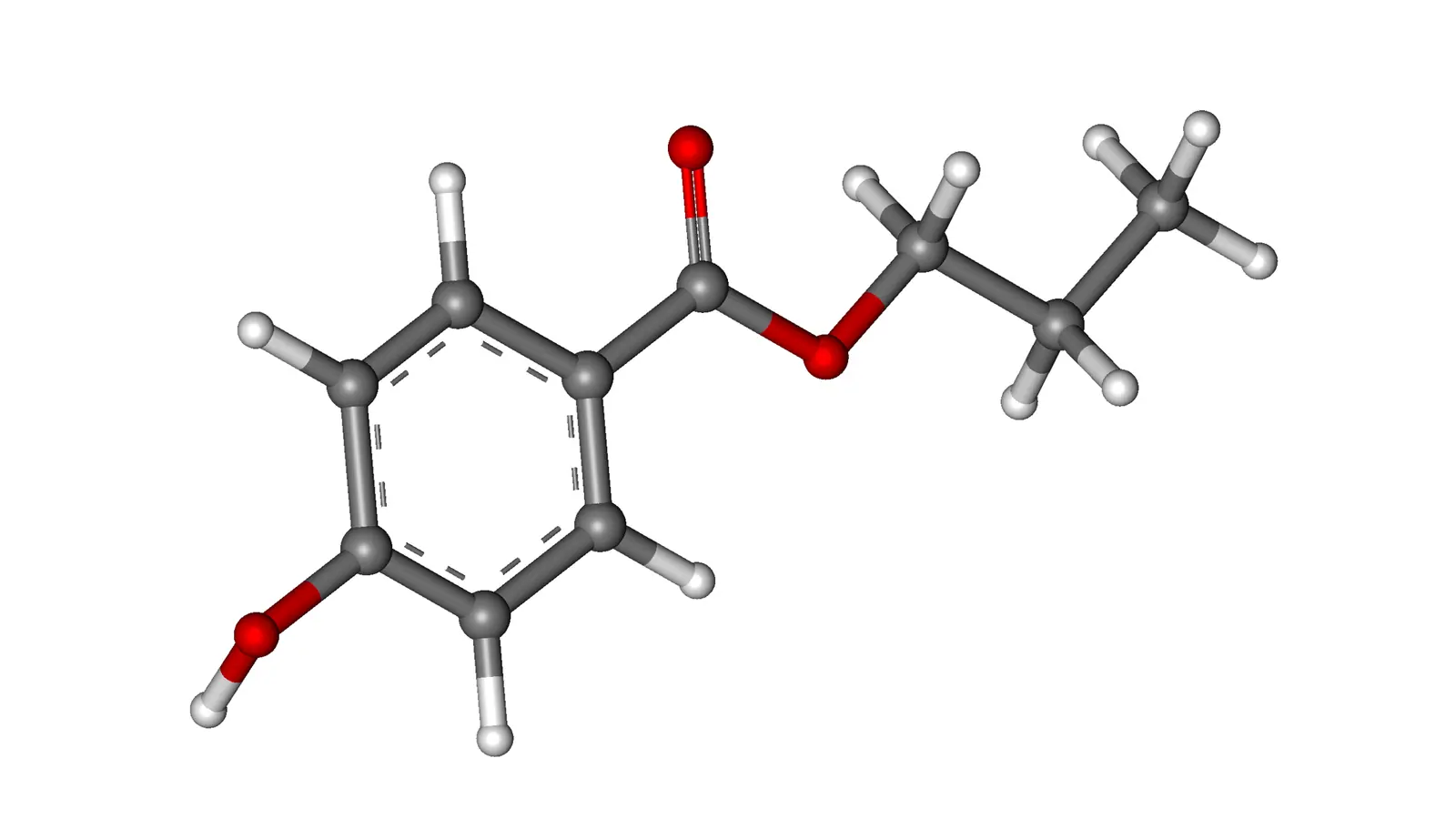

What are parabens? Parabens are a family of preservatives that stop bacteria and mold from growing in cosmetics, foods and medicines. The most common are methylparaben, ethylparaben, propylparaben and butylparaben, and products often combine more than one (FDA). For allergy, they’re one of the safest preservatives available.
They’re easy to spot on labels: the name always ends in “-paraben”.
Parabens in skin care
The FDA lists makeup, moisturizers, hair care products and shaving products among the cosmetics that may contain parabens (FDA). They’ve been used for more than 70 years, in cosmetics, foods and medicines alike (Dermatitis). In the US, there are no special rules for preservatives in cosmetics: like any cosmetic ingredient, they don’t need FDA approval before sale, but products must be safe when used as directed.
Methylparaben
Methylparaben has the shortest chain of the parabens. The EU’s scientific committee confirmed that methylparaben and ethylparaben are safe at the maximum concentrations the EU allows (Regulation (EU) No 358/2014).
Propyl paraben
Propylparaben and butylparaben have longer chains, and their potential endocrine activity is what led Denmark to ban them in products for children under three (Regulation (EU) No 1004/2014). The EU limits the two to 0.14% combined and adds specific restrictions for diaper-area products for young children (Regulation (EU) No 1004/2014). Five less common parabens (isopropyl-, isobutyl-, phenyl-, benzyl- and pentylparaben) were banned in EU cosmetics because manufacturers didn’t provide enough data to evaluate them (Regulation (EU) No 358/2014).
| Paraben | EU status |
|---|---|
| Methylparaben, ethylparaben | Allowed; judged safe at authorized levels |
| Propylparaben, butylparaben | Allowed up to 0.14% combined, restricted in diaper-area products |
| Isopropyl-, isobutyl-, phenyl-, benzyl-, pentylparaben | Banned |
Are parabens bad?
The worry about parabens centers on possible hormone-like (endocrine) activity, along with questions about cancer and fertility (Dermatitis). The FDA’s position is that it doesn’t have information showing that parabens, as they’re used in cosmetics, have an effect on human health, and that it keeps reviewing new studies (FDA). A 2019 toxicology review covering hormone activity, cancer, fertility and other concerns concluded that claims linking parabens to these health problems are premature (Dermatitis).
So for most people, parabens aren’t a reason to throw out a product. If you want to limit them anyway, the EU’s approach is a reasonable guide: methyl- and ethylparaben have the strongest safety data.
Paraben allergy
For sensitive skin, parabens have a surprisingly good record. In North American patch test data on 50,799 patients, about 1% reacted to the paraben mix, compared with 12.2% for methylisothiazolinone and 7.8% for formaldehyde (JAAD). Allergists even named parabens the “(non)allergen of the year” in 2019 to make the point that reactions are uncommon and have stayed stable for decades (Dermatitis).
| Preservative | Patients with a positive patch test |
|---|---|
| Methylisothiazolinone | 12.2% |
| Formaldehyde | 7.8% |
| Quaternium-15 (formaldehyde releaser) | 7.7% |
| Paraben mix | 1% |
| Phenoxyethanol | 0.2% |
Phenoxyethanol, another common preservative, had an even lower rate in the same data. Our sodium benzoate guide covers a preservative used in both food and cosmetics.
A paraben allergy shows up as an itchy, red rash where the product is used. A dermatologist confirms it with patch testing.
Paraben free cosmetics
“Paraben free” became a marketing label, but it doesn’t mean the product is free of preservatives or gentler. The same allergists warn that replacing parabens has brought in preservatives with far greater allergenic potential (Dermatitis). Methylisothiazolinone is the best-known example; see our methylisothiazolinone guide and our guide to formaldehyde allergy for the releasers to watch for.
Paraben free body wash
If you’re shopping for a paraben free body wash, check what replaced the parabens. For sensitive or eczema-prone skin, fragrance free and free of methylisothiazolinone matters more than paraben free. Our hypoallergenic body wash guide and fragrance free moisturizer guide explain how to read the label.
More in Ingredients & materials
Nickel Allergy: Causes, Sources, Rules and Testing
Nickel allergy: why nickel causes allergic contact dermatitis, where it's found, how US and EU rules differ, and how spot tests and patch tests work.
Fragrance Allergy: What 'Fragrance' and 'Parfum' Can Hide
Fragrance allergy: why one word on a label can stand for dozens of chemicals, which allergens dermatologists test for, and US vs EU label rules.
Methylisothiazolinone (MI): A Preservative Allergy Explained
Methylisothiazolinone (MI) and MCI/MI: where they're used, why allergy to them surged, how the EU restricted them, and how to spot them on labels.
Formaldehyde Allergy and Formaldehyde Releasers on Labels
Formaldehyde allergy: which preservatives release formaldehyde, the label names to look for, where else it turns up, and what US and EU rules say.
Sources & further reading
- U.S. Food and Drug Administration — Parabens in Cosmetics: preservatives that prevent bacteria and mold; methylparaben, propylparaben, butylparaben and ethylparaben are the most common; used in makeup, moisturizers, hair care and shaving products; FDA has no information showing parabens as used in cosmetics affect human health.
- European Union — Commission Regulation (EU) No 358/2014: isopropyl-, isobutyl-, phenyl-, benzyl- and pentylparaben banned in cosmetics because their safety could not be evaluated; the scientific committee (SCCS) confirmed methyl- and ethylparaben are safe at authorised levels.
- European Union — Commission Regulation (EU) No 1004/2014: propylparaben and butylparaben limited to 0.14% combined (as acid), with specific restrictions for nappy-area products for young children.
- Dermatitis — Fransway and colleagues, 2019: paraben mix named the American Contact Dermatitis Society (non)allergen of the year: sensitivity has stayed low and stable for decades; one of the least allergenic preservatives; replacing them has brought in preservatives with far greater allergenic potential. DOI: 10.1097/DER.0000000000000429.
- Dermatitis — Fransway and colleagues, 2019: review of paraben toxicology (endocrine activity, cancer, fertility and others): claims that parabens cause these health problems are premature on current evidence. DOI: 10.1097/DER.0000000000000428.
- Journal of the American Academy of Dermatology — Atwater and colleagues, 2021: north American Contact Dermatitis Group, 50,799 patients (1994 to 2016): positive reactions to paraben mix 1%, versus methylisothiazolinone 12.2%, formaldehyde 7.8% and quaternium-15 7.7%. DOI: 10.1016/j.jaad.2020.07.059.