Phenoxyethanol: Is This Preservative Safe for Skin?
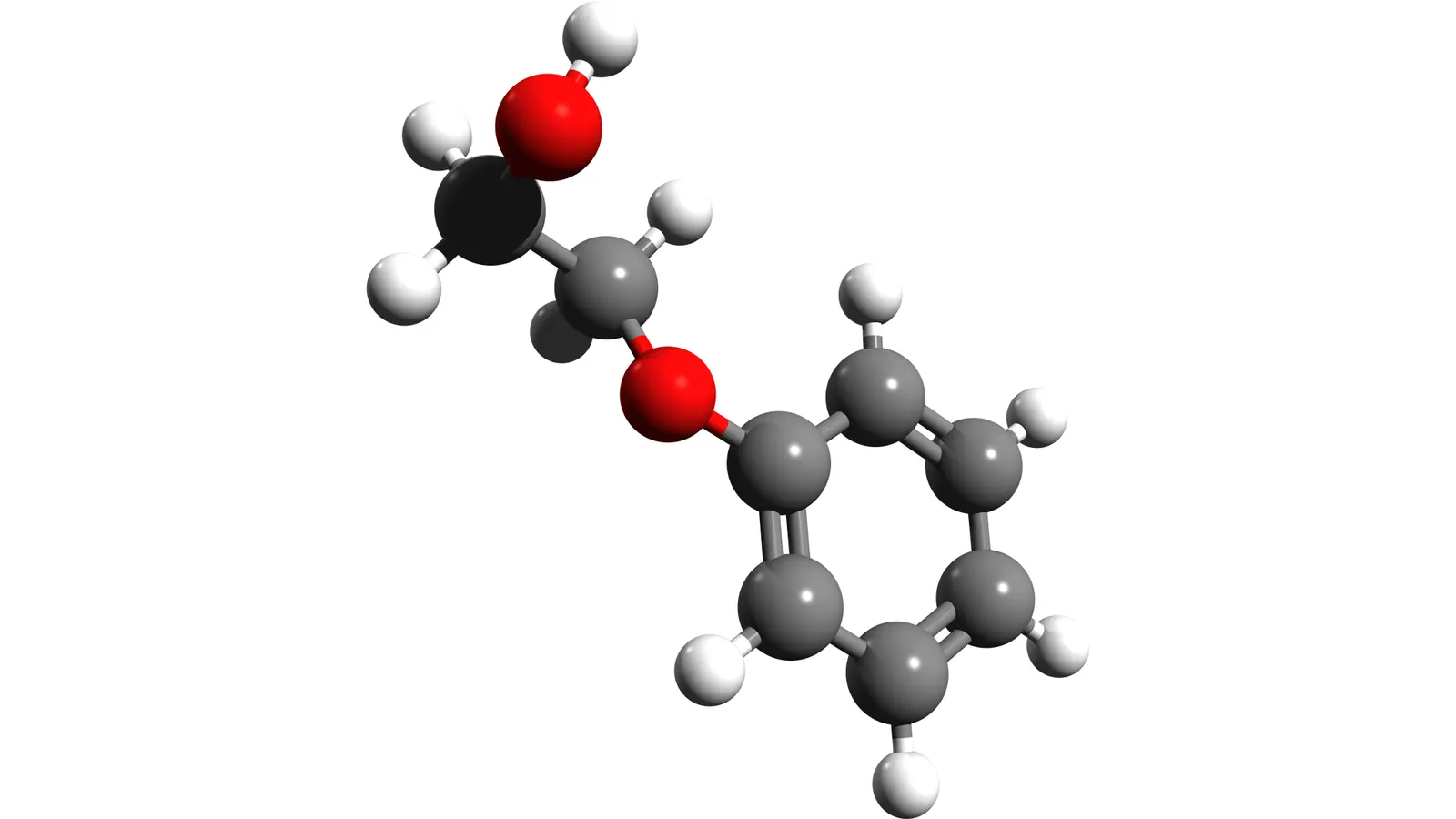

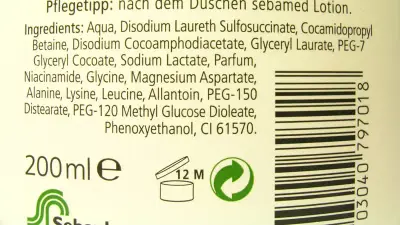
What is phenoxyethanol? Phenoxyethanol (also listed as 2-phenoxyethanol) is a preservative that keeps bacteria and yeast from growing in water-based cosmetics such as moisturizers, cleansers, makeup and baby wipes. It’s been used for decades and works against a broad range of microbes while having only a weak effect on the skin’s normal bacteria (JEADV). For people with sensitive skin, it’s one of the better-tolerated preservatives.
Phenoxyethanol in skin care
It’s used at low levels, so it usually appears near the end of the ingredient list: the EU caps it at 1% (SCCS). Formulators rely on it because it works against a broad range of bacteria and yeasts (JEADV).
Phenoxyethanol and ethylhexylglycerin
The two often appear together on labels. Ethylhexylglycerin is a rare allergen too: in North American data on 15,560 patients, 0.25% reacted to it, a rate similar to parabens, benzyl alcohol and phenoxyethanol (Dermatitis). Personal care products, especially moisturizers and lotions, were the usual source.
Is phenoxyethanol safe?
The EU’s Scientific Committee on Consumer Safety considers phenoxyethanol safe as a cosmetic preservative at up to 1%, and it specifically looked at children, concluding that the safety margin also covers them (SCCS 2016). A safety review adds that harmful effects in animal studies appeared only at exposures about 200 times higher than people get from cosmetics (JEADV).
Is phenoxyethanol safe during pregnancy?
The SCCS opinion covers all consumers at up to 1% in cosmetics and doesn’t set separate limits for pregnancy (SCCS 2016). If you have a specific concern, ask your doctor or pharmacist about the products you use.
Phenoxyethanol side effects
Side effects from phenoxyethanol in cosmetics are uncommon. Possible reactions:
- Allergic contact dermatitis: an itchy, red rash where the product was used, appearing a day or two later. It’s rare, but case reports exist, including hand dermatitis (Contact Dermatitis 2022).
- Contact urticaria: hives that appear within minutes to an hour of applying the product, also rare (Contact Dermatitis 2021).
Phenoxyethanol allergy
Compared with other preservatives, phenoxyethanol allergy is uncommon. In North American patch test data on 50,799 patients, only 0.2% reacted to it, among the lowest of all preservatives tested (JAAD):
| Preservative | Patients with a positive patch test |
|---|---|
| Methylisothiazolinone | 12.2% |
| Formaldehyde | 7.8% |
| Paraben mix | 1% |
| Phenoxyethanol | 0.2% |
If you’re one of the few who react, avoiding it takes some work because it’s in so many products. A dermatologist can confirm it with patch testing. If your problem is preservatives in general, our guides to methylisothiazolinone, formaldehyde allergy, parabens and sodium benzoate cover the others.
Phenoxyethanol free skin care
For most people with sensitive skin, avoiding phenoxyethanol isn’t necessary, and a product without it still needs some other preservative. Methylisothiazolinone, for example, caused positive patch tests about 60 times as often in the same North American data (JAAD). Our fragrance free moisturizer guide explains how to read a label for the ingredients that matter most.
More in Ingredients & materials
Nickel Allergy: Causes, Sources, Rules and Testing
Nickel allergy: why nickel causes allergic contact dermatitis, where it's found, how US and EU rules differ, and how spot tests and patch tests work.
Fragrance Allergy: What 'Fragrance' and 'Parfum' Can Hide
Fragrance allergy: why one word on a label can stand for dozens of chemicals, which allergens dermatologists test for, and US vs EU label rules.
Methylisothiazolinone (MI): A Preservative Allergy Explained
Methylisothiazolinone (MI) and MCI/MI: where they're used, why allergy to them surged, how the EU restricted them, and how to spot them on labels.
Formaldehyde Allergy and Formaldehyde Releasers on Labels
Formaldehyde allergy: which preservatives release formaldehyde, the label names to look for, where else it turns up, and what US and EU rules say.
Sources & further reading
- European Commission, Scientific Committee on Consumer Safety — Opinion on phenoxyethanol (SCCS/1575/16, 2016): safe as a preservative at a maximum of 1.0% in cosmetics, including for children, with a margin of safety of about 50 for children.
- Journal of the European Academy of Dermatology and Venereology — Dréno and colleagues, 2019: safety review: broad activity against bacteria and yeasts with only weak effect on normal skin flora; systemic effects in animals only at exposures around 200 times higher than from cosmetics; a rare sensitizer and one of the best-tolerated preservatives. DOI: 10.1111/jdv.15944.
- Journal of the American Academy of Dermatology — Atwater and colleagues, 2021: north American Contact Dermatitis Group, 50,799 patients (1994 to 2016): phenoxyethanol had among the lowest rates of positive patch tests (0.2%), versus 12.2% for methylisothiazolinone. DOI: 10.1016/j.jaad.2020.07.059.
- Dermatitis — Warshaw and colleagues, 2022: 15,560 patients tested to ethylhexylglycerin (2013 to 2018): 0.25% allergic, similar to other low-allergenic preservatives including parabens, benzyl alcohol and phenoxyethanol; moisturizers and lotions the most common source. DOI: 10.1097/DER.0000000000000709.
- Contact Dermatitis — Kolodziej and colleagues, 2022: case report: allergic contact dermatitis to phenoxyethanol, a rare but possible cause of hand dermatitis. DOI: 10.1111/cod.14029.
- Contact Dermatitis — Pastor-Nieto and colleagues, 2021: case report of immunologic contact urticaria (hives on contact) from phenoxyethanol in cosmetics. DOI: 10.1111/cod.13911.