Sodium Benzoate: Is It Safe in Food and Skin Care?
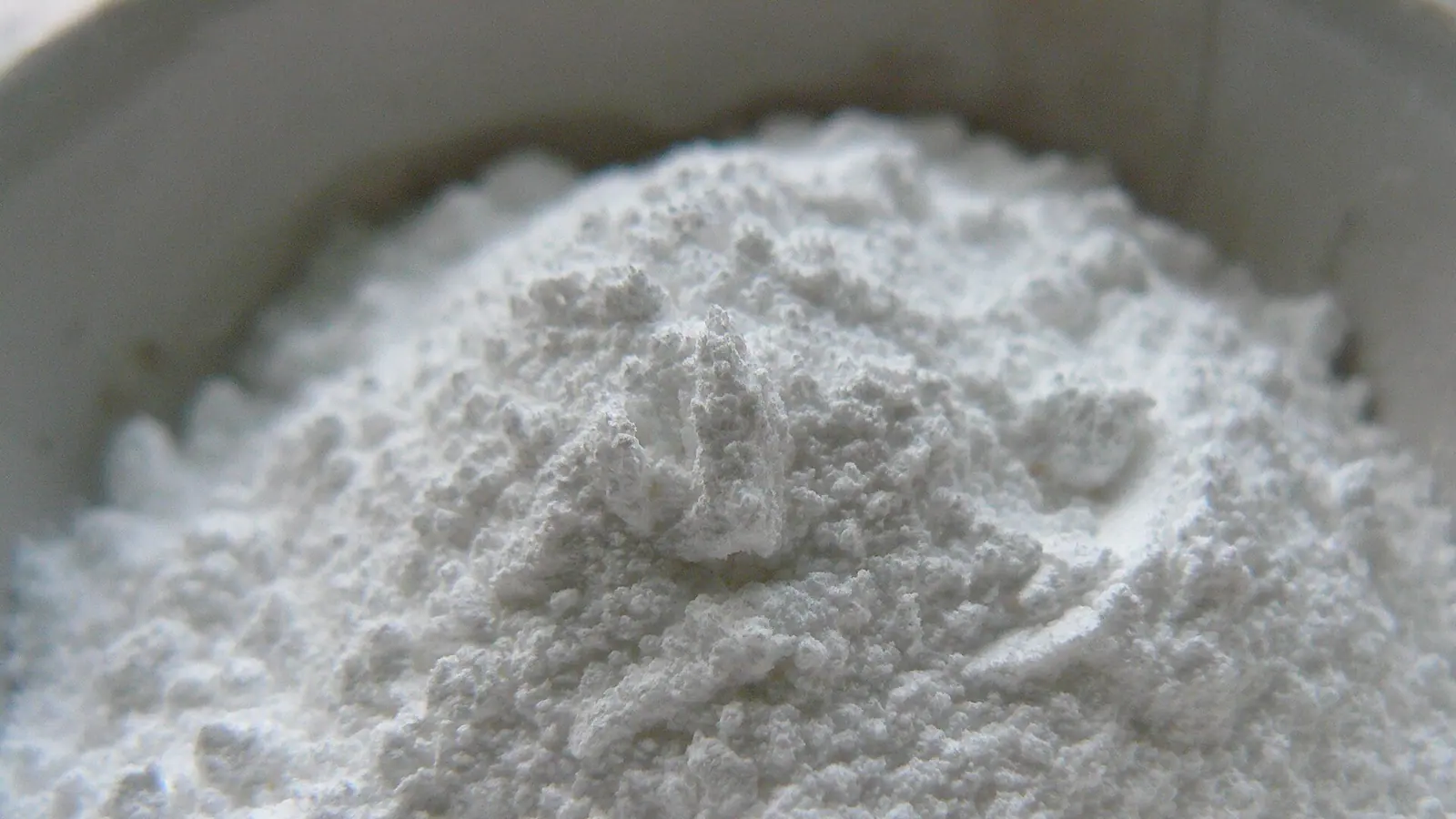

What is sodium benzoate? Sodium benzoate is a preservative: the sodium salt of benzoic acid, used to stop bacteria, yeasts and molds from growing. In food the FDA treats it as generally recognized as safe, with current use topping out at 0.1% (21 CFR 184.1733). It’s also used in cosmetics, and for most people it’s a low-risk preservative.
Sodium benzoate in food
You’ll find it in sodas, fruit juices, pickles, sauces and dressings. The FDA lists it as an antimicrobial and flavoring agent, and notes the salt itself doesn’t occur naturally (21 CFR 184.1733). Benzoate salts do occur naturally in some fruits, such as cranberries (FDA).
Is sodium benzoate safe?
At the levels used, yes, according to both the FDA and the cosmetic safety panel (International Journal of Toxicology). Two questions come up often:
- Benzene in drinks. When a drink contains both a benzoate and vitamin C, heat and light can produce very small amounts of benzene. In the FDA’s survey, almost all drinks had none or less than 5 parts per billion, the limit for drinking water, and the FDA concluded the levels found don’t pose a safety concern. Products that exceeded it were reformulated (FDA).
- Hyperactivity. In a UK trial of 297 children, drinks containing sodium benzoate plus artificial food colors increased hyperactive behavior in some groups compared with placebo (The Lancet). Because every test drink combined the preservative with colors, the study can’t say which caused the effect.
Sodium benzoate and potassium sorbate
These two preservatives often appear on the same labels, in food and in cosmetics. In a survey of 178 facial wipes, sodium benzoate was listed in 24.2% and sorbic acid preservatives such as potassium sorbate in 39.3% (Dermatitis). If a product with either one bothers your skin, a patch test helps confirm which ingredient is to blame.
Sodium benzoate in skin care
In cosmetics, benzoic acid and its salts act mostly as preservatives, and the Cosmetic Ingredient Review panel concluded they’re safe in current practices of use and concentration (International Journal of Toxicology). The allergic reactions we found are individual case reports (see below). By comparison, the preservative methylisothiazolinone was positive in 11.5% of patients patch tested in North America in 2021 and 2022 (Dermatitis); our formaldehyde releasers guide covers another common preservative allergy. Our parabens and phenoxyethanol guides compare other preservatives.
Sodium benzoate allergy
Reactions are rare, and the reported ones are mostly contact urticaria: hives where the product touched the skin. Case reports include hives around the mouth from a toothpaste (Contact Dermatitis 1996) and contact urticaria in a child treated with sodium benzoate (Contact Dermatitis 2022). If you get hives after a product or drink, keep a note of what you used and talk to an allergist; our hives guide explains the other common causes.
More in Ingredients & materials
Nickel Allergy: Causes, Sources, Rules and Testing
Nickel allergy: why nickel causes allergic contact dermatitis, where it's found, how US and EU rules differ, and how spot tests and patch tests work.
Fragrance Allergy: What 'Fragrance' and 'Parfum' Can Hide
Fragrance allergy: why one word on a label can stand for dozens of chemicals, which allergens dermatologists test for, and US vs EU label rules.
Methylisothiazolinone (MI): A Preservative Allergy Explained
Methylisothiazolinone (MI) and MCI/MI: where they're used, why allergy to them surged, how the EU restricted them, and how to spot them on labels.
Formaldehyde Allergy and Formaldehyde Releasers on Labels
Formaldehyde allergy: which preservatives release formaldehyde, the label names to look for, where else it turns up, and what US and EU rules say.
Sources & further reading
- U.S. Food and Drug Administration (21 CFR 184.1733) — Sodium benzoate is generally recognized as safe as an antimicrobial agent and flavoring agent in food; current use results in a maximum of 0.1% in food; the salt doesn't occur naturally.
- U.S. Food and Drug Administration — Questions and Answers on the Occurrence of Benzene in Soft Drinks and Other Beverages: benzene can form at very low (ppb) levels with benzoate salts plus ascorbic acid, stimulated by heat and light; almost all samples had no benzene or under 5 ppb, and levels found do not pose a safety concern.
- International Journal of Toxicology — Johnson and colleagues, 2017: cosmetic Ingredient Review safety assessment of benzyl alcohol, benzoic acid and its salts (including sodium benzoate) and benzyl benzoate: mostly fragrance ingredients and preservatives; safe in present practices of use and concentration. DOI: 10.1177/1091581817728996.
- The Lancet — McCann and colleagues, 2007: randomized double-blind trial in 297 children aged 3 and 8 to 9: drinks with sodium benzoate plus artificial food colors increased hyperactive behavior in some groups compared with placebo; the design can't separate the preservative from the colors. DOI: 10.1016/S0140-6736(07)61306-3.
- Contact Dermatitis — Muñoz and colleagues, 1996: case report of perioral contact urticaria from sodium benzoate in a toothpaste. DOI: 10.1111/j.1600-0536.1996.tb02272.x.
- Contact Dermatitis — Şengül Emeksiz and colleagues, 2022: case report of a child with contact urticaria due to sodium benzoate treatment. DOI: 10.1111/cod.13916.
- Dermatitis — Aschenbeck and colleagues, 2017: 178 facial wet wipes: sodium benzoate listed in 24.2%, sorbic acid derivatives (such as potassium sorbate) in 39.3%. DOI: 10.1097/DER.0000000000000268.
- Dermatitis — Houle and colleagues, 2025: north American Contact Dermatitis Group, 3,056 patients tested in 2021 to 2022: methylisothiazolinone positive in 11.5%. DOI: 10.1089/derm.2024.0474.