Makeup for Rosacea: Covering Redness Gently
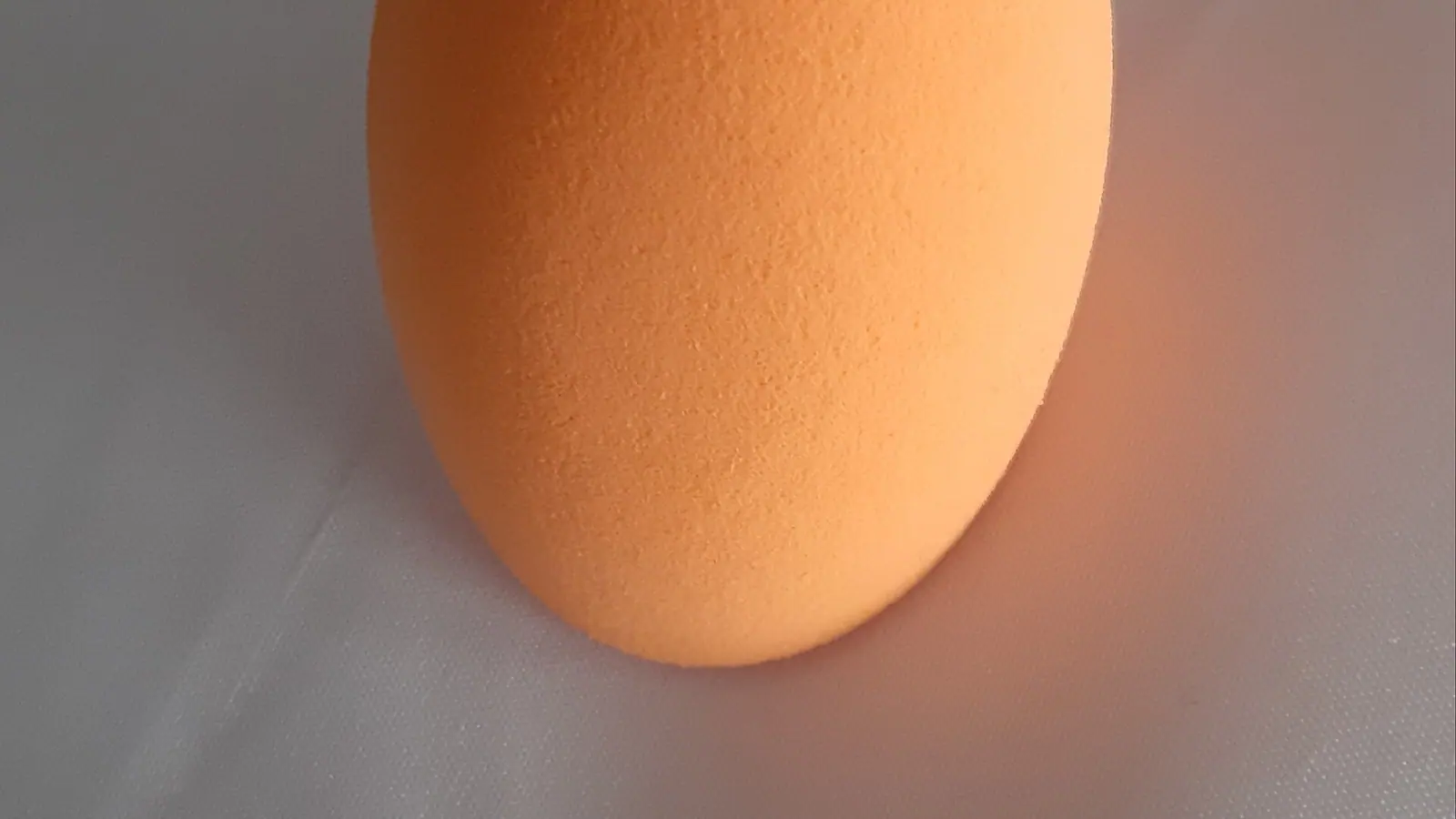

What is the best makeup for rosacea? The best makeup for rosacea is light, fragrance free and easy to remove: a green-tinted corrector where redness is strongest, a thin mineral or tinted foundation over it, and nothing waterproof. Makeup doesn’t treat rosacea, but dermatology reviews describe it as a useful add-on to treatment that can make a real difference to how people feel.
Rosacea is a long-term disease that causes redness and pimples and sometimes affects the eyes, as MedlinePlus explains. A doctor can treat it, and our guide to rosacea skincare covers the daily routine. Makeup comes after that.
Makeup to cover rosacea: does it help?
Covering redness can matter as much to people as treating it. In a study in Clinical, Cosmetic and Investigational Dermatology, 129 people with facial conditions, including rosacea, were taught to use corrective makeup for a month. No side effects occurred, and their quality-of-life scores improved markedly. A follow-up study found the benefit of a therapeutic makeup consultation lasted a year, especially for people with acne or rosacea.
How much you wear may matter. In a large survey in PLoS One of 1,245 people with rosacea and 1,538 without, wearing makeup more than 6 times a week was linked to rosacea, as were foaming cleansers and washing the face twice a day or more. A survey can’t prove makeup causes rosacea, but since it linked makeup more than 6 times a week to rosacea, you may want to wear it less often.
Green color corrector for rosacea redness
Green and red are complementary colors, and correcting makeup uses that pairing to neutralize redness, as researchers in the Journal of Cosmetic Dermatology describe. Rosacea reviews back the idea: Sobkowska and colleagues write that redness can be camouflaged with light green or yellow tinted care creams or makeup, and Nguyen and colleagues say green-tinted and yellow-tinted foundations and powders can reduce how red rosacea looks.
If you use a rosacea medicine on your skin, apply colored products at least 10 minutes after it, the Sobkowska review advises, and keep the layers light, since high-coverage products are less suitable for rosacea.
Best foundation for rosacea
The same review gives clear criteria for foundation and concealer on rosacea:
| Choose | Avoid |
|---|---|
| Formulas free of fragrance and preservatives | Fragrance, preservatives, mineral oils |
| Light coverage (high-coverage products are less suitable) | High-coverage products, heavy in pigments, fats and waxes |
| Easy-to-remove formulas | Waterproof makeup |
People with rosacea usually have sensitive skin, notes a review in Clinics in Dermatology, so try any new foundation, primer or concealer on a small area first, as our patch test guide explains. Our guides to fragrance free makeup and hypoallergenic concealer cover the labels.
Mineral makeup for rosacea
If you want makeup, the Sobkowska review suggests simple mineral makeup. It describes mineral makeup as giving good coverage and being easy to use, and says it should be talc free and based mainly on titanium dioxide, zinc oxide, iron oxides, mica, bismuth oxychloride or boron nitride. Put moisturizer on first and let it absorb before applying mineral powder. Our guide to talc free makeup covers what’s in powders.
Best makeup remover for rosacea
Removing makeup is where many people irritate their skin. The rosacea review recommends gentle removal with the hands using oil products containing emulsifiers, and avoiding waterproof makeup that takes harder rubbing. Gentle, fragrance free products can help in their own right: in a study of 60 people with facial redness, an 8-week routine of a micellar water, cream and serum reduced redness and symptoms (Journal of Cosmetic Dermatology). Our guide to makeup remover for sensitive eyes covers the eye area.
More in Skincare
What Does Hypoallergenic Mean on a Label? The Legal Answer
What does hypoallergenic mean? In the US it has no legal definition for cosmetics, detergents or jewelry. What the FDA says and which signals count.
Fragrance Free vs Unscented: Why the Difference Matters
Fragrance free vs unscented: unscented products can hide masking fragrance, and fragrance-free ones may still contain scented plant oils. Read the label.
Fragrance Free Moisturizer for Sensitive Skin: How to Choose
How to choose a fragrance free moisturizer for sensitive or eczema-prone skin: ointments vs creams, barrier-repair ingredients and common irritants.
Hypoallergenic Makeup for Sensitive Eyes: What to Look For
Hypoallergenic makeup for sensitive eyes: how to choose mascara, liner and shadow when your eyelids itch or water, and the hygiene habits that matter most.
Sources & further reading
- Clinical, Cosmetic and Investigational Dermatology — Sobkowska and colleagues, 2023: rosacea cosmetology review: camouflage redness with light green or yellow coloured make-up free of fragrances; apply at least 10 minutes after topical medicines; high-coverage products are less suitable; talc-free mineral make-up; avoid waterproof make-up; remove make-up gently. DOI: 10.2147/CCID.S412800.
- Clinical, Cosmetic and Investigational Dermatology — Nguyen and colleagues, 2024: rosacea management review: cosmetic camouflage such as green-tinted and yellow-tinted foundations and powders can reduce the visible redness of rosacea, with physical and psychological benefits. DOI: 10.2147/CCID.S391705.
- Journal of Cosmetic Dermatology — Dong and colleagues, 2025: corrective cosmetics use complementary color theory; products with a slight green tint have been found effective in camouflaging redness in rosacea. DOI: 10.1111/jocd.70566.
- PLoS One — Huang and colleagues, 2020: case-control survey of 1,245 people with rosacea and 1,538 controls in China: makeup more than 6 times a week, foaming cleansers and cleansing twice a day or more were linked to rosacea; moisturizer and sunscreen use were linked to lower odds. DOI: 10.1371/journal.pone.0231078.
- Clinics in Dermatology — Draelos, 2017: people with rosacea typically have sensitive skin and need camouflage of visible blood vessels; cleansers, moisturizers, cosmetics and sunscreens are useful additions to medical treatment. DOI: 10.1016/j.clindermatol.2016.10.017.
- Clinical, Cosmetic and Investigational Dermatology — Seité and colleagues, 2012: 129 patients with facial conditions including rosacea used corrective makeup for a month after instruction: no side effects, and DLQI quality-of-life scores fell from 9.90 to 3.49. DOI: 10.2147/CCID.S33172.
- European Journal of Dermatology — Bonnelye and colleagues, 2023: 53 patients given a therapeutic makeup consultation still had better quality of life a year later, especially those with acne or rosacea. DOI: 10.1684/ejd.2023.4534.
- Journal of Cosmetic Dermatology — Guertler and colleagues, 2020: 60 people with centrofacial redness: an 8-week routine of micellar water, cream and serum for sensitive, redness-prone skin cut redness by 16% and rosacea symptoms by 57.1%. DOI: 10.1111/jocd.13591.
- MedlinePlus (U.S. National Library of Medicine) — Rosacea: a long-term disease that affects the skin and sometimes the eyes, causing redness and pimples; most common in women and people with fair skin.