Nipple Cream: Does It Help, and Which Kind Is Safest?
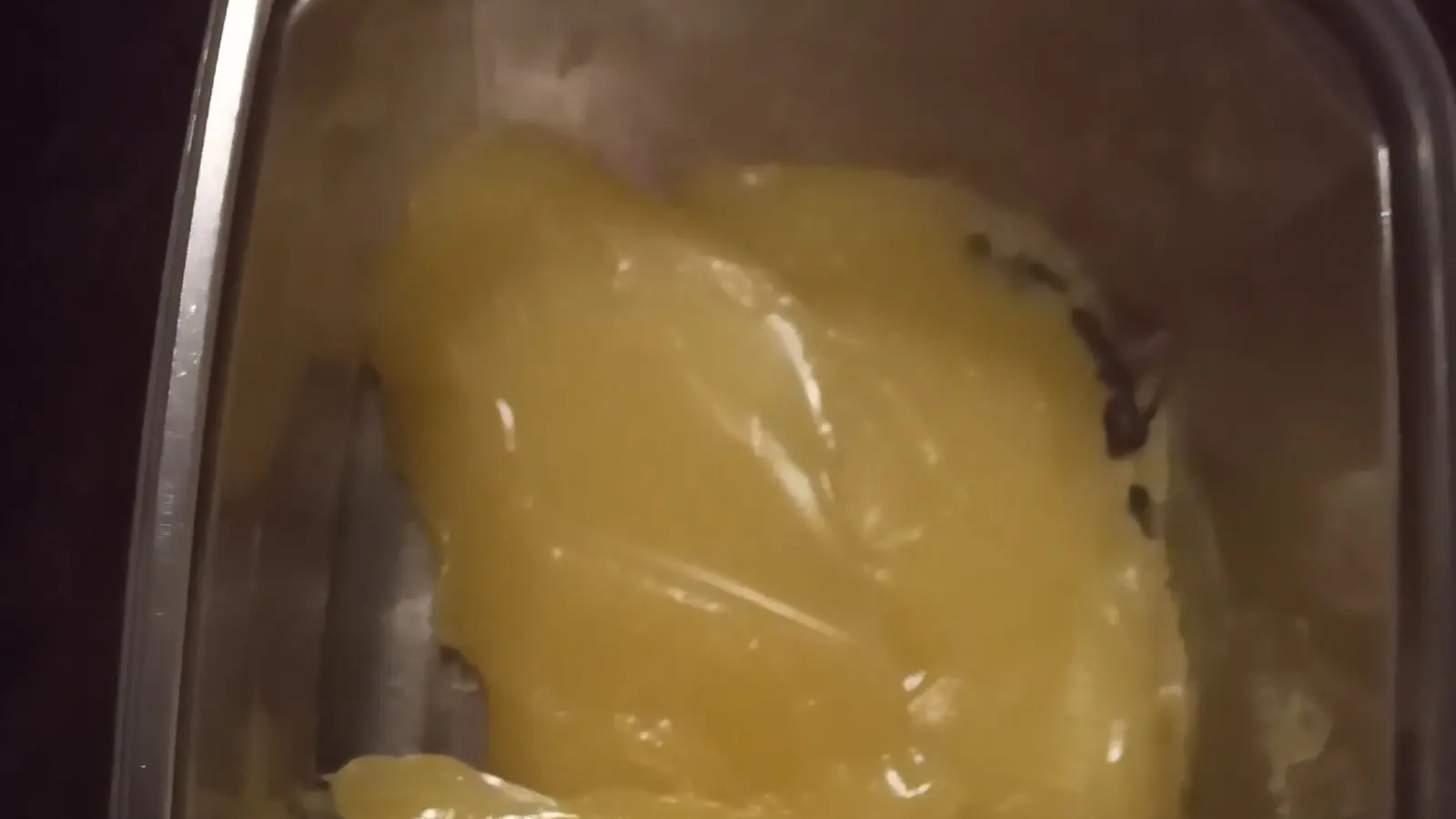

Does nipple cream help sore nipples? Nipple cream can make sore, dry or cracked nipples feel more comfortable, but no cream has strong evidence that it heals them faster, and for most women the pain eases on its own within about 7 to 10 days of birth. The most common cause of sore nipples is how the baby is positioned and attached at the breast, so getting help with feeding matters more than which nipple cream you choose.
Nipple cream for nursing: does it help sore nipples?
Sore nipples are very common at the start. In 360 first-time Australian mothers, Buck and colleagues found 79% had nipple pain before leaving the hospital and 58% had nipple damage at some point in the first 8 weeks; 20% still had pain at 8 weeks, yet 94% were still breastfeeding.
The evidence for treatments is thin. A Cochrane review of four good-quality trials with 656 women compared glycerin pads, lanolin with or without breast shells, expressed breast milk and an all-purpose nipple ointment, and found none with enough evidence to recommend it. Whatever women used, pain fell to mild levels for most of them about 7 to 10 days after birth.
The NHS says sore nipples usually mean the baby isn’t positioned and attached properly, which is why a feeding check comes before any product.
Lanolin nipple cream: what the trials found
Lanolin, a purified wax from sheep’s wool, is the most common nipple cream ingredient. Trials point in different directions:
| Trial | Women | Compared with | Result for lanolin |
|---|---|---|---|
| Abou-Dakn, Germany | 84 | Breast milk | Faster healing, less pain by day 3 |
| Mariani Neto, Brazil | 180 | Breast milk | Only group whose pain improved by day 7 |
| Jackson and Dennis, Canada | 186 | Usual care | No less pain at day 4; more satisfied |
| Vieira, Brazil | 100 | Breast milk + shell | Slower healing, pain eased later |
Taken together, lanolin may help some women feel better, but it isn’t proven to speed healing.
HPA lanolin
HPA stands for highly purified anhydrous lanolin, the grade used in the German and Brazilian trials above where lanolin did better than breast milk. It’s purified lanolin with the water removed; the trials don’t show whether other grades differ.
Lanolin-free nipple cream for wool allergy
Lanolin allergy is uncommon, but it exists. In large patch-test studies of people referred for suspected skin allergy:
- Wakelin and colleagues found an average yearly rate of 1.7% among 24,449 London patients, and called lanolin a relatively uncommon sensitizer, even in people with eczema.
- Warshaw and colleagues found 2.5% of 25,811 North American patients reacted.
- Silverberg and colleagues found 3.3% of 43,691 patients reacted, rising to 4.63% in 2011 to 2018, often linked to personal care products and medications.
Rates in the general population are lower than in these clinic groups. If you’ve reacted to lanolin before, or a lanolin nipple cream makes your nipples redder, itchier or more painful, a lanolin-free nipple cream is the alternative, or expressed breast milk, which the NHS suggests for cracked nipples.
All-purpose nipple ointment (APNO cream)
All-purpose nipple ointment, often called APNO cream, is a compounded mix of an antibiotic, an antifungal and a steroid. In a double-blind trial of 151 women with damaged nipples, Dennis and colleagues found it was no better than lanolin for pain after a week, and women using lanolin were more satisfied with feeding. Because it contains medicines, use it only if your doctor recommends it.
Organic nipple butter and nipple balm
Organic nipple butter and plant-based nipple balm are popular lanolin-free options. We found no trials testing them for nipple pain or healing, so there’s no evidence that they work better or worse than lanolin. If you choose one, a short, fragrance-free ingredient list is easier to check, and it’s worth stopping if your skin reacts.
Nipple crack cream: when to get help
Cracked or bleeding nipples aren’t something to manage with cream alone. The NHS advises early help from a midwife, health visitor or breastfeeding supporter if you have pain at every feed, cracking or bleeding, and warns that cracks raise the risk of infection. For cracks, it suggests dabbing a little expressed breast milk on your nipples after feeds.
Best nipple cream for breastfeeding: what to look for
Since no nipple cream is proven best, choose on safety and comfort:
- Get the latch checked first, since that’s the usual cause of pain.
- Lanolin (HPA) if you’re not allergic to it; it’s the most studied option.
- Lanolin-free nipple cream or expressed breast milk if you have a known wool or lanolin allergy.
- Fragrance-free and a short ingredient list.
- No medicated ointments without a doctor, including APNO.
- Stop and get help if pain gets worse instead of easing after the first week or two.
Related guides
For your baby’s skin, see baby lotion and baby eczema cream.
More in Baby
Baby Laundry Detergent: Do You Need a Special One?
Do you need a baby laundry detergent? Babies don't need a special brand, but fragrance-free, dye-free washing helps their skin. Plus pod safety.
Baby Wipes and Skincare for Sensitive Skin: What to Use
Baby wipes, bath cleansers, moisturizers and diaper creams for dry or eczema-prone baby skin: what research says and which ingredients to avoid.
Hypoallergenic Formula: What the Label Terms Mean
Hypoallergenic formula labels decoded: extensively hydrolyzed, amino acid-based, partially hydrolyzed and gentle, and why switching is a doctor's call.

Hypoallergenic Crib Mattress and Bedding: Safe Sleep First
Hypoallergenic crib mattress and bedding: how to reduce dust and allergens in a crib within safe-sleep rules, and what you can wash, cover and change.
Sources & further reading
- Cochrane Database of Systematic Reviews — Dennis and colleagues, 2014: four trials with 656 women: none of glycerin pads, lanolin, expressed breast milk or all-purpose nipple ointment had enough evidence to be recommended; pain fell to mild for most women about 7 to 10 days after birth. DOI: 10.1002/14651858.CD007366.pub2.
- Breastfeeding Medicine — Buck and colleagues, 2013: of 360 first-time mothers, 79% had nipple pain before leaving hospital and 58% had nipple damage within 8 weeks; 20% still had pain at 8 weeks. DOI: 10.1089/bfm.2013.0106.
- Maternal & Child Nutrition — Jackson and Dennis, 2016: in 186 women with damaged nipples, lanolin didn't reduce pain at 4 days compared with usual care, though users were more satisfied. DOI: 10.1111/mcn.12357.
- Skin Pharmacology and Physiology — Abou-Dakn and colleagues, 2010: in 84 mothers, highly purified anhydrous (HPA) lanolin healed nipple trauma faster and eased pain more by day 3 than expressed breast milk. DOI: 10.1159/000318228.
- Journal of Midwifery & Women's Health — Vieira and colleagues, 2017: in 100 women, breast milk plus a breast shell healed nipple trauma faster and lowered pain sooner than anhydrous lanolin. DOI: 10.1111/jmwh.12644.
- RBGO Gynecology and Obstetrics — Mariani Neto and colleagues, 2018: in 180 women given the same latch instruction, pain improved between 48 hours and 7 days only in the HPA lanolin group, not the breast milk group. DOI: 10.1055/s-0038-1675180.
- Breastfeeding Medicine — Dennis and colleagues, 2012: in 151 women with damaged nipples, a compounded all-purpose nipple ointment (antibiotic, antifungal and steroid) was no better than lanolin for pain after 1 week. DOI: 10.1089/bfm.2011.0121.
- Dermatitis — Warshaw and colleagues, 2009: 2.5% of 25,811 North American patients patch tested with lanolin (wool) alcohol reacted, falling from 3.7% to 1.8% between 1996 and 2006. DOI: 10.2310/6620.2009.08081.
- Dermatitis — Silverberg and colleagues, 2022: 3.3% of 43,691 patients patch tested with lanolin reacted between 2001 and 2018, reaching 4.63% in 2011 to 2018. DOI: 10.1097/der.0000000000000871.
- British Journal of Dermatology — Wakelin and colleagues, 2001: among 24,449 patients patch tested in London, the average yearly rate of lanolin allergy was 1.7%; lanolin is a relatively uncommon sensitizer, even with eczema. DOI: 10.1046/j.1365-2133.2001.04277.x.
- NHS (National Health Service, England) — 2026: sore nipples usually mean the baby isn't positioned and attached well; pain at every feed, cracking or bleeding need early help; for cracks, dab on expressed breast milk after feeds.