Lanolin: What It Is, Uses and Lanolin Allergy
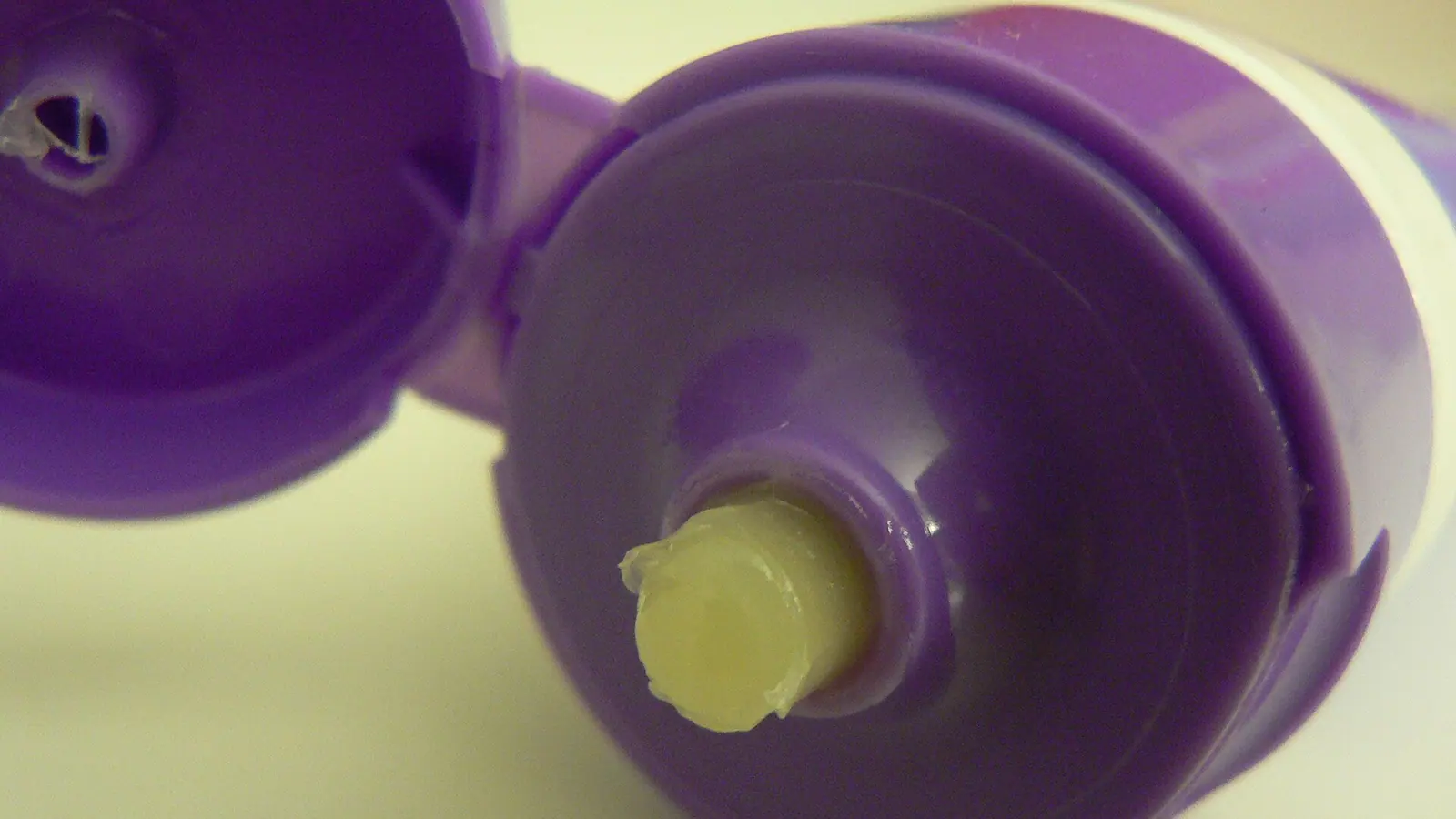

What is lanolin? Lanolin is a soft, yellowish wax that sheep produce to protect their wool. It’s washed out of the fleece, purified, and used in lip balms, nipple creams, ointments and moisturizers because it softens skin and holds in moisture. Most people tolerate it well, but it can cause an allergic rash, especially on skin that is already damaged.
People have used it on skin since ancient Greece, and industrial production began in 19th-century Germany (Life). On labels you’ll also see it as wool wax, wool fat, lanolin alcohol or wool alcohols, or in Latin, adeps lanae.
Lanolin uses
Lanolin works as an emollient (it softens) and an occlusive (it forms a film that slows water loss). The FDA includes it among the active ingredients allowed in over-the-counter skin protectants, at 12.5% to 50% of the product (21 CFR 347.10). Common uses:
- lip balms and treatments for chapped lips
- nipple creams for breastfeeding
- ointments for dry, cracked hands and heels
- creams, moisturizers and some makeup
- the base of some medicated ointments
It’s also widely used in industry (Life), which is why the same word shows up on very different products.
Anhydrous lanolin
“Anhydrous” simply means without water. Anhydrous lanolin is the pure, thick wax sold in tubes and used in many nipple creams, like the ointment in the photo above. Our nipple cream guide covers highly purified (HPA) lanolin, what the breastfeeding trials found and lanolin-free options.
Lanolin allergy
Lanolin allergy is a delayed allergic reaction, a type of contact dermatitis. It’s not common, but it isn’t rare either:
| Study | Patients patch tested | Allergic to lanolin |
|---|---|---|
| London hospital, 1982 to 1996 (BJD) | 24,449 | About 1.7% a year |
| Denmark, 2004 to 2015 (Contact Dermatitis) | 9,577 | Rose from 0.45% to 1.81% |
| Range across studies (Contact Dermatitis) | 1.2% to 6.9% |
These are people already referred for patch testing, so the rate in the general population is lower.
Dermatologists call lanolin a paradox: it sensitizes a high share of patients when it’s in medicines put on broken skin, such as leg ulcers, while millions of people use lanolin cosmetics without trouble (Dermatology). The same person can tolerate it on healthy skin and react on inflamed skin (Life). That’s why the highest rates in the London data were in people with lower leg dermatitis (6.0%) and anogenital dermatitis (3.23%).
Signs of a lanolin allergy: an itchy, red or scaly rash where a lanolin product was used, appearing a day or two later rather than right away, and eczema that gets worse instead of better with a “soothing” ointment.
Testing is tricky. The standard patch test uses wool alcohols, which can miss lanolin allergy. Testing with both lanolin alcohol and a second lanolin preparation, Amerchol L-101, finds significantly more cases (Contact Dermatitis 2019). If you suspect lanolin and a first test was negative, ask your dermatologist whether both were used.
Lanolin for eczema
Lanolin can help hold water in dry skin, but eczema is exactly the situation where caution makes sense. Inflamed skin is more likely to become allergic to it (Life), and the Danish study found a weak link between atopic dermatitis and lanolin allergy (Contact Dermatitis), though the large London study found no difference by atopic eczema (BJD). If your eczema flares after a lanolin cream, stop it and try a plain petrolatum ointment or a lanolin-free moisturizer. Our guides to skin barrier repair and fragrance free moisturizer explain what to look for.
Lanolin for lips
Lanolin is a classic ingredient in lip balms, and many people find it works well on chapped lips. If your lips get more chapped, itchy or swollen with a balm, lanolin is one of the usual suspects, along with fragrance, flavorings and beeswax. Our hypoallergenic lip balm guide lists the ingredients behind lip allergy and how to choose a balm.
Wool allergy
Lanolin allergy and an itch from wearing wool are different things. A review of 100 years of research found no good evidence that wool fiber itself is an allergen; the itch comes from coarse fibers, about 30 micrometers or thicker, poking the skin (Acta Dermato-Venereologica). So a sweater that itches doesn’t mean you’re allergic to lanolin, and a lanolin allergy doesn’t automatically rule out fine wool. Our wool comforter guide covers wool bedding for sensitive skin.
More in Ingredients & materials
Nickel Allergy: Causes, Sources, Rules and Testing
Nickel allergy: why nickel causes allergic contact dermatitis, where it's found, how US and EU rules differ, and how spot tests and patch tests work.
Fragrance Allergy: What 'Fragrance' and 'Parfum' Can Hide
Fragrance allergy: why one word on a label can stand for dozens of chemicals, which allergens dermatologists test for, and US vs EU label rules.
Methylisothiazolinone (MI): A Preservative Allergy Explained
Methylisothiazolinone (MI) and MCI/MI: where they're used, why allergy to them surged, how the EU restricted them, and how to spot them on labels.
Formaldehyde Allergy and Formaldehyde Releasers on Labels
Formaldehyde allergy: which preservatives release formaldehyde, the label names to look for, where else it turns up, and what US and EU rules say.
Sources & further reading
- U.S. Food and Drug Administration (21 CFR 347.10) — Over-the-counter skin protectant active ingredients: lanolin 12.5% to 50%, alongside petrolatum, dimethicone, zinc oxide and others.
- Life — Lis, 2024: review: lanolin is a fatty substance from sheep's fleece, used for skin care, medicines and industry; it protects intact skin and supports its lipid barrier, but can cause contact allergy when applied to inflamed or damaged skin. DOI: 10.3390/life14121553.
- Contact Dermatitis — Fransen and colleagues, 2018: 9,577 patch-tested dermatitis patients in Denmark: lanolin allergy rose from 0.45% in 2004 to 1.81% in 2015; weak association with atopic dermatitis; testing with both lanolin alcohols and Amerchol L-101 finds more cases. DOI: 10.1111/cod.12872.
- The British Journal of Dermatology — Wakelin and colleagues, 2001: 24,449 patch-tested patients in a London hospital (1982 to 1996): about 1.7% a year allergic to wool alcohols; highest rates in lower leg dermatitis (6.0%) and anogenital dermatitis (3.23%); no difference by atopic eczema. DOI: 10.1046/j.1365-2133.2001.04277.x.
- Dermatology — Wolf, 1996: the lanolin paradox: lanolin in medicines for damaged skin sensitizes a high share of patients, while lanolin cosmetics are tolerated by millions; patch tests with wool wax alcohols give false positives and negatives. DOI: 10.1159/000246365.
- Contact Dermatitis — Knijp and colleagues, 2019: 594 patients: testing with lanolin alcohol and Amerchol L101 together detected significantly more lanolin allergy than either alone; reported prevalence in dermatitis patients ranges from 1.2% to 6.9%. DOI: 10.1111/cod.13210.
- Acta Dermato-Venereologica — Zallmann and colleagues, 2017: review of 100 years of literature: no good evidence that wool fiber is an allergen; irritation is linked to coarse fibers of about 30 to 32 micrometers or more. DOI: 10.2340/00015555-2655.