Wool Comforter: Itch, Lanolin and Dust Mites Explained
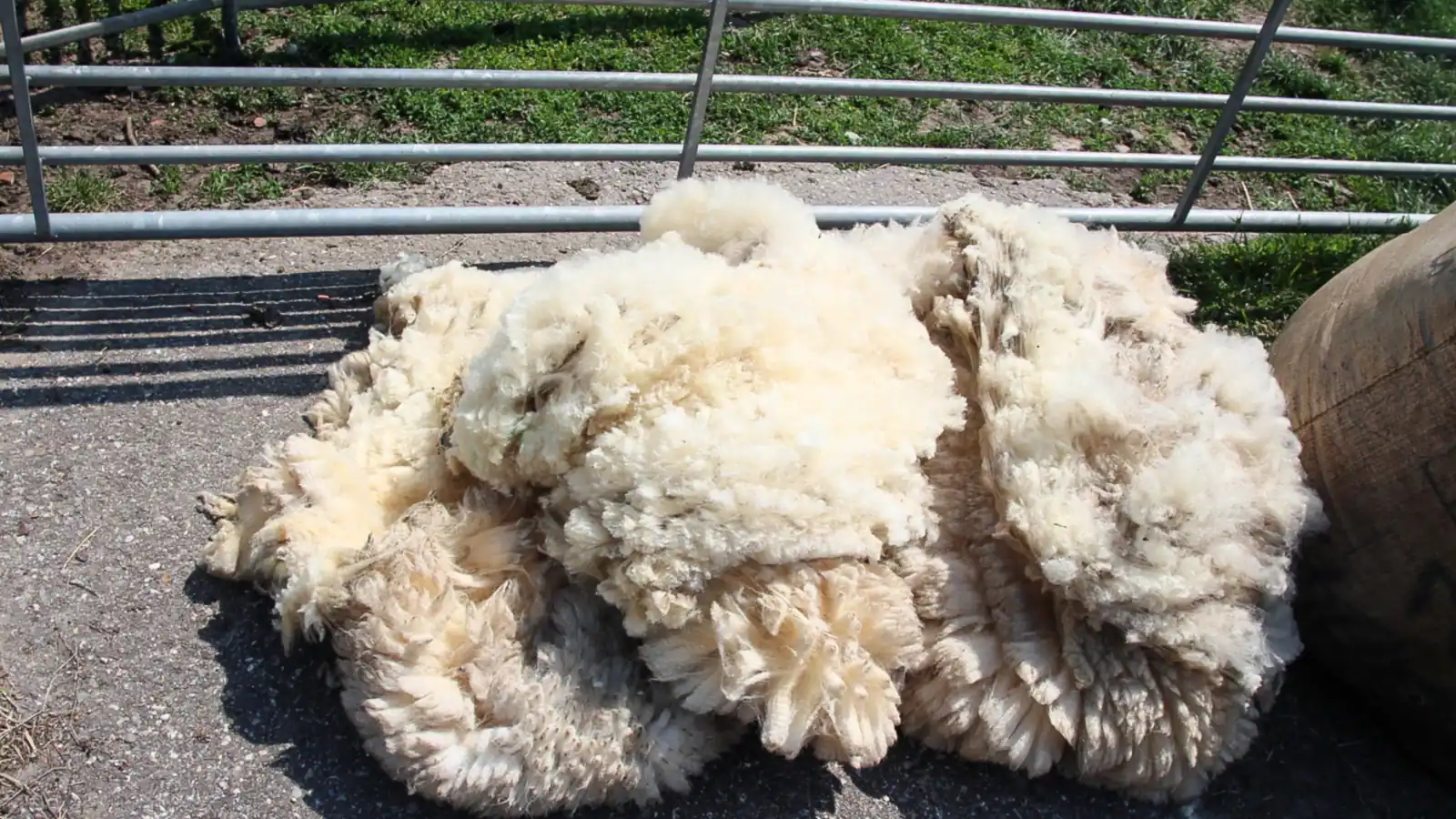

Is a wool comforter OK for sensitive skin? Often, yes. A wool comforter is filled with cleaned sheep’s wool inside a fabric shell, so the fiber doesn’t touch your skin directly. Research finds little evidence that wool itself is an allergen; the itch some people feel comes from coarse fibers poking the skin. Lanolin allergy is real but uncommon and mostly comes from creams. For dust mite allergy, washability is the bigger question.
Can you be allergic to wool?
A review of a century of research by Zallmann and colleagues found no good evidence that wool fiber is an allergen, and judged allergy to lanolin, chromium or formaldehyde from modern wool garments highly unlikely. What does happen is irritation:
- Bendsöe and colleagues found coarse 36 µm wool fabric made 24 girls with eczema itch more than fabric of thinner 20 µm fibers.
- Garnsworthy and colleagues showed that prickle comes from stiff fiber ends pressing on the skin and firing pain-sensing nerve endings.
In a comforter, the wool sits inside a shell fabric, which should limit direct contact. If you’re prone to itch, choose fine wool and a tightly woven cotton shell.
Wool allergy and eczema
Two trials tested fine merino clothing in people with eczema:
- In 39 babies and toddlers, Su and colleagues found superfine merino clothing lowered eczema severity more than cotton after 6 weeks.
- Fowler and colleagues found children and adults with mild to moderate eczema improved while wearing fine merino for 6 weeks, with no negative skin effects.
These tested clothing worn against the skin, not bedding, so they don’t prove a wool comforter helps eczema. They do suggest fine wool needn’t be avoided.
Lanolin allergy
Lanolin (wool fat) is a known contact allergen, but it’s uncommon and usually linked to skin products:
| Study | Patients patch tested | Lanolin allergy |
|---|---|---|
| Wakelin and colleagues, London 1982–1996 | 24,449 | 1.7% a year on average |
| Fransen and colleagues, 2004–2015 | 9,577 | Rose from 0.45% to 1.81% |
| Silverberg and colleagues, North America 2001–2018 | 43,691 | 3.3% |
Silverberg’s group traced reactions mostly to personal care products and medications. Zallmann’s review judged lanolin allergy from modern wool garments highly unlikely. Still, if you’ve been diagnosed with lanolin allergy, ask your dermatologist before choosing wool bedding.
Wool comforters and dust mites
For dust mite allergy, the NIEHS advises replacing wool or feathered bedding with synthetic materials and washing all bedding weekly in hot water at 130 to 140 °F. Many wool comforters can’t be washed hot, which is the main drawback. If you choose wool anyway:
- Use a removable cover and wash it weekly in hot water.
- Check the care label: some wool comforters are machine washable, others need professional cleaning.
- Consider an allergen-proof duvet cover to encase the comforter.
Comparing fills? See hypoallergenic comforter, down alternative comforter and hypoallergenic down comforter.
More in Bedding
Dust Mite Mattress Cover: What to Look For in Encasements
A dust mite mattress cover is the core of bedroom mite control. What pore size, zippers and breathability mean, and what studies say covers can do.

Hypoallergenic Pillows: What the Fill Really Changes
Hypoallergenic pillows usually just have a synthetic fill. What fill changes for dust mite and feather allergies, and the washing habits that matter.

How to Get Rid of Dust Mites in Bed: A Washing Checklist
How to get rid of dust mites in bed: the water temperature that kills them, how often to wash, and the bedroom changes that cut mite allergen.
Hypoallergenic Mattress: What Actually Lowers Dust Mites
Hypoallergenic mattress guide: why mattresses hold the most dust mite allergen, research on surface fabric, age and humidity, and what really helps.
Sources & further reading
- Acta Dermato-Venereologica — Zallmann and colleagues, 2017: review of 100 years of literature finding no good evidence that wool fiber is an allergen; irritation linked to coarse fibers of about 30 to 32 µm or more. DOI: 10.2340/00015555-2655.
- Contact Dermatitis — Bendsöe and colleagues, 1987: in 24 girls with eczema, coarse 36 µm wool fabric caused more itching than thinner 20 µm wool. DOI: 10.1111/j.1600-0536.1987.tb02638.x.
- Journal of Neurophysiology — Garnsworthy and colleagues, 1988: nerve recordings showing fabric prickle comes from stiff protruding fiber ends that fire pain-sensing nerve endings. DOI: 10.1152/jn.1988.59.4.1083.
- British Journal of Dermatology — Su and colleagues, 2017: crossover trial in 39 babies and toddlers with eczema: superfine merino clothing lowered severity scores more than cotton after 6 weeks. DOI: 10.1111/bjd.15376.
- Dermatitis — Fowler and colleagues, 2019: children and adults with mild to moderate eczema improved while wearing fine merino clothing for 6 weeks, with no negative skin effects. DOI: 10.1097/der.0000000000000449.
- Dermatitis — Silverberg and colleagues, 2022: 3.3% of 43,691 North American patients patch tested reacted to lanolin, usually traced to personal care products and medications. DOI: 10.1097/der.0000000000000871.
- Contact Dermatitis — Fransen and colleagues, 2017: lanolin allergy among 9,577 dermatitis patients rose from 0.45% to 1.81% between 2004 and 2015. DOI: 10.1111/cod.12872.
- British Journal of Dermatology — Wakelin and colleagues, 2001: mean yearly lanolin allergy rate of 1.7% among 24,449 patients patch tested in London. DOI: 10.1046/j.1365-2133.2001.04277.x.
- National Institute of Environmental Health Sciences (NIH) — advises people with dust mite allergy to replace wool or feathered bedding with synthetic materials and wash bedding weekly at 130 to 140 °F.