Down Alternative Comforter: Is Synthetic Better for Allergy?
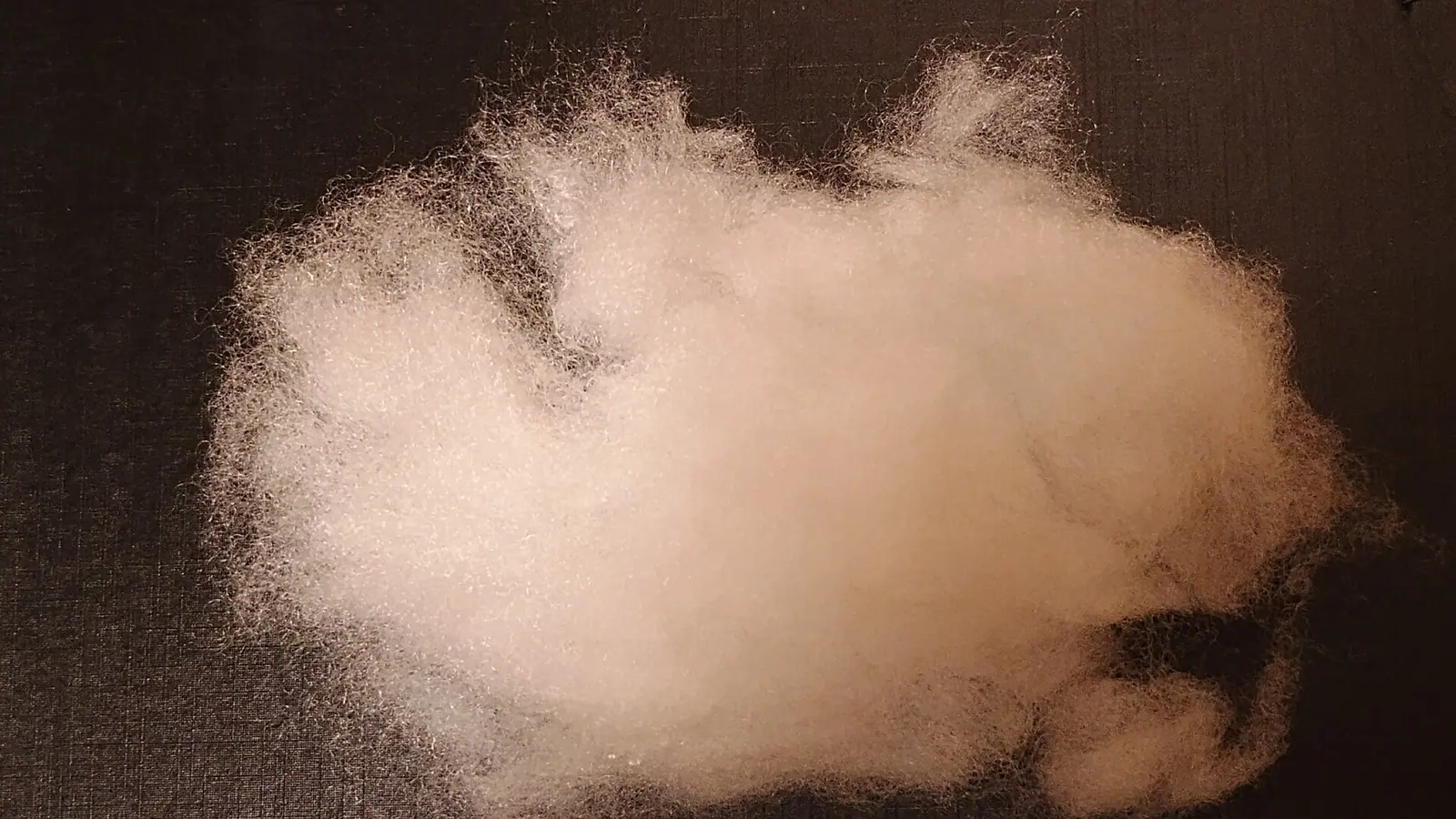

Is a down alternative comforter better for allergies? A down alternative comforter is filled with synthetic fiber, usually polyester, instead of duck or goose down. Agencies such as the NIEHS advise synthetic bedding for dust mite allergy, but studies that measured allergen found synthetic bedding often held more of it, mainly because of a looser shell fabric. What matters most is a tight weave and frequent hot washing.
Down alternative vs down: the official advice
The NIEHS suggests replacing wool or feathered bedding with synthetic materials and washing all bedding weekly in hot water at 130 to 140 °F. The NHS also recommends synthetic bedding and covers, washed at 60 °C (140 °F) or above. A big advantage of synthetic fill is that it usually tolerates hot washing.
What the bedding studies found. Researchers who measured allergen and followed children found results that point the other way:
- More mite allergen. Rains and colleagues placed new synthetic and feather pillows on the same beds; after a year the synthetic ones held about three times more mite allergen.
- More pet allergen. Custovic and colleagues found synthetic pillows held 6.7 times more cat allergen and 8 times more dog allergen than feather pillows from the same beds.
- More mold. Woodcock and colleagues found synthetic pillows carried more fungal species than feather ones.
- Children’s breathing. In 2,531 Norwegian children, Nafstad and colleagues found those sleeping under a feather quilt at 6 months had lower odds of asthma by age 4 than those with synthetic quilts.
Most of these studies looked at pillows, and observational studies can be biased if allergic families avoid feathers. The one randomized trial, by Glasgow and colleagues, gave 197 mite-sensitized children with asthma either feather bedding or standard advice; after a year there was no difference. Neither fill has been proven better.
What is down alternative? Types of fill
The label covers several different synthetic fills. These are product descriptions, not tested allergy rankings:
| Fill | What it is | Practical notes |
|---|---|---|
| Polyester fiberfill | Crimped polyester fibers, the most common fill | Usually machine washable; can flatten and clump with age |
| Microfiber | Very fine polyester fibers | Softer, more down-like feel; same washing rules as polyester |
| Fiber clusters | Polyester fibers rolled into small balls | Designed to imitate down clusters and resist clumping |
| Lyocell or other cellulose blends | Fibers regenerated from wood or bamboo cellulose | Check the label for the maximum wash temperature |
Whatever the fill, check the care label for the wash temperature and whether it fits your machine; that decides how well you can keep allergen down.
Best down alternative comforter: why the shell matters more than the fill
Feathers need a dense casing so quills don’t poke through, and that casing also blocks mites. Siebers and colleagues found all 20 live mites crossed a standard polyester covering within a day, while none crossed a feather covering or a newer tightly woven polyester-cotton one in two days. A down alternative comforter with a tightly woven shell gets the same barrier.
How to choose a down alternative comforter
- Tightly woven shell (cotton or polyester-cotton), ideally with a stated pore size or independent test.
- Machine washable hot, at 60 °C (140 °F) if the label allows, and small enough for your washer.
- Use a removable cover and wash it weekly; see how often should you wash your sheets.
- Replace it when it’s old and lumpy rather than trying to rescue it.
For more on fills and covers, see hypoallergenic comforter and, if you’re open to feathers, hypoallergenic down comforter. For dust mite and pet dander allergy, add a dust mite pillow cover.
More in Bedding
Dust Mite Mattress Cover: What to Look For in Encasements
A dust mite mattress cover is the core of bedroom mite control. What pore size, zippers and breathability mean, and what studies say covers can do.

Hypoallergenic Pillows: What the Fill Really Changes
Hypoallergenic pillows usually just have a synthetic fill. What fill changes for dust mite and feather allergies, and the washing habits that matter.

How to Get Rid of Dust Mites in Bed: A Washing Checklist
How to get rid of dust mites in bed: the water temperature that kills them, how often to wash, and the bedroom changes that cut mite allergen.

Hypoallergenic Mattress: What Actually Lowers Dust Mites
Hypoallergenic mattress guide: why mattresses hold the most dust mite allergen, research on surface fabric, age and humidity, and what really helps.
Sources & further reading
- National Institute of Environmental Health Sciences (NIH) — advice to replace wool or feathered bedding with synthetic materials and wash bedding weekly in hot water at 130 to 140 °F.
- NHS — recommends synthetic bedding and covers and washing bedding regularly at 60 °C or above for allergic rhinitis.
- Clinical and Experimental Allergy — Rains and colleagues, 1999: new synthetic pillows held about three times more mite allergen than feather pillows after a year on the same beds. DOI: 10.1046/j.1365-2222.1999.00470.x.
- Pediatric Allergy and Immunology — Custovic and colleagues, 2000: synthetic pillows held 6.7 times more cat allergen and 8 times more dog allergen than feather pillows, attributed to the tighter feather casing. DOI: 10.1034/j.1399-3038.2000.00072.x.
- Clinical and Experimental Allergy — Siebers and colleagues, 2004: live mites crossed a standard polyester covering within 24 hours but not a feather or tightly woven polyester-cotton covering in 48 hours. DOI: 10.1111/j.1365-2222.2004.01972.x.
- Clinical and Experimental Allergy — Nafstad and colleagues, 2002: cohort of 2,531 Norwegian children: feather quilt use at 6 months was linked to lower odds of bronchial obstruction and asthma than synthetic quilts. DOI: 10.1046/j.1365-2745.2002.01415.x.
- Archives of Disease in Childhood — Glasgow and colleagues, 2011: the only randomized trial: in 197 mite-sensitized children with asthma, feather bedding made no difference to wheeze or other outcomes after a year. DOI: 10.1136/adc.2010.189696.
- Allergy — Woodcock and colleagues, 2005: used pillows grew 4 to 16 fungal species each, with synthetic pillows carrying more species than feather ones. DOI: 10.1111/j.1398-9995.2005.00941.x.