Is Brass Hypoallergenic? Copper, Nickel and Lead
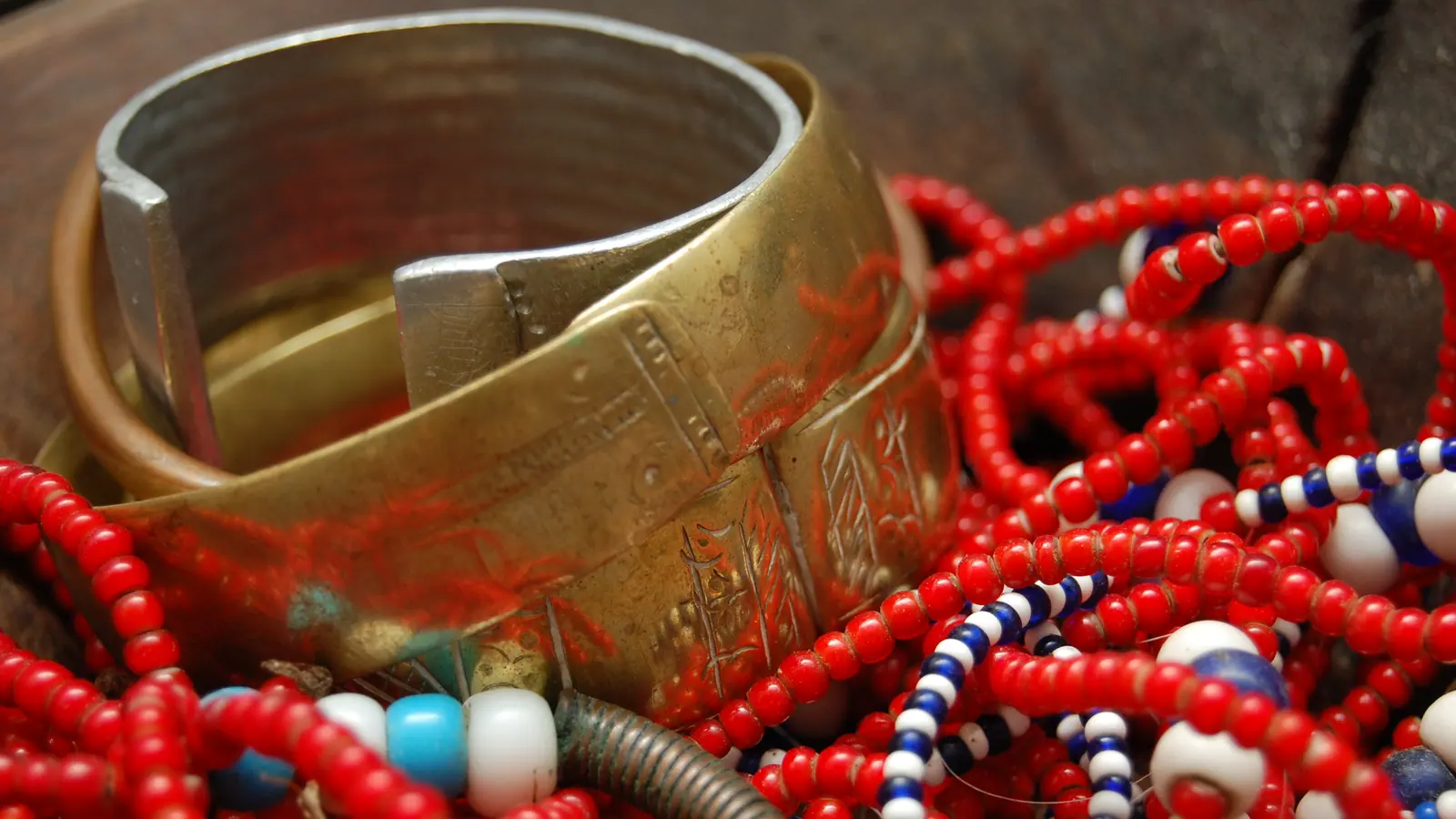
Is brass hypoallergenic? Not reliably. Brass is a copper alloy, and copper is a very weak skin allergen. But brass jewelry is often plated, mixed with other metals, or simply sold as “brass” without anyone checking, and inexpensive jewelry metal frequently releases nickel. If you’re nickel-allergic, treat brass as unknown until you know what it contains.
What is brass made of?
Brass is an alloy of copper and zinc. The Agency for Toxic Substances and Disease Registry notes that copper is combined with other metals to make brass and bronze, and its zinc fact sheet lists brass among the alloys made by mixing zinc with other metals. People are exposed to copper by touching products that contain it.
Copper rarely causes allergy. Copper allergy exists but is uncommon. Pooling patch-test data, Fage and colleagues found a weighted average of 3.8% of people with suspected copper exposure or symptoms reacted to copper, and concluded it’s a very weak sensitizer compared with metals such as nickel. Our is copper hypoallergenic guide covers copper in more detail.
Does brass contain nickel? What else is in brass jewelry
Nickel isn’t one of brass’s basic ingredients, but brass jewelry can still contain it in the alloy or hide it under plating. Nickel and other metals that can end up in inexpensive jewelry are the bigger problem:
- Nickel. When Hamann and colleagues analyzed 956 jewelry parts, copper, iron and zinc were the most common elements, followed by nickel. Of 96 U.S.-bought items tested in artificial sweat, 79 released nickel.
- Nickel silver. This alloy looks like brass or silver but contains nickel. Patch testing 100 nickel-allergic people, Lidén and colleagues found nickel silver caused reactions, as did nickel layers hidden under gold, silver or chromium plating.
- Brand matters. In Korea, Cheong and colleagues found nickel release in 12.4% of branded jewelry but 70.8% of non-branded pieces.
Many brass pieces are also plated with gold or silver tones, and a plated item behaves like whatever is underneath once the plating wears.
Lead in cheap jewelry. Lead isn’t an allergy issue, but it’s the other reason to be careful with inexpensive metal jewelry, especially around children. In the Hamann study, 37 of 96 U.S. items released lead. Weidenhamer and Clement found that 42.6% of 139 inexpensive jewelry items from U.S. retail chains were more than 80% lead by weight, and Yost and Weidenhamer found 50 of 64 leaded items exceeded the then U.S. limit for accessible lead, despite plating. These studies covered cheap jewelry in general, not brass specifically.
The rules differ by region. The EU bans lead at 0.05% or more by weight in any individual jewelry part under REACH Annex XVII entry 63. The U.S. Consumer Product Safety Commission says young children shouldn’t chronically ingest more than 15 µg of lead a day from consumer products, and lists children’s jewelry among products recalled for lead. Keep cheap metal jewelry away from small children who may mouth it.
Does brass turn your skin green?
It can. Brass is a copper alloy, and a dermatology report by Peterson and colleagues describes external copper as a well-known cause of blue-green staining of the skin, hair and nails. It’s a stain, not an allergy: in Peterson’s case the color faded once the copper exposure stopped. An itchy, red or blistering rash under brass is different: that points to an allergy, most often to nickel in the alloy or plating, as described above. Our is copper hypoallergenic guide covers copper itself.
Should you wear brass jewelry if you have a nickel allergy?
| Situation | Practical answer |
|---|---|
| Solid brass from a maker who states the alloy | Copper itself is a very weak allergen; ask what else is in the alloy |
| Plated brass, or “brass” with no details | Treat as possibly nickel-releasing |
| Earrings or anything in a piercing | Choose a stated low-nickel metal instead |
| Children’s jewelry | Avoid unknown cheap metal because of lead |
For pierced ears, brass isn’t a good post material if you react easily; see earrings for sensitive ears.
Related guides
For other everyday metals, compare is sterling silver hypoallergenic, is stainless steel hypoallergenic and is 14k gold hypoallergenic. For brass cuffs and bangles, see hypoallergenic bracelet.
More in Jewelry
Hypoallergenic Earrings: Metals That Avoid Nickel
Hypoallergenic earrings explained: which metals avoid nickel, how to read the label, and what to ask a seller before you buy a pair for sensitive ears.
Titanium vs Surgical Steel: Which Suits Sensitive Skin?
Titanium vs surgical steel for nickel allergy: grades, nickel content, ASTM implant specifications, cost, and when each metal makes sense for your skin.
Is Sterling Silver Hypoallergenic? What Nickel Allergy Means
Is sterling silver hypoallergenic? Usually low in nickel, but plating, cheap alloys and tarnish complicate it. When silver suits sensitive skin.
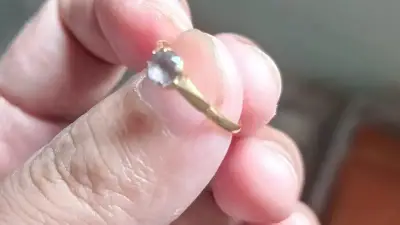
Is 14k Gold Hypoallergenic? Karats, Alloys and Nickel
Is 14k gold hypoallergenic? Pure gold rarely causes reactions, but its alloy metals can. How karat, white or rose color and plating change nickel risk.
Sources & further reading
- Agency for Toxic Substances and Disease Registry — 2026: copper is combined with other metals to make brass and bronze, and people can be exposed by touching products that contain it.
- Agency for Toxic Substances and Disease Registry — 2014: zinc is mixed with other metals to make alloys such as brass and bronze.
- Contact Dermatitis — Fage and colleagues, 2014: a weighted average of 3.8% of people with suspected copper exposure or symptoms reacted to copper; copper is a very weak sensitizer compared with nickel. DOI: 10.1111/cod.12273.
- Contact Dermatitis — Hamann and colleagues, 2015: copper, iron and zinc were the most common elements in 956 jewelry parts, followed by nickel; 79 of 96 U.S. items released nickel and 37 released lead. DOI: 10.1111/cod.12434.
- British Journal of Dermatology — Lidén and colleagues, 1996: nickel silver and nickel underlayers beneath plating caused reactions in 100 nickel-allergic people, while non-plated stainless steels did not. DOI: 10.1111/j.1365-2133.1996.tb07601.x.
- Contact Dermatitis — Cheong and colleagues, 2013: nickel was released by 12.4% of branded and 70.8% of non-branded jewelry sold in Korea. DOI: 10.1111/cod.12141.
- Chemosphere — Weidenhamer and Clement, 2007: 42.6% of 139 inexpensive jewelry items from U.S. retail chains were more than 80% lead by weight. DOI: 10.1016/j.chemosphere.2006.10.071.
- Integrated Environmental Assessment and Management — Yost and Weidenhamer, 2008: 50 of 64 inexpensive leaded jewelry items exceeded the then U.S. limit for accessible lead, undercutting the idea that plating seals lead in. DOI: 10.1897/ieam_2007-071.1.
- European Union (EUR-Lex) — 2026: REACH Annex XVII entry 63 bans lead at 0.05% or more by weight in any individual part of jewelry.
- U.S. Consumer Product Safety Commission — 2025: young children shouldn't chronically ingest more than 15 µg of lead a day from consumer products; children's jewelry has led to lead recalls.
- Cutis — Peterson and colleagues, 2006: cupric keratosis case report: exogenous copper is a well-known cause of blue-green dyspigmentation of the hair, nails and skin.