Is Copper Hypoallergenic? Copper Jewelry and Sensitive Skin
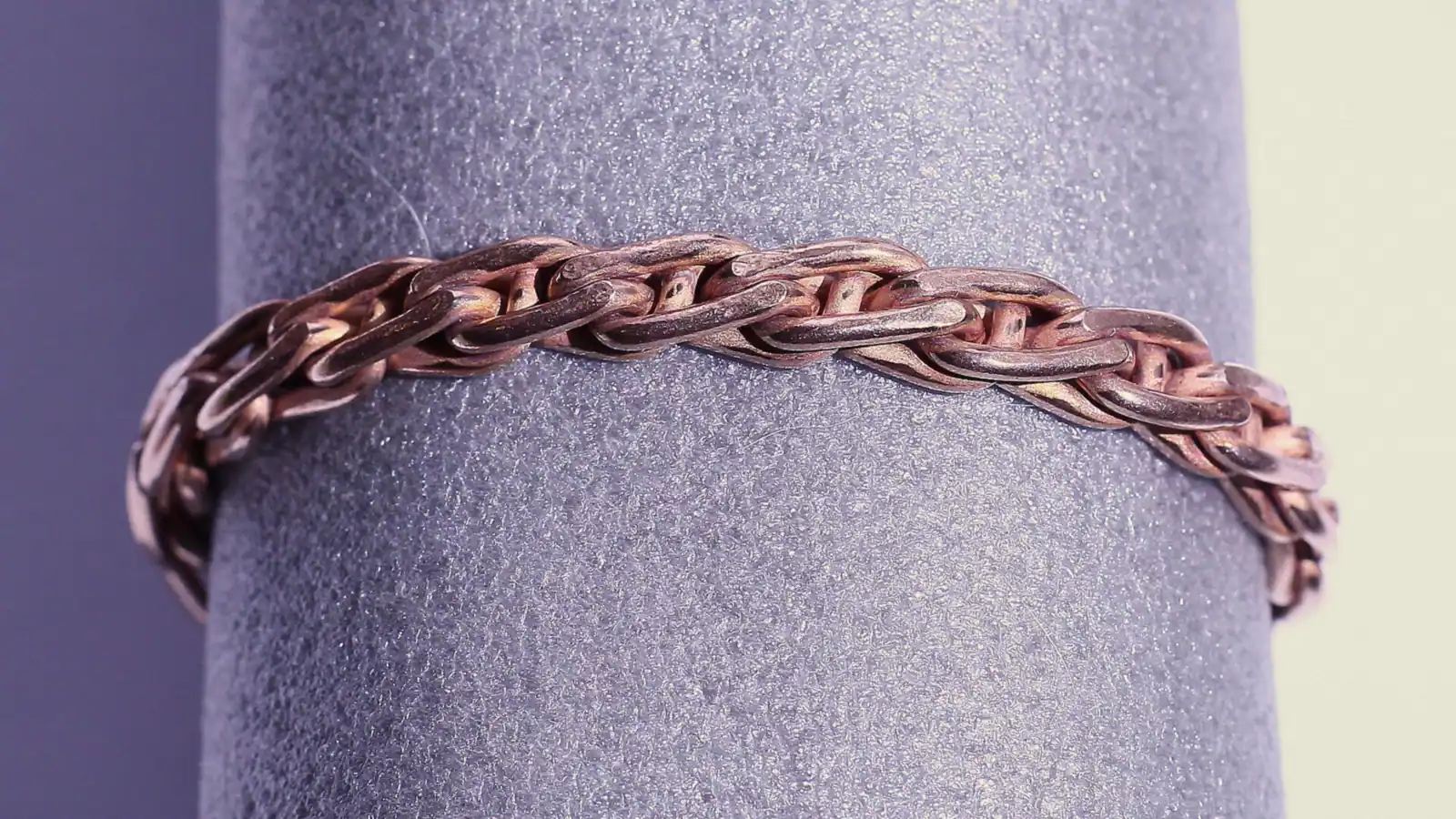

Is copper hypoallergenic? Mostly, yes. Copper itself is a very weak skin allergen, and true copper allergy from jewelry is rare. The caveat is that a lot of copper-colored jewelry isn’t pure copper: it may be an alloy, plated, or made with other metals that release nickel. A solid copper piece from a maker who states what it is carries little allergy risk for most people.
How rare is copper allergy?
Rare, especially from skin contact. Pooling patch-test data, Fage and colleagues found a weighted average of 3.8% of people with suspected copper exposure or symptoms tested positive to copper, and concluded that copper is a very weak sensitizer compared with metals such as nickel, causing relevant allergy only in a few cases. Keep in mind that figure comes from people already suspected of a copper problem, not the general public.
A review by Hostynek and Maibach reached the same conclusion from another angle. Animal tests show copper has a low potential to sensitize skin, and despite how often people touch copper through coins and jewelry, unambiguous reports of copper allergy are extremely rare. Most of those reports involve copper IUDs or dental materials rather than skin contact.
Copper is a nutrient, not a skin toxin. The Agency for Toxic Substances and Disease Registry describes copper as an essential nutrient found in many foods. The health effects it lists come from swallowing too much, for example from copper pipes and acidic water, or from breathing copper dust, not from wearing it on the skin.
Copper allergy or something else in the metal?
The bigger risk is what’s mixed in. When Hamann and colleagues analyzed 956 jewelry parts from around the world, copper was the most common element, ahead of iron, zinc and nickel. Many of the pieces released other metals in artificial sweat: of 96 U.S.-bought items, 79 released nickel, 35 cobalt and 37 lead. So if a “copper” bracelet gives you an itchy rash, nickel or cobalt in the alloy or plating is a more likely cause than the copper.
Brass and bronze are copper alloys too; see is brass hypoallergenic for what that means.
Copper bracelet for arthritis: do the benefits hold up?
Many people wear copper bracelets for joint pain rather than looks. Two blinded trials tested this:
- In a double-blind crossover trial, Richmond and colleagues had 70 people with painful rheumatoid arthritis wear a copper bracelet, a magnetic wrist strap and two placebo devices in turn. There were no significant differences in pain, inflammation, physical function, disease activity or medication use.
- In 45 people with osteoarthritis wearing four devices over 16 weeks, an earlier trial by Richmond and colleagues found no differences in pain, stiffness, function or medication use. The authors attributed reported benefits to placebo, while noting the bracelets had no major side effects.
So a copper bracelet is a fine piece of jewelry for most sensitive skin, but not a treatment.
Is copper hypoallergenic in jewelry? How to choose
| What you see | What to do |
|---|---|
| “Solid copper” or “pure copper” with the maker named | Low allergy risk for most people |
| “Copper tone,” “copper finish” or no details | May be plated over another metal; ask |
| Copper bracelet with a magnetic or metal clasp | Check what the clasp is made of |
| Earrings or anything for a piercing | Choose a stated low-nickel metal instead; see earrings for sensitive ears |
Related guides
For bracelets in general, see hypoallergenic bracelet. Other metals are compared in is sterling silver hypoallergenic and is stainless steel hypoallergenic, and the rash itself in nickel allergy symptoms.
More in Jewelry
Hypoallergenic Earrings: Metals That Avoid Nickel
Hypoallergenic earrings explained: which metals avoid nickel, how to read the label, and what to ask a seller before you buy a pair for sensitive ears.
Titanium vs Surgical Steel: Which Suits Sensitive Skin?
Titanium vs surgical steel for nickel allergy: grades, nickel content, ASTM implant specifications, cost, and when each metal makes sense for your skin.
Is Sterling Silver Hypoallergenic? What Nickel Allergy Means
Is sterling silver hypoallergenic? Usually low in nickel, but plating, cheap alloys and tarnish complicate it. When silver suits sensitive skin.
Is 14k Gold Hypoallergenic? Karats, Alloys and Nickel
Is 14k gold hypoallergenic? Pure gold rarely causes reactions, but its alloy metals can. How karat, white or rose color and plating change nickel risk.
Sources & further reading
- Contact Dermatitis — Fage and colleagues, 2014: a weighted average of 3.8% of people with suspected copper exposure or symptoms reacted to copper; copper is a very weak sensitizer compared with other metals. DOI: 10.1111/cod.12273.
- Dermatologic Therapy — Hostynek and Maibach, 2004: copper has low skin-sensitizing potential in animal tests, and despite wide contact through coins and jewelry, clear reports of copper allergy are extremely rare, mostly involving IUDs or dental materials. DOI: 10.1111/j.1396-0296.2004.04035.x.
- Contact Dermatitis — Hamann and colleagues, 2015: copper was the most common element in 956 jewelry parts; 79, 35 and 37 of 96 U.S. items released nickel, cobalt and lead respectively. DOI: 10.1111/cod.12434.
- PLoS ONE — Richmond and colleagues, 2013: double-blind crossover trial in 70 people with rheumatoid arthritis: copper bracelets made no significant difference to pain, inflammation or function. DOI: 10.1371/journal.pone.0071529.
- Complementary Therapies in Medicine — Richmond and colleagues, 2009: in 45 people with osteoarthritis, a copper bracelet didn't change pain, stiffness or function over 16 weeks, and the bracelets had no major side effects. DOI: 10.1016/j.ctim.2009.07.002.
- Agency for Toxic Substances and Disease Registry — 2026: copper is an essential nutrient used in wiring, plumbing and to make brass and bronze; its health effects come from swallowing or breathing too much, not from skin contact.