Hypoallergenic Bracelet: Metals for Sensitive Wrists
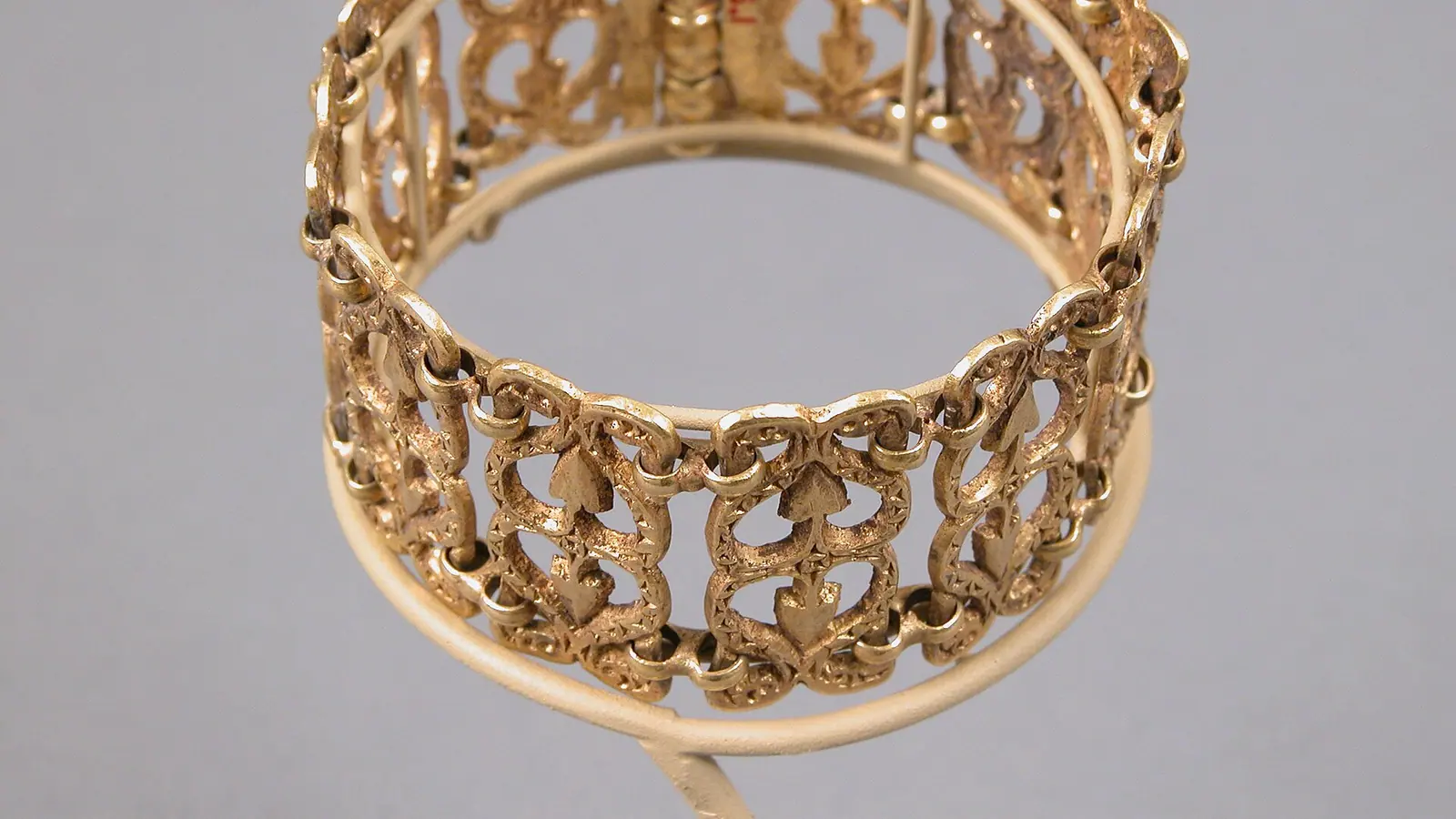

What is the best hypoallergenic bracelet? A hypoallergenic bracelet releases little or no nickel from every part that touches your skin, which means checking the clasp, the links and any plating, not just the main band. Solid metals of a stated grade or purity, or nickel-free materials, are the safer choices. The same rules apply to a hypoallergenic anklet, which sits on warm, often sweaty skin for hours.
Nickel free bracelet: what the rules require
The EU names wrist and ankle jewelry specifically. Under REACH Annex XVII entry 27, bracelets, chains, anklets, wrist-watch cases, watch straps and tighteners are articles in direct, prolonged skin contact, and their skin-touching parts may not release more than 0.5 µg of nickel per cm² per week. Coatings must keep release within that limit for at least two years of normal use.
Why wrists react. Wrist rashes are a classic sign of nickel allergy. MedlinePlus lists nickel in jewelry and watch straps among the common causes of allergic contact dermatitis, and notes people may tolerate something for years before becoming allergic. When Lidén and colleagues studied 100 nickel-allergic people, ear jewelry, wristwatches and buttons were the items most often blamed. Nickel layers under gold, silver or chromium plating caused reactions in their patch tests, while three unplated stainless steels caused none.
Warmth may play a part. Menné and Solgaard found that raising the temperature from 20 °C to a skin-like 35 °C increased nickel release from some alloys, though not all. A bracelet or anklet held against warm skin all day is exactly that situation.
Why a hypoallergenic bracelet can still cause a rash
A bracelet sold as hypoallergenic can still cause a rash if its clasp, plating or band releases nickel, cobalt or chromium. Small metal fastenings are a common hidden source. In a study of 701 belt buckles, Hamann and colleagues found 60% of those bought in China and 55.7% of those bought in the U.S. released nickel. Bracelet clasps weren’t tested, but the lesson carries over: a bracelet made of a safe material can still have a cheap metal clasp or a plated catch. If a rash shows up only at one spot on your wrist, look at what touches there.
Costume bracelets. Inexpensive bracelets fail often. In Thailand, Boonchai and colleagues spot tested 551 used costume jewelry items, including bracelets and watches. 39.2% released nickel and 37.4% released cobalt, shopping location and price predicted release, and cobalt-releasing pieces tended to be dark in color. In Korea, Cheong and colleagues found nickel release in 12.4% of branded jewelry versus 70.8% of non-branded jewelry.
Leather bands aren’t automatically safe. Switching to leather avoids metal on most of the band, but leather has its own allergen. Chrome-tanned leather contains chromium. When Hedberg and colleagues had 10 chromium-allergic people wear a chrome-tanned leather bracelet 12 hours a day for 3 weeks, 4 developed allergic reactions within 7 to 21 days, even though only 1 had reacted to the leather on a standard patch test. If you know you’re chromium-allergic, ask for a band that isn’t chrome-tanned, or a non-leather one.
Hypoallergenic anklet or bracelet: what to choose
| Option | What to check |
|---|---|
| Solid gold, stated karat | Clasp and any plating; see is 14k gold hypoallergenic |
| Sterling silver | Plating and clasp; see is sterling silver hypoallergenic |
| Stainless steel | Stated grade, unplated; see is stainless steel hypoallergenic |
| Titanium | See is titanium hypoallergenic |
| Fabric, silicone or leather that isn’t chrome-tanned | Check the metal clasp |
| Brass or copper cuffs | See is brass hypoallergenic and is copper hypoallergenic |
| Dark or gunmetal costume pieces | Possible cobalt as well as nickel |
Titanium bracelet
Titanium is a good bracelet metal if you react to nickel: allergy to it is rare, found in 0.6% of 1,500 implant patients by Sicilia and colleagues. The parts to check are the ones that aren’t titanium. Some titanium bracelets have steel clasps, magnets or links, and black or colored versions may be coated. Ask what the clasp is made of, and for a medical alert bracelet you’ll wear every day, choose one where the plate, links and clasp are all titanium. Our is titanium hypoallergenic guide covers the rare cases of titanium allergy.
Related guides
Watch bands are covered in hypoallergenic watch band, and chains in hypoallergenic necklace. For the rash and its other everyday sources, see nickel allergy symptoms.
More in Jewelry
Hypoallergenic Earrings: Metals That Avoid Nickel
Hypoallergenic earrings explained: which metals avoid nickel, how to read the label, and what to ask a seller before you buy a pair for sensitive ears.
Titanium vs Surgical Steel: Which Suits Sensitive Skin?
Titanium vs surgical steel for nickel allergy: grades, nickel content, ASTM implant specifications, cost, and when each metal makes sense for your skin.
Is Sterling Silver Hypoallergenic? What Nickel Allergy Means
Is sterling silver hypoallergenic? Usually low in nickel, but plating, cheap alloys and tarnish complicate it. When silver suits sensitive skin.
Is 14k Gold Hypoallergenic? Karats, Alloys and Nickel
Is 14k gold hypoallergenic? Pure gold rarely causes reactions, but its alloy metals can. How karat, white or rose color and plating change nickel risk.
Sources & further reading
- European Union (EUR-Lex) — 2026: REACH Annex XVII entry 27 names bracelets, chains, anklets, watch cases and straps; skin-touching parts may not release more than 0.5 µg/cm²/week of nickel, and coatings must hold that for two years.
- MedlinePlus (U.S. National Library of Medicine) — 2026: nickel in jewelry and watch straps is a common cause of allergic contact dermatitis; people may tolerate a substance for years before becoming allergic.
- British Journal of Dermatology — Lidén and colleagues, 1996: ear ornaments, wristwatches and buttons were most often blamed for dermatitis; nickel under plating caused reactions while non-plated stainless steels did not. DOI: 10.1111/j.1365-2133.1996.tb07601.x.
- Dermatitis — Boonchai and colleagues, 2015: of 551 used costume jewelry items including bracelets and watches, 39.2% released nickel and 37.4% cobalt; dark pieces tended to release cobalt. DOI: 10.1097/der.0000000000000100.
- Dermatitis — Hamann and colleagues, 2012: over half of 701 belt buckles bought in China and the U.S. released nickel, showing worn metal fastenings are an important nickel source. DOI: 10.1097/der.0b013e318250c354.
- Contact Dermatitis — Hedberg and colleagues, 2018: 4 of 10 chromium-allergic people reacted to a chrome-tanned leather bracelet worn 12 hours a day for 3 weeks, though only 1 reacted on standard patch testing. DOI: 10.1111/cod.12946.
- Contact Dermatitis — Cheong and colleagues, 2013: nickel was released by 12.4% of branded and 70.8% of non-branded jewelry sold in Korea; cobalt by 6.2% of items. DOI: 10.1111/cod.12141.
- Contact Dermatitis — Menné and Solgaard, 1979: warming from 20 °C to skin-like 35 °C increased nickel release from some alloys, which matters for metal worn against warm skin. DOI: 10.1111/j.1600-0536.1979.tb04803.x.
- Clinical Oral Implants Research — Sicilia and colleagues, 2008: only 9 of 1,500 dental implant patients (0.6%) tested positive for titanium allergy. DOI: 10.1111/j.1600-0501.2008.01544.x.