Hypoallergenic Cat Shampoo: Safe Ingredients, Real Effects
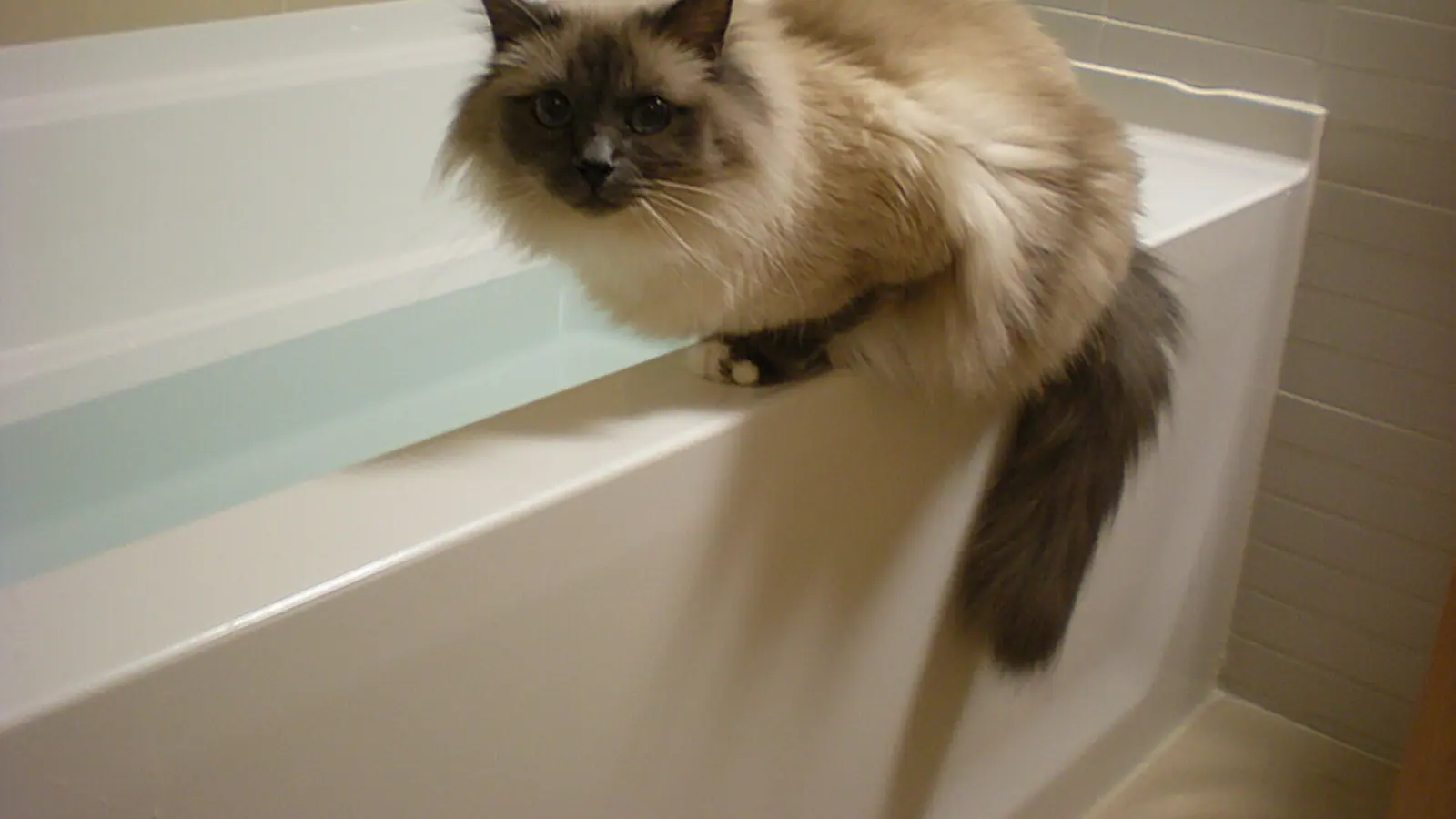

Does a hypoallergenic cat shampoo help? It can be the right choice for a cat with sensitive skin, but it won’t make the cat hypoallergenic for you. A hypoallergenic cat shampoo is a mild, usually fragrance-free product meant to avoid irritating the cat. Washing does remove some of the cat allergen Fel d 1 from the coat, yet studies show plain water works about as well and the effect fades within days. The biggest safety issue isn’t allergy at all: some ingredients are toxic to cats.
Does bathing a cat reduce cat allergen?
Only briefly. Avner and colleagues found tap water removed about as much Fel d 1 from cat hair as pet shampoo did. Weekly three-minute baths cut airborne allergen by 79% on average, but levels weren’t consistently lower by the next week’s bath.
A blinded study by Klucka and colleagues followed 24 cats for 8 weeks and found that neither weekly washing nor an allergen-reducing spray significantly reduced the Fel d 1 they shed. The authors couldn’t recommend either for allergic owners. If you’re the one with the allergy, our guides to cat allergy symptoms and how to reduce pet allergies cover what works better.
Ingredients to avoid on cats
Cats process some chemicals poorly, so “natural” isn’t automatically safe:
- Tea tree oil. Khan and colleagues reviewed poison center records of 106 cats and 337 dogs poisoned by 100% tea tree oil, mostly put on the skin by owners. Signs included drooling, weakness, wobbliness and tremors; young, small cats were most at risk. That involved the concentrated oil, but it’s a reason to skip tea tree shampoos for cats.
- Permethrin and dog flea products. In 42 poisoned cats reported by Boland and Angles, most had been given dog spot-on products; 86% had tremors and 33% had seizures. Never use a dog shampoo or flea treatment on a cat.
- Fragrance and essential oils in general. A hypoallergenic dog shampoo isn’t a substitute: buy one labeled for cats.
When an itchy cat needs a vet, not a shampoo
Cat skin allergy is now called feline atopic skin syndrome. A consensus by Halliwell and colleagues notes that cat skin reacts in several patterns, none specific to allergy. Guidelines by Santoro and colleagues say the diagnosis is made only after fleas, other parasites, infections and food allergy are ruled out. The AAHA guidelines by Miller and colleagues recommend a full history, exam and treatment of infection, parasites and itch together.
Shampoo can be part of that plan. A review by Rosenkrantz says topical therapy helps by removing allergen and moisturizing the skin, and that the active ingredient should match the condition. There are no trials of hypoallergenic cat shampoos specifically.
How to choose and use one
- Labeled for cats, fragrance-free and without essential oils.
- Short, lukewarm baths, rinsed well; many cats tolerate a damp wipe better than a full bath.
- Ask your vet before medicated shampoos, and about hypoallergenic cat food if food allergy is suspected.
More in Pets

Hypoallergenic Dog Breeds: What the Research Really Says
Are hypoallergenic dog breeds real? Studies measuring dog allergen in coats and homes tell another story. Poodles, doodles and what allergic owners can do.
How to Reduce Pet Allergies at Home: A Practical Plan
How to reduce pet allergies at home while keeping your dog or cat: bedroom rules, HEPA filtration, bathing, cleaning routines and medical options.

Hypoallergenic Cat Breeds: Siberian, Sphynx and Fel d 1
Are there hypoallergenic cat breeds? What science says about Siberian, Balinese and Sphynx cats, why males make more Fel d 1, and options for owners.
Hypoallergenic Dog Food and Cat Food: Diets Explained
Hypoallergenic dog food and cat food: hydrolyzed, novel protein and limited ingredient diets, the elimination trial, and why allergy tests mislead.
Sources & further reading
- Journal of Allergy and Clinical Immunology — Avner and colleagues, 1997: tap water removed about as much Fel d 1 from cat hair as pet shampoo did (191 vs 245 µg per gram of hair in 3 minutes), and a whole cat carried a mean of 67 mg of allergen. DOI: 10.1016/s0091-6749(97)70242-2.
- Journal of Allergy and Clinical Immunology — Klucka and colleagues, 1995: in a blinded, controlled 8-week study of 24 cats, neither weekly water washing, weekly Allerpet-C spray nor daily acepromazine significantly reduced the Fel d I the cats shed compared with no treatment (p = 0.72 between groups). DOI: 10.1016/s0091-6749(95)70072-2.
- Veterinary Dermatology — Halliwell and colleagues, 2021: this consensus review proposes the term 'feline atopic skin syndrome' for cat skin allergy linked to environmental allergens, within a wider 'feline atopic syndrome'. DOI: 10.1111/vde.12899.
- Veterinary Dermatology — Santoro and colleagues, 2021: built from 107 publications plus expert opinion, these guidelines say feline atopic skin syndrome is diagnosed by compatible signs after ruling out other causes. DOI: 10.1111/vde.12935.
- Journal of the American Animal Hospital Association — Miller and colleagues, 2023: these guidelines cover flea allergy, food allergy and feline atopic skin syndrome in cats. DOI: 10.5326/JAAHA-MS-7396.
- Clinical Techniques in Small Animal Practice — Rosenkrantz, 2006: this veterinary review says topical therapy can reduce itch in allergic skin disease by removing allergen and moisturizing skin. DOI: 10.1053/j.ctsap.2006.05.003.
- Journal of the American Veterinary Medical Association — Khan and colleagues, 2014: poison center records described 106 cats and 337 dogs poisoned by 100% tea tree oil, which owners applied intentionally in 89% of cases, often on the skin. DOI: 10.2460/javma.244.1.95.
- Journal of Feline Medicine and Surgery — Boland and Angles, 2010: in 42 cats poisoned by permethrin, most from dog spot-on flea products put on the cat, 86% had tremors and 33% had seizures. DOI: 10.1016/j.jfms.2009.09.018.