Hypoallergenic Pillowcase: Wash Hot, Cover What's Under It
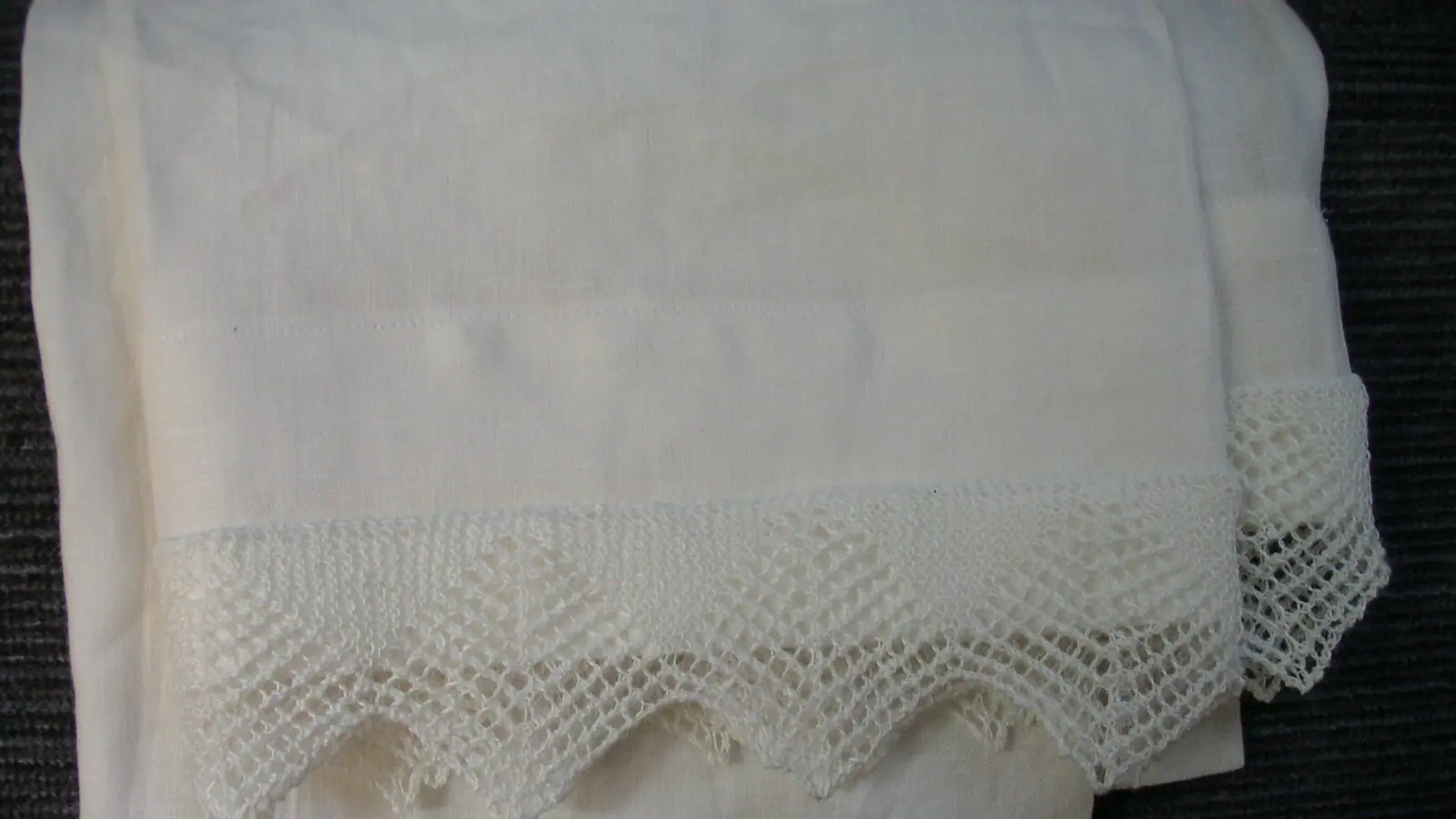
What makes a pillowcase hypoallergenic? A hypoallergenic pillowcase is usually a tightly woven cotton or polyester-cotton case sold as better for allergies. Because a pillowcase is open at one end, it can’t seal the allergen inside your pillow. What makes it allergy-friendly is a fabric that survives a hot weekly wash, used over a zippered mite-proof cover. The fabric itself matters less than how you wash it.
Pillowcase vs pillow protector
Shoppers often mix these up. A pillowcase is the outer layer you change and wash every week. A pillow cover or encasement zips all the way around the pillow and stays on. The NIEHS advises encasing pillows in allergen-impermeable covers and washing bedding weekly in hot water at 130 to 140 °F. For allergy, you want both. Our guide to the dust mite pillow cover explains what to look for in the encasement.
Why both? Pillows become an allergen source quickly. Nam and colleagues found no mite allergen on brand-new pillows, yet after three months on the bed they carried measurable amounts.
How often should you change your pillowcase? Wash temperature beats fabric
Change it every week (see the NIEHS advice above). The pillowcase is the part you can wash, so choose one that can take heat:
- Choi and colleagues found washes at 30 °C and 40 °C killed 6.5% and 9.6% of mites, while 60 °C (140 °F) and steam killed all of them. An extra rinse helped most after a cool wash.
- McDonald and Tovey found every mite died at 55 °C (131 °F) or hotter. A cold wash still removed more than 90% of the allergen but left most mites alive.
So the most hypoallergenic pillowcase is one whose care label allows a hot wash. Cotton percale and polyester-cotton usually do; silk usually doesn’t (see silk pillowcase).
Does the weave matter? A tight weave helps keep mites and dust from moving through fabric:
- Siebers and colleagues found all 20 live mites crawled through a standard polyester pillow covering within 24 hours, while none crossed tightly woven polyester-cotton or feather coverings in 48 hours.
- Vaughan and colleagues found fabrics with pores under 10 µm blocked mite allergen, and 6 µm or less also blocked cat allergen.
- Mahakittikun and colleagues found tightly woven covers stopped live mites, but nonwoven and film-coated samples didn’t.
These studies tested pillow coverings and encasement fabrics, not ordinary pillowcases. A tight-weave pillowcase is a sensible extra layer, not a substitute for the zippered cover.
Best pillowcase for allergies: will it ease symptoms?
Barrier covers lower allergen, but symptom relief is less certain. In a 3-month trial in 31 mite-allergic children with asthma, Frederick and colleagues found covers on the mattress, duvet and pillow cut allergen in the bedding, but asthma symptoms didn’t improve significantly in that time. Pillowcases and covers work best as part of a whole bedroom plan with your doctor’s treatment.
How to choose a hypoallergenic pillowcase
- Hot-washable (60 °C or 140 °F) cotton or polyester-cotton.
- Tight weave such as percale; a stated pore size is a bonus.
- No added fragrance; wash with a hypoallergenic laundry detergent if your skin is sensitive.
- Own several so you can change them every week; see how often should you wash your sheets.
- Zip the pillow in a mite-proof cover first.
More in Bedding
Dust Mite Mattress Cover: What to Look For in Encasements
A dust mite mattress cover is the core of bedroom mite control. What pore size, zippers and breathability mean, and what studies say covers can do.
Hypoallergenic Pillows: What the Fill Really Changes
Hypoallergenic pillows usually just have a synthetic fill. What fill changes for dust mite and feather allergies, and the washing habits that matter.

How to Get Rid of Dust Mites in Bed: A Washing Checklist
How to get rid of dust mites in bed: the water temperature that kills them, how often to wash, and the bedroom changes that cut mite allergen.
Hypoallergenic Mattress: What Actually Lowers Dust Mites
Hypoallergenic mattress guide: why mattresses hold the most dust mite allergen, research on surface fabric, age and humidity, and what really helps.
Sources & further reading
- National Institute of Environmental Health Sciences (NIH) — recommends encasing pillows in allergen-impermeable covers, keeping humidity at or below 50% and washing bedding weekly at 130 to 140 °F.
- Annals of Allergy, Asthma & Immunology — Choi and colleagues, 2008: washing at 30 °C and 40 °C killed 6.5% and 9.6% of mites, 60 °C and steam killed all, and an extra rinse helped most after a cool wash. DOI: 10.1016/s1081-1206(10)60060-9.
- Journal of Allergy and Clinical Immunology — McDonald and Tovey, 1992: water at 55 °C or hotter killed all mites; a cold wash cut allergen by more than 90% but left most mites alive. DOI: 10.1016/0091-6749(92)90132-l.
- Clinical and Experimental Allergy — Siebers and colleagues, 2004: all 20 live mites crossed a standard polyester pillow covering in 24 hours, none crossed tightly woven coverings in 48 hours. DOI: 10.1111/j.1365-2222.2004.01972.x.
- Journal of Allergy and Clinical Immunology — Vaughan and colleagues, 1999: fabrics with pores under 10 µm blocked mite allergen and those of 6 µm or less also blocked cat allergen. DOI: 10.1016/s0091-6749(99)70495-1.
- Journal of Allergy and Clinical Immunology — Mahakittikun and colleagues, 2006: tightly woven covers stopped live mites, while nonwoven and film-coated samples let them through. DOI: 10.1016/j.jaci.2006.07.025.
- Journal of Korean Medical Science — Nam and colleagues, 2004: new pillows had no mite allergen but reached about 1.1 µg/g after 3 months on the bed. DOI: 10.3346/jkms.2004.19.4.505.
- European Respiratory Journal — Frederick and colleagues, 1997: 3-month crossover trial in 31 mite-allergic children: barrier covers cut allergen in bedding but asthma symptoms did not improve significantly. DOI: 10.1183/09031936.97.10020361.