Silk Pillowcase: What the Eczema Trials Actually Found
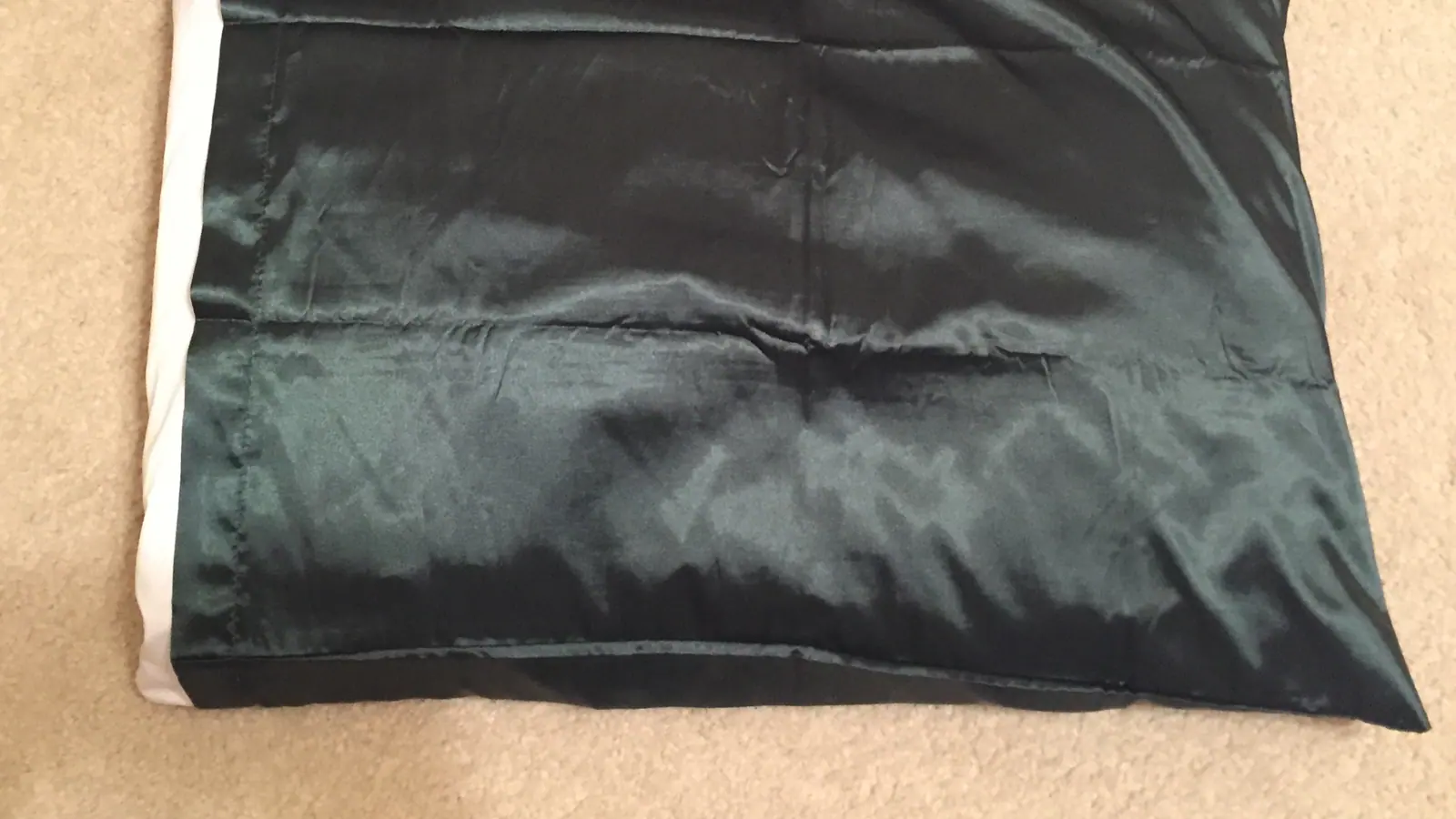
Is a silk pillowcase good for sensitive skin? A silk pillowcase feels smooth and cool, and it’s often sold as kinder to skin. But no study has tested silk pillowcases themselves. The evidence comes from eczema trials of silk clothing, and the largest, in 300 children, found silk added nothing to standard care. Smaller positive studies mostly used special medical silk with an antimicrobial finish.
Silk pillowcase for eczema: what the trials tested
People with eczema and sensitive skin are the ones most often told to try silk. Here’s what the research behind that advice looked at:
- The big trial. The CLOTHES trial by Thomas and colleagues randomized 300 UK children aged 1 to 15 with moderate to severe eczema to standard care with or without silk garments for 6 months. They wore the silk on a median 81% of nights. Eczema severity ended up the same in both groups, skin infections were similar, and the silk wasn’t judged cost-effective.
- What “silk” meant. The full trial report explains the garments were knitted, sericin-free medical silk with a built-in antimicrobial finish. Ordinary woven silk bedding, such as a pillowcase, wasn’t tested.
- Smaller studies. Ricci and colleagues saw eczema scores fall after a week of special silk clothing in 31 of 46 young children (the other 15 wore cotton), but the study was short and not randomized. Koller and colleagues found arms covered in antimicrobial-treated silk scored slightly better than cotton-covered arms after 3 months in 22 children.
Is it the silk or the finish? Two small studies tried to separate the fabric from its antimicrobial coating, with different results:
- In a double-blind study of 30 patients, Stinco and colleagues found plain silk helped only in the first two weeks, while treated silk kept improving skin and itch. Much of the benefit seemed to come from the finish.
- Ricci and colleagues found eczema improved under both coated and uncoated silk in 16 children, and the coating made no measurable difference to skin bacteria.
A systematic review by Jaros and colleagues summed it up: cotton and silk have mixed evidence for eczema, but both are generally safe to wear.
Silk pillowcase benefits: acne, hair and wrinkles
Silk pillowcases are widely marketed for fewer breakouts, less frizz and fewer sleep creases. We found no peer-reviewed study testing any of these claims, so we can’t say whether they hold up.
Silk and dust mite allergy
If your concern is allergy rather than skin feel, washing is what matters. Choi and colleagues found that washing at 60 °C (140 °F) killed all dust mites in sheets, while 30 °C and 40 °C killed fewer than 1 in 10. Silk care labels often call for cool water or hand washing, so a silk pillowcase usually can’t get that hot wash. If you have a dust mite allergy, put a dust mite pillow cover under it and wash the silk often, or choose a cotton hypoallergenic pillowcase that can go in hot water.
Is a silk pillowcase worth it?
A silk pillowcase is a comfort choice, not a treatment. If you like the feel and your skin tolerates it, it’s generally safe. If you’re buying it to treat eczema, the best evidence says it’s unlikely to change much, and your eczema plan matters more. For bedding fabrics, see our guides to hypoallergenic sheets and how often should you wash your sheets.
More in Bedding
Dust Mite Mattress Cover: What to Look For in Encasements
A dust mite mattress cover is the core of bedroom mite control. What pore size, zippers and breathability mean, and what studies say covers can do.

Hypoallergenic Pillows: What the Fill Really Changes
Hypoallergenic pillows usually just have a synthetic fill. What fill changes for dust mite and feather allergies, and the washing habits that matter.

How to Get Rid of Dust Mites in Bed: A Washing Checklist
How to get rid of dust mites in bed: the water temperature that kills them, how often to wash, and the bedroom changes that cut mite allergen.

Hypoallergenic Mattress: What Actually Lowers Dust Mites
Hypoallergenic mattress guide: why mattresses hold the most dust mite allergen, research on surface fabric, age and humidity, and what really helps.
Sources & further reading
- PLOS Medicine — Thomas and colleagues, 2017: CLOTHES trial: 300 children with moderate to severe eczema; silk garments for 6 months left eczema severity the same as standard care alone. DOI: 10.1371/journal.pmed.1002280.
- Health Technology Assessment — Thomas and colleagues, 2017: full trial report showing the garments were knitted, sericin-free medical silk with an antimicrobial finish, and that silk bedding was not tested. DOI: 10.3310/hta21160.
- British Journal of Dermatology — Ricci and colleagues, 2004: short, non-randomized study of 46 young children in which special silk clothing was followed by lower eczema scores after one week. DOI: 10.1111/j.1365-2133.2004.05705.x.
- Dermatology — Stinco and colleagues, 2008: double-blind study of 30 patients in which plain silk helped only for 2 weeks while antimicrobial-treated silk kept improving skin and itch. DOI: 10.1159/000141648.
- Pediatric Allergy and Immunology — Koller and colleagues, 2007: 3-month study in 22 children: arms covered with antimicrobial-treated silk had slightly lower local eczema scores than cotton-covered arms. DOI: 10.1111/j.1399-3038.2006.00511.x.
- Dermatology — Ricci and colleagues, 2006: 16 children wore paired silk arm covers; eczema and skin bacteria fell similarly with and without the antimicrobial coating. DOI: 10.1159/000095040.
- American Journal of Clinical Dermatology — Jaros and colleagues, 2020: systematic review of fabric trials from 1994 to 2020: cotton and silk have mixed evidence for eczema but are generally safe. DOI: 10.1007/s40257-020-00516-0.
- Annals of Allergy, Asthma & Immunology — Choi and colleagues, 2008: washing sheets at 60 °C killed all dust mites, while 30 °C and 40 °C killed fewer than 1 in 10. DOI: 10.1016/s1081-1206(10)60060-9.