Bleach Allergy: Chlorine Allergy, Rash and Pool Reactions

Can you be allergic to bleach? It’s possible but uncommon. Most reactions blamed on a bleach allergy are irritation: household bleach is sodium hypochlorite, which MedlinePlus describes as caustic, able to irritate or burn skin, eyes and airways. True allergic reactions to it appear in the medical literature as case reports.
Chlorine allergy vs irritation
MedlinePlus explains that irritant contact dermatitis, where a substance simply damages the skin, is the most common kind, while allergic contact dermatitis is an immune reaction to a specific substance and usually appears 24 to 48 hours after contact.
Chlorine is a chemical irritant. MedlinePlus notes it reacts with water to form hydrochloric and hypochlorous acids, and lists irritation of the skin, eyes, nose and throat among the effects of exposure. Allergy is the rarer route: Gruye and colleagues reported allergic contact dermatitis to sodium hypochlorite in a wastewater treatment worker, the kind of single-case report that this allergy usually shows up in.
Allergic to chlorine symptoms
Symptoms depend on how you’re exposed:
- Skin: irritation or, with strong solutions, burns and blisters, as MedlinePlus lists for sodium hypochlorite.
- Eyes: burning, tearing and redness.
- Airways: coughing, chest tightness and, in people with asthma, wheezing.
Cleaning products can affect breathing over time. In 3,503 adults followed by Zock and colleagues, using household cleaning sprays at least weekly was linked to new asthma symptoms or medication. Medina-Ramón and colleagues found asthma more common in women working as domestic cleaners and suggested home cleaning may also play a part. The picture isn’t one-sided: in a study of 234 schoolchildren, Nickmilder and colleagues found weekly bleach cleaning at home linked with less asthma, unless a parent smoked.
Bleach rash and allergic reaction to bleach on skin
A bleach rash is usually irritant contact dermatitis, which MedlinePlus describes as dry, red and rough skin where the substance touched. If a rash keeps coming back, ask a dermatologist about patch testing; our contact dermatitis guide explains how it works. Wear gloves and dilute bleach as the label directs, or switch to a fragrance-free oxygen bleach for laundry.
Allergic reaction to chlorine in pool water
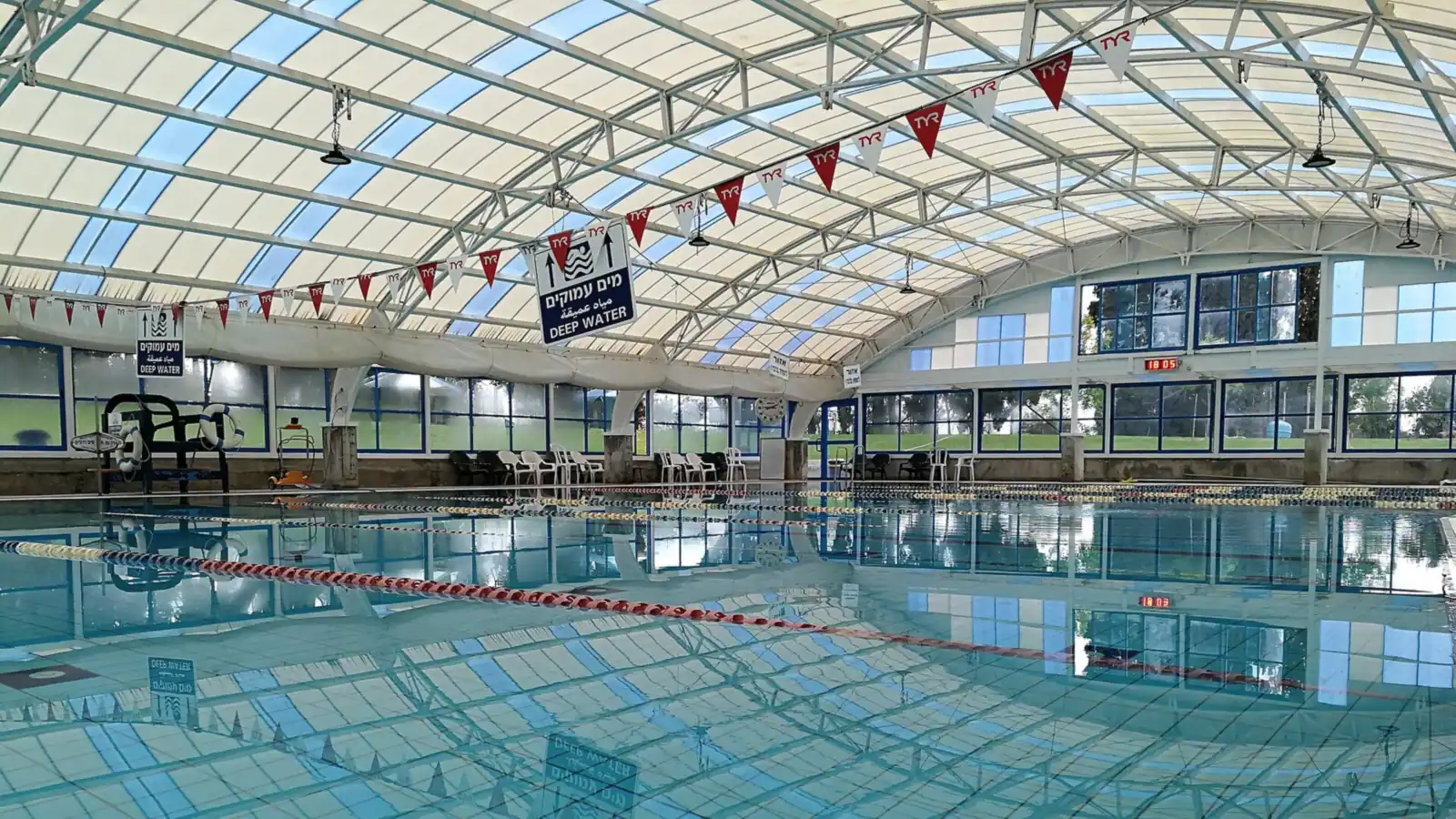
Pool reactions are mostly about chlorine by-products in the air and water. In a study of schoolchildren, Bernard and colleagues linked regular attendance at indoor chlorinated pools to changes in the lung lining and higher asthma risk, and pointed to chlorination by-products such as nitrogen trichloride in the pool air. If you wheeze or cough after swimming, talk to a doctor.
Bleach allergy treatment
For skin or eye contact, MedlinePlus says to flush with plenty of water for at least 15 minutes. For a rash, MedlinePlus’s contact dermatitis page recommends washing the area, avoiding the trigger, using moisturizers and, if a doctor prescribes them, steroid creams. If someone swallows bleach, breathes in fumes or has eye exposure, call Poison Help at 1-800-222-1222 or 911 for severe symptoms.
Prevent it: never mix bleach with ammonia or vinegar. In a CDC survey, Gharpure and colleagues found many adults didn’t know these combinations are dangerous. Ventilate while you clean, and see hypoallergenic cleaning products and white vinegar for cleaning for gentler options.
More in Home
Air Purifier for Allergies: HEPA, CADR and What to Avoid
How to choose an air purifier for allergies to dander, pollen and dust: what true HEPA means, sizing with CADR, avoiding ozone and what it can't do.
Best Vacuum for Allergies: Sealed HEPA Systems Explained
What makes the best vacuum for allergies: sealed HEPA systems, bagged vs bagless for dust mite and pet allergies, and how to vacuum without dust.
How to Reduce Allergens in Home: Free Room-by-Room Guide
How to reduce allergens in home, room by room: the bedroom, dust, dust mites, mold, pets and cleaning products, with a free printable checklist PDF.
Hypoallergenic Cleaning Products: What the Labels Mean
How to choose hypoallergenic cleaning products when fragrance or harsh chemicals bother your skin: EPA Safer Choice, gloves and mixes to avoid.
Sources & further reading
- MedlinePlus (U.S. National Library of Medicine) — Sodium hypochlorite poisoning: found in bleach, disinfectants and pool chlorine; caustic; skin irritation, burns or blistering; never mix with ammonia; flush skin or eyes with water for at least 15 minutes; small amounts of household bleach likely won't cause significant problems; Poison Help 1-800-222-1222.
- MedlinePlus (U.S. National Library of Medicine) — Chlorine poisoning: chlorine reacts with water to form hydrochloric and hypochlorous acid; found in some bleach products and swimming pool water; gas forms when bleach is mixed with ammonia; move to fresh air if inhaled.
- MedlinePlus (U.S. National Library of Medicine) — Contact dermatitis: irritant dermatitis is the most common type; allergic rashes usually appear 24 to 48 hours after exposure; patch testing; treatment includes washing with water, avoiding the substance, emollients and, if prescribed, topical corticosteroids.
- Contact Dermatitis — Gruye and colleagues, 2020: case report of allergic contact dermatitis in a wastewater treatment worker linked to sodium hypochlorite. DOI: 10.1111/cod.13707.
- American Journal of Respiratory and Critical Care Medicine — Zock and colleagues, 2007: in 3,503 adults in 10 countries, using household cleaning sprays at least weekly was linked to new asthma symptoms or medication use (relative risk 1.49). DOI: 10.1164/rccm.200612-1793OC.
- Thorax — Medina-Ramón and colleagues, 2003: in 4,521 women, current and former domestic cleaning work was associated with asthma; the authors suggest cleaning tasks at home may also matter. DOI: 10.1136/thorax.58.11.950.
- Occupational and Environmental Medicine — Bernard and colleagues, 2003: regular attendance at indoor chlorinated pools by young children was associated with increased lung epithelium permeability and asthma risk, linked to nitrogen trichloride in pool air. DOI: 10.1136/oem.60.6.385.
- Pediatric Allergy and Immunology — Nickmilder and colleagues, 2007: in 234 schoolchildren, weekly bleach cleaning at home was associated with less asthma and less sensitization to indoor allergens, but interacted with parental smoking to raise the risk of recurrent bronchitis. DOI: 10.1111/j.1399-3038.2006.00487.x.
- MMWR Morbidity and Mortality Weekly Report — Gharpure and colleagues, 2020: among 502 US adults, only 58% knew bleach shouldn't be mixed with ammonia and 35% with vinegar; a quarter reported irritation they blamed on cleaners. DOI: 10.15585/mmwr.mm6923e2.