Witch Hazel: Benefits for Skin, Face and Eczema
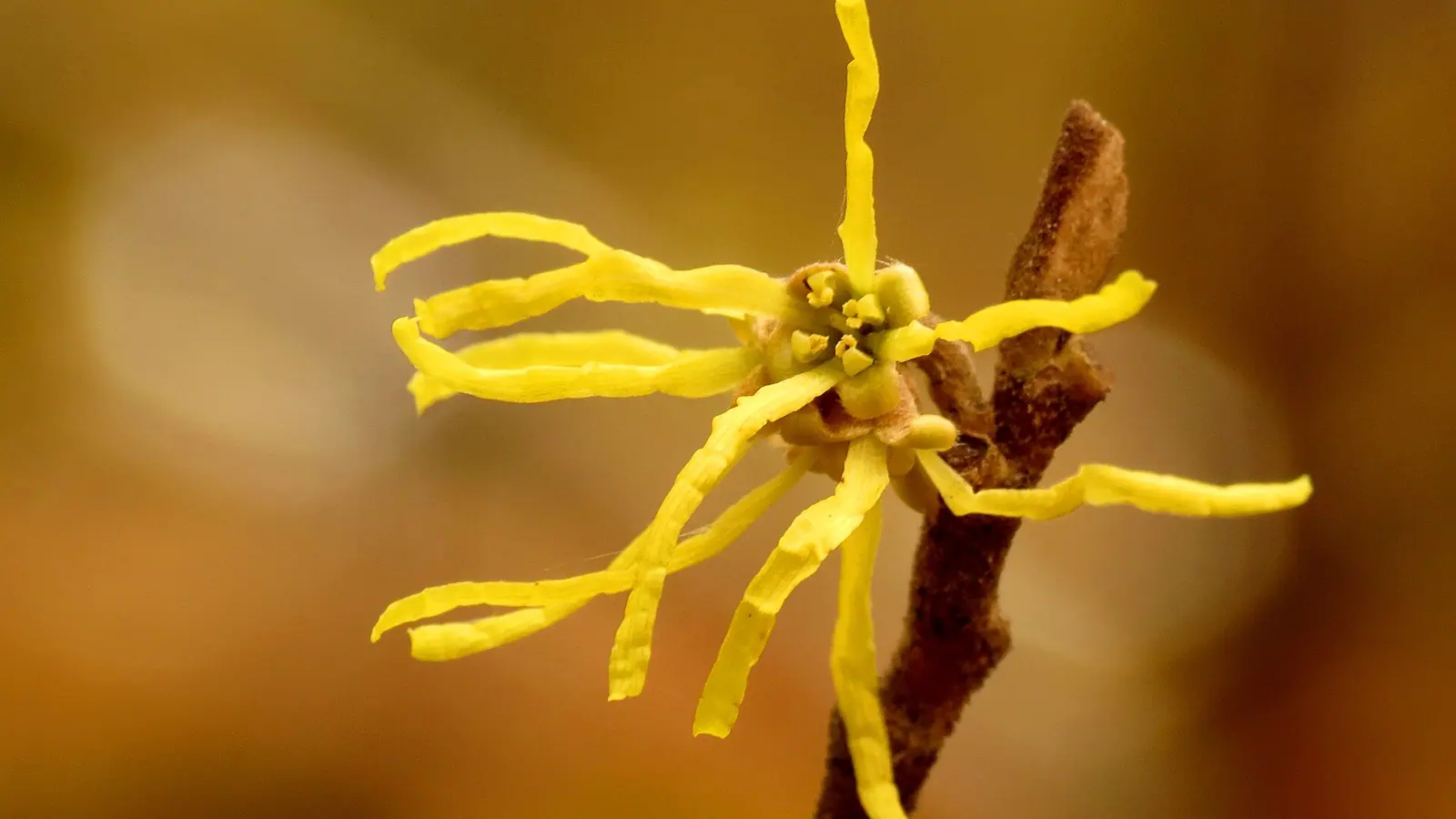

What is witch hazel? Witch hazel is an extract or distillate of the North American shrub Hamamelis virginiana, also listed on labels as hamamelis. Its bark and leaves are rich in tannins and other plant compounds with anti-inflammatory activity in lab studies (Molecules). It’s sold as a toner, in pads and wipes, and in creams for hemorrhoids, and the FDA recognizes it as an over-the-counter astringent (21 CFR 347.12).
Witch hazel benefits
The plant compounds in witch hazel show anti-inflammatory and antimicrobial effects in lab and animal studies, but clinical trials in people are limited (Molecules). Here’s what the human studies found:
| Study | Result |
|---|---|
| Sunburn-type redness, 30 volunteers (Dermatology) | Lotion with 10% witch hazel cut redness by about 20% to 27%, versus 11% to 15% for the base lotion and another aftersun lotion |
| Atopic eczema, 72 patients (European Journal of Clinical Pharmacology) | Witch hazel cream no better than its plain base; 0.5% hydrocortisone worked better |
| Minor skin problems in 309 children (European Journal of Pediatrics) | Witch hazel ointment did about as well as dexpanthenol ointment; observational, not randomized |
The FDA also lists witch hazel at 10% to 50% as an astringent in over-the-counter hemorrhoid products (21 CFR 346.18), which is where it’s best established as a drug ingredient.
Witch hazel for face
On the face, witch hazel is usually used as a toner, and some toners also contain alcohol, as explained below.
Witch hazel toner
As a toner, witch hazel is used for its astringent effect, the tight feeling it leaves on skin. We found no good trials of witch hazel for acne or rosacea; the studies above don’t test it on facial skin conditions.
Is witch hazel good for your face?
Tolerability was good in the children’s study above (European Journal of Pediatrics), but that tested an ointment, not an alcohol-based toner. If your face is dry, easily irritated or has rosacea, check the label for alcohol first, and patch test before using it all over. Our guides to hypoallergenic face wash and skin barrier repair cover gentler routines.
Alcohol free witch hazel
Check the label: some witch hazel products contain alcohol, and alcohol on the skin is linked to irritation and contact dermatitis (Journal of Occupational Medicine and Toxicology). Alcohol-free versions leave it out. Read the ingredient list: “alcohol,” “alcohol denat.” or “SD alcohol” near the top means it’s there.
Witch hazel for eczema
The best trial doesn’t support it. In 72 people with moderately severe atopic eczema, a witch hazel cream did no better than the same cream without witch hazel, and low-strength hydrocortisone did better than the witch hazel cream (European Journal of Clinical Pharmacology). For eczema, a plain fragrance-free moisturizer and the treatment your doctor recommends are better bets; see our fragrance free moisturizer guide.
Witch hazel allergy
Witch hazel is a plant extract, and botanical extracts can cause allergic contact dermatitis. A survey of facial wipes listed Hamamelis virginiana in 10.7% of products and counted it among the top potential allergens of botanical origin (Dermatitis). Reactions look like an itchy, red rash where the product touched the skin. If you suspect it, stop the product and ask a dermatologist about patch testing; our fragrance allergy guide covers other plant-based triggers.
More in Ingredients & materials
Nickel Allergy: Causes, Sources, Rules and Testing
Nickel allergy: why nickel causes allergic contact dermatitis, where it's found, how US and EU rules differ, and how spot tests and patch tests work.
Fragrance Allergy: What 'Fragrance' and 'Parfum' Can Hide
Fragrance allergy: why one word on a label can stand for dozens of chemicals, which allergens dermatologists test for, and US vs EU label rules.
Methylisothiazolinone (MI): A Preservative Allergy Explained
Methylisothiazolinone (MI) and MCI/MI: where they're used, why allergy to them surged, how the EU restricted them, and how to spot them on labels.
Formaldehyde Allergy and Formaldehyde Releasers on Labels
Formaldehyde allergy: which preservatives release formaldehyde, the label names to look for, where else it turns up, and what US and EU rules say.
Sources & further reading
- U.S. Food and Drug Administration (21 CFR 347.12) — Over-the-counter skin protectant astringent active ingredients: aluminum acetate, aluminum sulfate and witch hazel.
- U.S. Food and Drug Administration (21 CFR 346.18) — Over-the-counter anorectal astringent active ingredients: calamine, witch hazel 10% to 50%, zinc oxide.
- Dermatology — Hughes-Formella and colleagues, 1998: 30 healthy volunteers, UVB erythema test: an aftersun lotion with 10% hamamelis distillate suppressed redness by about 20% to 27%, versus 11% to 15% for the vehicle and another aftersun lotion. DOI: 10.1159/000017904.
- European Journal of Clinical Pharmacology — Korting and colleagues, 1995: double-blind randomized trial, 72 patients with moderately severe atopic eczema: 0.5% hydrocortisone cream was superior to hamamelis distillate cream, and the hamamelis cream did not differ from its drug-free vehicle. DOI: 10.1007/BF00194335.
- European Journal of Pediatrics — Wolff and Kieser, 2007: observational study, 309 children with minor skin injuries, diaper dermatitis or local skin inflammation: hamamelis ointment and dexpanthenol ointment gave similar results; tolerability rated excellent or good in 99.1% by physicians. DOI: 10.1007/s00431-006-0363-1.
- Molecules — Wójciak and colleagues, 2025: review of Hamamelis virginiana in skin care: bark and leaves contain tannins, proanthocyanidins, flavonoids and phenolic acids with anti-inflammatory and antimicrobial activity in lab and animal studies, with limited clinical trials. DOI: 10.3390/molecules30132744.
- Dermatitis — Aschenbeck and colleagues, 2017: 178 facial wet wipes: Hamamelis virginiana appeared in 10.7%, among the top potential allergens of botanical origin. DOI: 10.1097/DER.0000000000000268.
- Journal of Occupational Medicine and Toxicology — Lachenmeier, 2008: safety evaluation of ethanol on the skin: use is associated with skin irritation or contact dermatitis. DOI: 10.1186/1745-6673-3-26.