Hypoallergenic Blanket: Washable Beats Any Fiber Claim
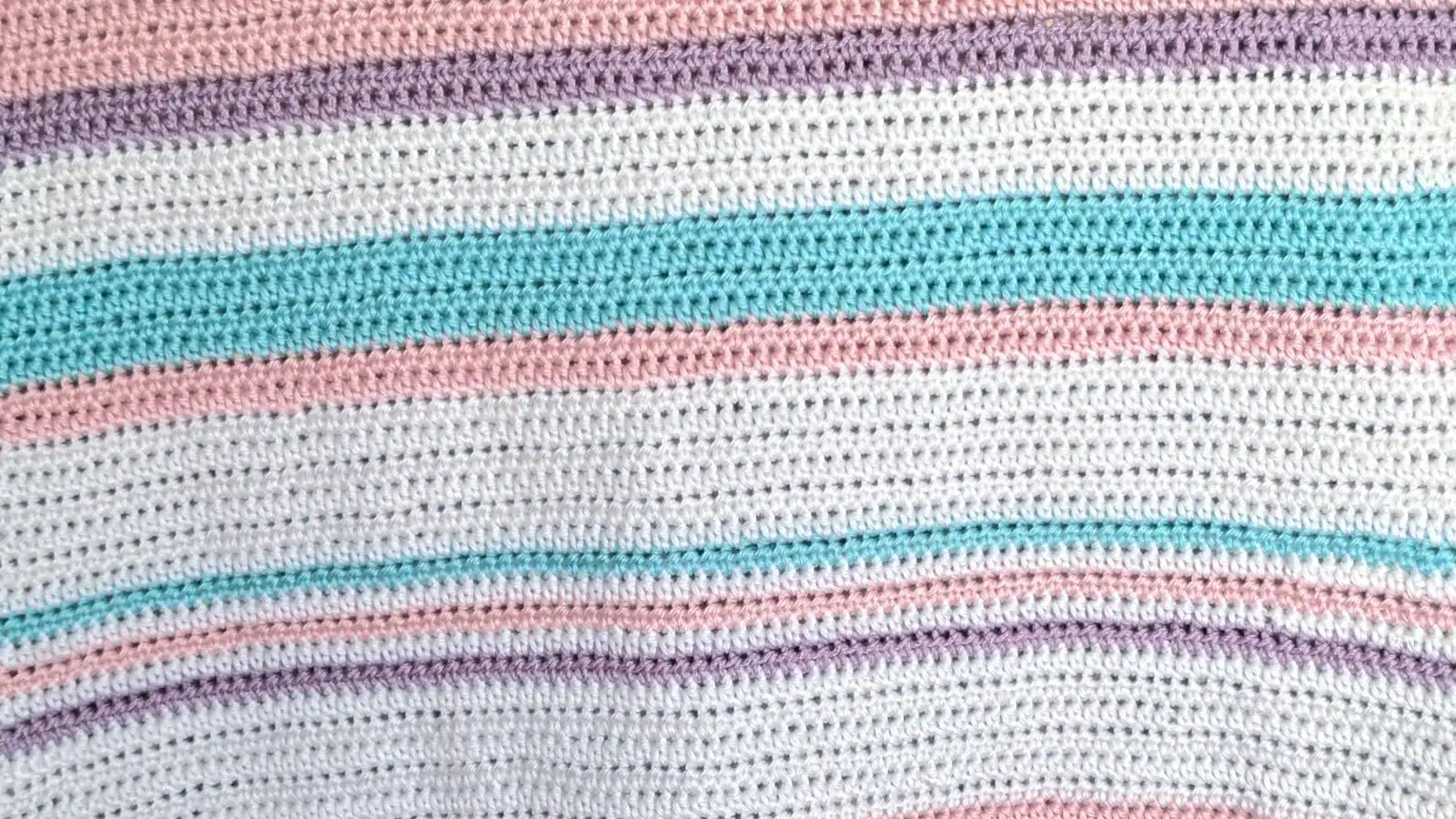

What makes a blanket hypoallergenic? A hypoallergenic blanket is one you can wash often in hot water without ruining it. Blankets are one of the biggest dust mite allergen reservoirs on the bed, and no fiber keeps mites out on its own. The NIEHS advises washing blankets weekly at 130 to 140 °F, so the care label matters more than any “hypoallergenic” claim on the packaging.
How often to wash blankets: why they hold so much allergen
Vandenhove and colleagues called the blanket one of the largest mite allergen reservoirs. Dust mites feed on skin flakes, and a blanket gets plenty of them. The NIEHS recommends washing all bedding and blankets once a week in hot water at 130 to 140 °F, and the NHS suggests 60 °C (140 °F) or above.
How to wash a blanket: hot, warm or dry cleaned
| Method | Mites killed or removed | Allergen removed | Source |
|---|---|---|---|
| Hot wash, 55–60 °C (131–140 °F) | All | Most | McDonald and Tovey; Choi |
| Warm or cold machine wash | 60% to 83% removed | About 84% (98% with bleach) | Arlian and colleagues |
| Dry cleaning | All (McDonald and Tovey) | Mixed: 78% per gram of dust in one study, no drop in concentration in another | Vandenhove and colleagues; McDonald and Tovey |
| Freezing overnight | About 95% (soft toys) | Not removed | Chang and colleagues |
| Hot tumble dry, 1 hour | About 89% (soft toys) | Not removed | Chang and colleagues |
A few practical points from these studies:
- Detergent helps at any temperature. Tovey and colleagues found detergent removed more mite and cat allergen than soap or plain water, nearly all within 5 minutes.
- Pet allergen washes out easily. Choi and colleagues found dog allergen was almost entirely removed at every temperature, which matters if a pet shares your bed (see pet dander).
- Wash blankets on their own. Arlian’s team saw live mites move from infested items onto clean ones in the same load.
- Freezing and drying kill mites but don’t remove allergen, so follow with a wash when you can.
Do dust mite covers work on blankets?
In a year-long trial of 279 people with mite-allergic rhinitis, Terreehorst and colleagues found impermeable covers on the mattress, pillow and duvet or blanket lowered mite allergen, but nasal symptoms didn’t improve. Covers lower exposure; washing and medical treatment still matter.
Hypoallergenic weighted blanket and throws
A hypoallergenic weighted blanket follows the same rule, but its weight can make home washing hard. Check the care label, and choose one with a removable cover you can wash weekly. Throw blankets on the bed or sofa collect skin flakes and pet allergen too, so include them in the weekly wash.
How to choose a hypoallergenic blanket
- Care label allows 60 °C (140 °F) or at least a warm machine wash.
- Fits your washer, so you’ll actually wash it weekly.
- Removable cover for weighted or bulky blankets.
- No added fragrance; use a hypoallergenic laundry detergent.
For the rest of the bed, see how often should you wash your sheets, hypoallergenic comforter and our hypoallergenic bedding guide.
Sources & further reading
- National Institute of Environmental Health Sciences (NIH) — recommends washing all bedding and blankets weekly in hot water at 130 to 140 °F and freezing non-washable bedding overnight.
- NHS — advises synthetic bedding and covers, washed regularly at 60 °C or above, for allergic rhinitis.
- Allergy — Vandenhove and colleagues, 1993: called the blanket one of the largest allergen reservoirs and found dry cleaning cut mite allergen by 78% per gram of dust and 98% per square meter. DOI: 10.1111/j.1398-9995.1993.tb00726.x.
- Journal of Allergy and Clinical Immunology — McDonald and Tovey, 1992: all mites died at 55 °C or hotter; cold washing removed more than 90% of allergen; dry cleaning killed mites but did not lower allergen concentration. DOI: 10.1016/0091-6749(92)90132-l.
- Annals of Allergy, Asthma & Immunology — Choi and colleagues, 2008: 60 °C and steam washes killed all mites, while 30 °C and 40 °C killed under 10%; dog allergen was almost entirely removed at every temperature. DOI: 10.1016/s1081-1206(10)60060-9.
- Journal of Allergy and Clinical Immunology — Arlian and colleagues, 2003: warm or cold machine washes removed 84% of mite allergen (98% with bleach), and live mites moved to clean items in the same load. DOI: 10.1067/mai.2003.1547.
- Journal of Allergy and Clinical Immunology — Tovey and colleagues, 2001: detergent removed more mite and cat allergen than soap or water, nearly all within 5 minutes at 25 °C. DOI: 10.1067/mai.2001.117799.
- Pediatric Allergy and Immunology — Chang and colleagues, 2011: on mite-infested soft toys, overnight freezing cut live mites by 95% and an hour of hot tumble drying by 89%. DOI: 10.1111/j.1399-3038.2011.01144.x.
- New England Journal of Medicine — Terreehorst and colleagues, 2003: impermeable covers for the mattress, pillow and duvet or blanket lowered mite allergen but did not improve rhinitis symptoms over a year. DOI: 10.1056/nejmoa023171.
More in Bedding
Hypoallergenic Sheets: Fabric, Weave and Wash Temperature
Hypoallergenic sheets explained: what the label means, why wash temperature matters more than fabric, and when tight-weave covers help dust mite allergy.
How to Wash Pillows to Remove Dust Mites and Allergens
How to wash pillows so dust mites and allergens go: water hot enough to kill mites, detergent, a full dry, and why feather pillows may hold less allergen.
Hypoallergenic Memory Foam Pillow: Cover, Mites and VOCs
Is a hypoallergenic memory foam pillow good for allergies? Foam can't be washed, so the cover matters. Studies on mites, VOCs and flame retardants.
Dust Mite Mattress Cover: What to Look For in Encasements
A dust mite mattress cover is the core of bedroom mite control. What pore size, zippers and breathability mean, and what studies say covers can do.
Hypoallergenic Pillows: What the Fill Really Changes
Hypoallergenic pillows usually just have a synthetic fill. What fill changes for dust mite and feather allergies, and the washing habits that matter.

How to Get Rid of Dust Mites in Bed: A Washing Checklist
How to get rid of dust mites in bed: the water temperature that kills them, how often to wash, and the bedroom changes that cut mite allergen.