Organic Cotton Sheets: What the Label Means for Skin
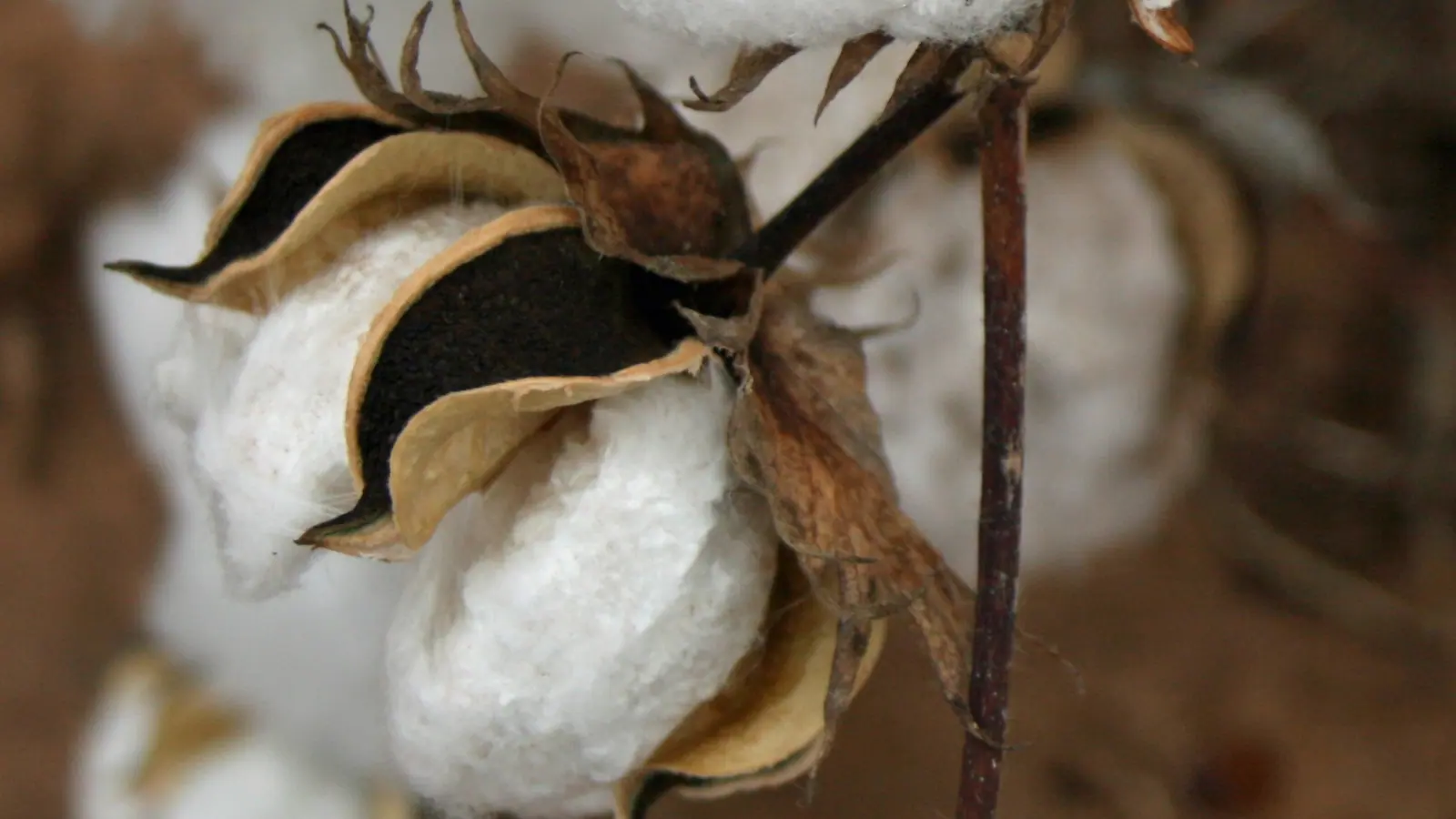
Are organic cotton sheets better for sensitive skin? Organic cotton sheets are made from cotton grown and processed to certified organic standards. That label is about farming and processing, and no study shows organic cotton sheets cause fewer rashes than regular cotton. The textile chemicals that do cause skin allergy are mainly disperse dyes and the formaldehyde resins used for wrinkle-free finishes. Whatever the label, check for those finishes.
What does organic cotton mean? What the label covers
According to the USDA, a textile can carry the USDA organic seal only if the finished product is certified. If only the fiber is certified, the label can name the organic fiber and its percentage but can’t imply the whole product is organic. Textiles certified to the Global Organic Textile Standard (GOTS) may also be sold as organic in the US. So “made with organic cotton” and “certified organic” aren’t the same claim.
OEKO-TEX and GOTS certified sheets
These two labels answer different questions. GOTS certified sheets are certified organic textiles, which the USDA accepts as organic. OEKO-TEX Standard 100 is a private label for textiles tested for harmful substances, and it says nothing about whether the cotton was grown organically. Neither label is a skin-allergy test, so neither promises that sheets won’t trigger a rash; the dyes and finishing resins behind most textile rashes are covered below.
Textile allergy: what actually causes rashes
Two groups of chemicals show up in patch-test clinics:
- Disperse dyes. A review of 54 studies by Malinauskiene and colleagues found disperse dyes are the most important cause of textile allergy. In Sweden, Ryberg and colleagues found 1.5% of 3,325 patients reacted to a textile dye mix, with rashes where fabric rubs the skin. A later analysis by Malinauskiene and colleagues found the classic allergenic ones in only 3 of 121 textiles bought in 13 countries.
- Formaldehyde resins. These make fabric wrinkle-resistant (“permanent press”, “easy care”, “non-iron”). Fowler and colleagues identified 17 US patients allergic to these resins, with stubborn rashes worse where clothing fit tightly. The EPA and the ATSDR both list permanent press fabrics among household sources of formaldehyde.
Textile allergy is uncommon and easy to misjudge. Hatch and colleagues found that of 32 garments patients blamed for their rash, only 9 patients actually reacted to a dye in that garment. If you suspect your sheets, a dermatologist can patch test you, ideally with the fabric itself.
Organic cotton sheets or not: what to look for
For sensitive skin or formaldehyde allergy:
- Skip “wrinkle-free” or “non-iron” finishes if you react to formaldehyde, organic or not.
- Ask your dermatologist which dyes to avoid if you’ve had a dye allergy diagnosed, and check the fiber content, not just the color.
- Check the certification (USDA organic seal or GOTS) if you want organic for its own sake.
- Wash new sheets before use. The ATSDR advises washing new permanent press clothing before wearing it; see should you wash new clothes before wearing.
- Choose sheets that survive a hot wash if you have dust mite allergy; see hypoallergenic sheets and how often should you wash your sheets.
Comparing fabrics? See our guides to bamboo sheets and the silk pillowcase.
More in Bedding
Dust Mite Mattress Cover: What to Look For in Encasements
A dust mite mattress cover is the core of bedroom mite control. What pore size, zippers and breathability mean, and what studies say covers can do.

Hypoallergenic Pillows: What the Fill Really Changes
Hypoallergenic pillows usually just have a synthetic fill. What fill changes for dust mite and feather allergies, and the washing habits that matter.

How to Get Rid of Dust Mites in Bed: A Washing Checklist
How to get rid of dust mites in bed: the water temperature that kills them, how often to wash, and the bedroom changes that cut mite allergen.

Hypoallergenic Mattress: What Actually Lowers Dust Mites
Hypoallergenic mattress guide: why mattresses hold the most dust mite allergen, research on surface fabric, age and humidity, and what really helps.
Sources & further reading
- USDA Agricultural Marketing Service — rules for organic textile labels: the USDA seal requires the finished product to be certified, and GOTS-certified textiles may be sold as organic.
- Contact Dermatitis — Malinauskiene and colleagues, 2013: review of 54 studies finding disperse dyes the most important cause of textile allergy, with patch-test rates above 1% for some dyes. DOI: 10.1111/cod.12001.
- Contact Dermatitis — Ryberg and colleagues, 2006: 1.5% of 3,325 patients patch tested in Sweden reacted to a textile dye mix, with rashes where fabric rubs the skin. DOI: 10.1111/j.0105-1873.2006.00733.x.
- Contact Dermatitis — Malinauskiene and colleagues, 2012: analysis of 121 textiles from 13 countries found the classic allergenic disperse dyes in only 3 items. DOI: 10.1111/j.1600-0536.2012.02129.x.
- Journal of the American Academy of Dermatology — Fowler and colleagues, 1992: 17 US patients allergic to the formaldehyde resins in permanent press clothing, a cause of stubborn rashes the authors call underdiagnosed. DOI: 10.1016/0190-9622(92)70295-q.
- Agency for Toxic Substances and Disease Registry — 2015: lists permanent press fabrics among indoor sources of formaldehyde and advises washing new permanent press clothing before wearing it.
- U.S. Environmental Protection Agency — lists permanent press fabrics among household products that contain formaldehyde.
- Dermatitis — Hatch and colleagues, 2003: of 32 garments patients blamed for rashes, 22 contained disperse dyes but only 9 patients reacted to a dye in their own garment. DOI: 10.2310/6620.2003.11734.