Tree Pollen Allergy: Symptoms, Birch, Cedar and Treatment
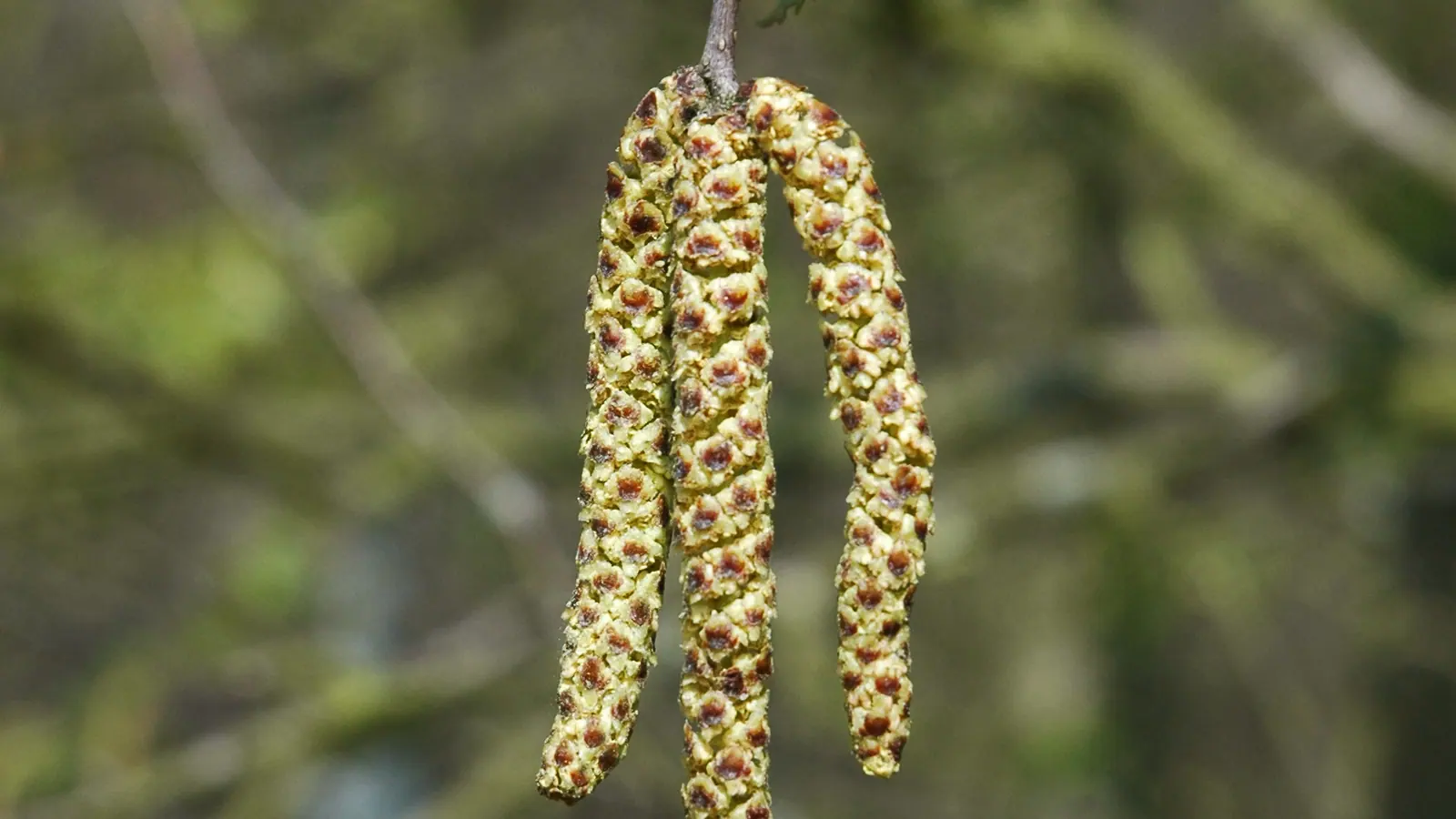

What is a tree pollen allergy? It’s hay fever triggered by the pollen trees release into the wind, usually the first allergy wave of the year. The NIEHS describes the U.S. pattern: trees in spring, grasses in summer, weeds in fall. In parts of the south central U.S., mountain cedar starts the season in midwinter.
Tree pollen allergy symptoms
MedlinePlus lists the symptoms of allergic rhinitis:
- sneezing and a runny nose;
- itchy nose, mouth, eyes or throat;
- watery eyes;
- later, a stuffy nose, cough, clogged ears, dark circles under the eyes and fatigue.
MedlinePlus also notes that hot, dry, windy days carry the most pollen, while rain washes much of it to the ground.
Tree seasons are moving. Pollen counts from 60 North American stations analyzed by Anderegg and colleagues show seasons starting about 20 days earlier and lasting about 8 days longer than in 1990, and modeling by Zhang and Steiner projects spring pollen starting 10 to 40 days earlier by the end of the century.
Birch pollen allergy and food
Some people with birch or other tree pollen allergy have a second problem: an itchy, tingling or swollen mouth after eating certain raw plant foods. This is pollen-food allergy syndrome, also called oral allergy syndrome. A review by Marzec and colleagues describes rapid itching, burning and swelling of the mouth and throat, usually limited to that area; more serious reactions are rare. For people allergic to birch pollen, Marzec’s team lists apple as the most frequently reported trigger.
It happens because some food proteins look like pollen proteins to the immune system. Poncet and colleagues list the protein families involved and note that 30 to 60% of food allergies are associated with pollen allergy. Our oral allergy syndrome guide covers the foods most often involved with birch allergy and how an allergist works out which ones matter for you.
Cedar fever: mountain cedar allergy
Mountain cedar (Juniperus ashei) is the winter exception. Jochner-Oette and colleagues describe it as an important allergen in the south central United States, releasing pollen mainly from mid or late December to February, the season often called cedar fever. Their indoor measurements also showed that rooms with frequently opened windows and doors collected the most pollen, while a windowless storeroom collected the least.
Pine tree pollen
Pines can release large amounts of pollen in spring, but pine pollen has long been considered a weak allergen because its grains are large and low in protein. That isn’t the whole story. In a Spanish clinic, Marcos and colleagues described 10 patients whose seasonal hay fever matched the pine pollen season, most of them allergic to pine pollen only, and Gastaminza and colleagues studied 65 pine-allergic patients and concluded pine should be treated as a potential allergen where it’s abundant. About half of Gastaminza’s patients were also sensitized to grass pollen, so an allergist’s skin or blood test is the way to tell which pollen is behind your symptoms.
Best treatment for tree pollen allergy
Allergists’ 2020 practice parameter, by Dykewicz and colleagues, names a nasal steroid spray as the preferred single treatment for persistent allergic rhinitis, with an antihistamine nasal spray as an add-on. It also notes that neither acupuncture nor herbal products have adequate studies behind them.
To treat the allergy itself, MedlinePlus says allergy shots are used for pollen allergies. An allergist can confirm which trees you react to with skin or blood tests.
Keeping windows closed on high-pollen days fits the cedar study’s findings. For the rest of the year, see spring allergies, grass allergy and our pollen allergy overview.
More in Home
Air Purifier for Allergies: HEPA, CADR and What to Avoid
How to choose an air purifier for allergies to dander, pollen and dust: what true HEPA means, sizing with CADR, avoiding ozone and what it can't do.

Best Vacuum for Allergies: Sealed HEPA Systems Explained
What makes the best vacuum for allergies: sealed HEPA systems, bagged vs bagless for dust mite and pet allergies, and how to vacuum without dust.
How to Reduce Allergens in Home: Free Room-by-Room Guide
How to reduce allergens in home, room by room: the bedroom, dust, dust mites, mold, pets and cleaning products, with a free printable checklist PDF.

Hypoallergenic Cleaning Products: What the Labels Mean
How to choose hypoallergenic cleaning products when fragrance or harsh chemicals bother your skin: EPA Safer Choice, gloves and mixes to avoid.
Sources & further reading
- National Institute of Environmental Health Sciences (NIH) — Pollen: trees release pollen in the spring, grasses in the summer and weeds in the fall.
- MedlinePlus (U.S. National Library of Medicine) — Allergic rhinitis: trees, grasses and ragweed cause hay fever through wind-carried pollen; symptoms include sneezing, runny nose, itchy eyes, nose and throat; skin and blood tests; antihistamines and nasal sprays.
- International Journal of Environmental Research and Public Health — Jochner-Oette and colleagues, 2022: mountain cedar (Juniperus ashei) pollen is an important aeroallergen in the south central United States, released mainly from mid or late December to February; indoor pollen levels varied with ventilation, and rainy episodes raised indoor-to-outdoor ratios. DOI: 10.3390/ijerph19031541.
- Nutrients — Marzec and colleagues, 2026: pollen-food allergy syndrome: cross-reactivity between pollen allergens and similar proteins in plant foods causes rapid itching, burning, swelling and redness of the mouth and throat; systemic reactions are rare. DOI: 10.3390/nu18142246.
- Expert Review of Clinical Immunology — Poncet and colleagues, 2020: update on pollen-food allergy syndrome: 30 to 60% of food allergies are associated with pollen allergy; PR-10 proteins, profilins and lipid transfer proteins are among the allergen families involved. DOI: 10.1080/1744666x.2020.1774366.
- Proceedings of the National Academy of Sciences — Anderegg and colleagues, 2021: north American pollen seasons started about 20 days earlier and lengthened by about 8 days, with about 21% more pollen, between 1990 and 2018. DOI: 10.1073/pnas.2013284118.
- Nature Communications — Zhang and Steiner, 2022: modeled end-of-century warming shifts the start of spring pollen emissions 10 to 40 days earlier over the continental United States. DOI: 10.1038/s41467-022-28764-0.
- Journal of Allergy and Clinical Immunology — Dykewicz and colleagues, 2020: rhinitis 2020 practice parameter: intranasal corticosteroids remain the preferred monotherapy for persistent allergic rhinitis; neither acupuncture nor herbal products have adequate studies. DOI: 10.1016/j.jaci.2020.07.007.
- MedlinePlus (U.S. National Library of Medicine) — Allergies: allergy shots are used for environmental allergies such as pollens, pet dander and dust.
- Annals of Allergy, Asthma & Immunology — Marcos and colleagues, 2001: pine pollen allergy has been considered rare; 10 patients in northwest Spain had seasonal rhinoconjunctivitis matching the February to April pine pollen season, most sensitized to pine pollen only. DOI: 10.1016/S1081-1206(10)62320-4.
- Clinical and Experimental Allergy — Gastaminza and colleagues, 2009: pine pollen was long considered non-allergenic because of large grains and low protein; 65 pine-pollen-allergic patients, high cross-reactivity among pine species; pine should be considered a potential allergen where abundant. DOI: 10.1111/j.1365-2222.2009.03308.x.