Washing Soda vs Borax: Which Is Better for Sensitive Skin?
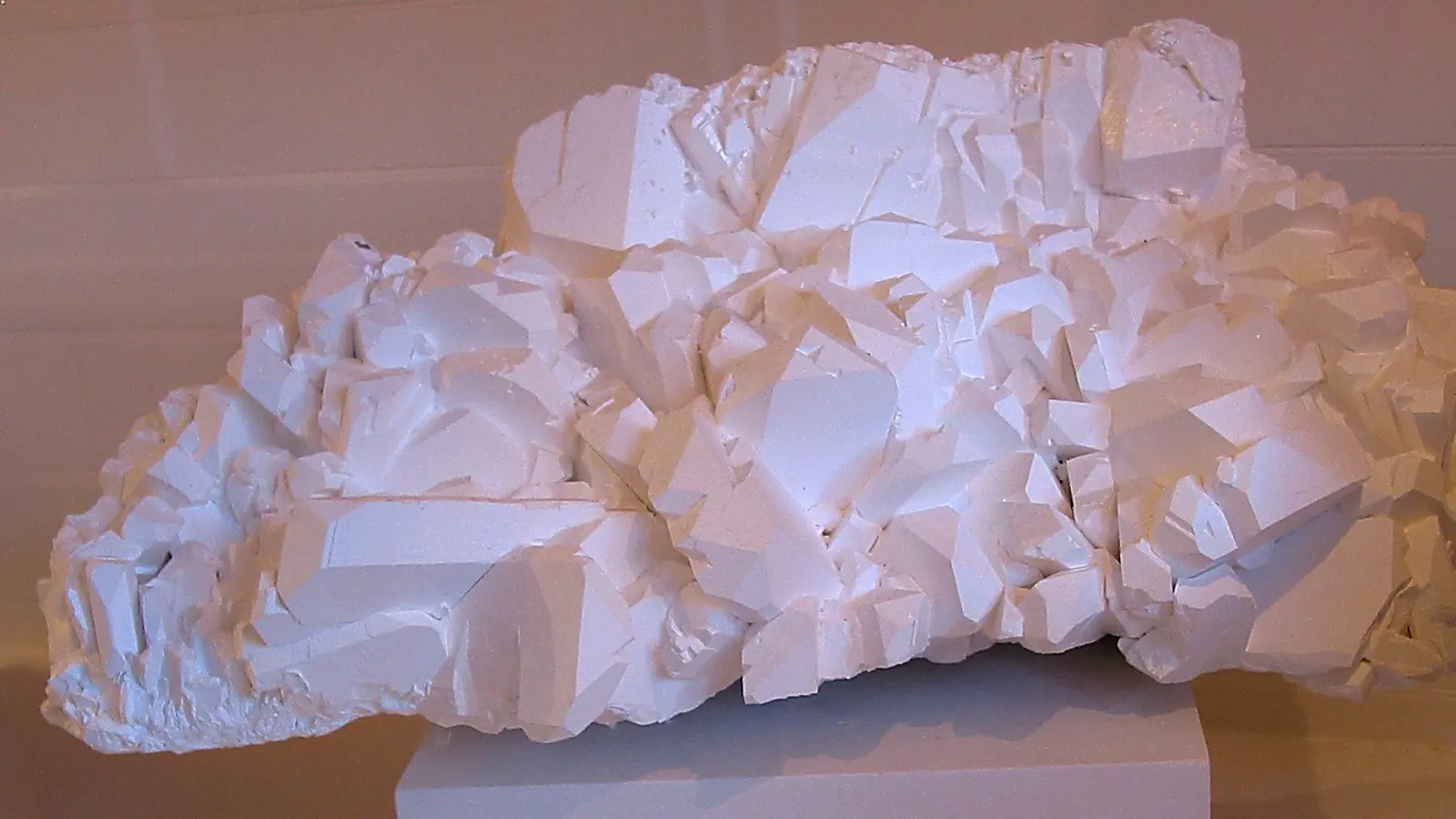

Washing soda vs borax: which one should you use? If you have sensitive skin, washing soda is the more predictable of the two, and you may not need either. Washing soda (sodium carbonate) is a strong alkali that helps detergent work in hard water, but it irritates eyes. Borax (sodium tetraborate) is less alkaline, but it can also irritate eyes and it carries a reproductive-toxicity hazard label. Baking soda is the gentlest of the three.
| Washing soda | Borax | Baking soda | |
|---|---|---|---|
| Chemical | Sodium carbonate | Sodium tetraborate | Sodium bicarbonate |
| pH in water | About 11.4 (1%) | About 9.3 (3%) | Mild |
| Main hazard label | Eye irritation | May damage fertility or an unborn child | Not classified by nearly all notifiers |
The data come from the PubChem records of the U.S. National Library of Medicine, which collect the hazard notifications companies file for each chemical.
Washing soda for laundry: what it does
Washing soda is used in detergents, cleansers and water treatment. In the wash, its high pH helps detergent lift grease and body soil, and it counteracts some of the effect of hard water. That matters for skin as well as for cleaning. In a study of 80 volunteers, Danby and colleagues found that washing with hard water left more surfactant on the skin, which raised irritation, especially in people with eczema; softened water reduced the effect.
The catch is that washing soda is a strong alkali. PubChem lists “causes serious eye irritation” as its hazard statement. Wear gloves when you handle it, dissolve it fully in the water before the clothes go in, and don’t use more than the box suggests.
Borax laundry booster: what it does
Borax is used in cleaning compounds and as an insecticide. It’s less alkaline than washing soda, though about half of PubChem’s hazard notifications still list it as an eye irritant. The bigger concern is different: PubChem’s record for sodium tetraborate shows that most hazard notifications classify it as “may damage fertility or the unborn child.”
Is borax toxic?
Borax isn’t harmless on skin either. A 2021 review by Hadrup and colleagues found that intact skin is a reasonably good barrier, while damaged skin lets more boron through, and that skin exposure to boric acid has been fatal in some historic cases. Reproductive toxicity is the main effect seen in animal studies. MedlinePlus lists blue-green vomit, diarrhea and a bright red rash as the main signs of boric acid poisoning.
That’s why we don’t suggest borax for homes with babies or toddlers, for anyone pregnant, or for people with broken eczema skin. If you do keep it, store it closed and out of children’s reach. If someone swallows borax or washing soda, call Poison Help at 1-800-222-1222.
Washing soda vs baking soda
Baking soda (sodium bicarbonate) and washing soda are chemical cousins, but they behave differently. Washing soda is strongly alkaline and works as a detergent booster. Baking soda is much milder: PubChem shows nearly all notifying companies report it as not meeting any hazard criteria. It isn’t the strong alkali that makes washing soda a detergent booster.
Baking soda for laundry: when it’s enough
For musty towels, gym clothes or a load that just needs freshening, a little baking soda with your usual fragrance-free detergent is a low-risk first step. It’s also the choice to make if anyone in the home has very reactive skin. If smells keep coming back, the cause is often the machine, not the clothes: see how to clean a washing machine.
Baking soda in washing machine
Adding baking soda to a wash or running it through an empty cycle is popular, but expect freshening, not disinfection. In a lab comparison by Rutala and colleagues, baking soda and vinegar were less effective against common bacteria than commercial household disinfectants. Baking soda is mild: PubChem notes that nearly all companies reporting on it say it doesn’t meet hazard criteria. For a smelly machine, a hot cycle and a cleaned door seal do more.
Homemade laundry soap: a word of caution
Popular homemade recipes mix grated bar soap with washing soda and borax. For sensitive skin, this stacks up the downsides: a strong alkali, a reproductive-toxicity hazard label and a soap-based mix with no rinse-out testing behind it. Hard water makes residue worse, as the Danby study showed on skin. Residue matters. In 148 people with eczema, Kiriyama and colleagues found dry skin improved in 76% of those affected after two weeks of switching to a milder, additive-reduced detergent.
A fragrance-free, dye-free hypoallergenic laundry detergent used at the right dose, with an extra rinse, is simpler and better studied. For whites, oxygen bleach is a gentler whitener than chlorine. And if residue has already built up in towels, our guide to laundry stripping explains a safer way to do it.
More in Laundry
Hypoallergenic Laundry Detergent: How to Choose One
Hypoallergenic laundry detergent claims aren't checked by anyone. What to look for instead: fragrance-free formulas, full ingredient lists, right dose.
Hypoallergenic Fabric Softener and Dryer Sheets Explained
Hypoallergenic fabric softener and dryer sheets still coat clothes. Why that matters for sensitive skin, and gentler ways to soften and stop static.

Should You Wash New Clothes Before Wearing? Yes, Here's Why
Should you wash new clothes before wearing them? Yes: finishes, dyes and residues from making and shipping can irritate skin. Which ones matter most.

Wool Dryer Balls: A Fragrance-Free Swap for Dryer Sheets
Wool dryer balls add no fragrance or softener residue to clothes. What dryer sheets release, whether wool causes allergy, and how to use the balls well.
Sources & further reading
- PubChem (U.S. National Library of Medicine) — Sodium carbonate: used in detergents, cleansers and water treatment; aqueous solutions are strongly alkaline (pH 11.37 at 1%); GHS hazard statement H319, causes serious eye irritation.
- PubChem (U.S. National Library of Medicine) — Sodium tetraborate (borax): used in cleaning compounds and as an insecticide; pH 9.3 in a 3% solution; GHS hazard statement H360, may damage fertility or the unborn child (in 88.5% of notifications).
- PubChem (U.S. National Library of Medicine) — Sodium bicarbonate (baking soda): used in cleaning preparations, soaps and detergents; reported as not meeting GHS hazard criteria by nearly all notifying companies.
- Regulatory Toxicology and Pharmacology — Hadrup and colleagues, 2021: review of boric acid and borax toxicity: intact skin is a better barrier than damaged skin; skin exposure to boric acid has been fatal in some cases; reproductive toxicity is a key effect in animals; not genotoxic. DOI: 10.1016/j.yrtph.2021.104873.
- MedlinePlus (U.S. National Library of Medicine) — Boric acid poisoning: main symptoms are blue-green vomit, diarrhea and a bright red skin rash; chronic poisoning was seen when boric acid was used repeatedly on wounds.
- Journal of Investigative Dermatology — Danby and colleagues, 2018: in 80 volunteers, washing with hard water left more surfactant (sodium lauryl sulfate) on the skin, raising water loss and irritation, especially in people with atopic dermatitis and FLG mutations; softened water reduced the effect. DOI: 10.1016/j.jid.2017.08.037.
- Journal of Dermatology — Kiriyama and colleagues, 2003: in 148 patients with atopic dermatitis who washed cotton underwear in cold tap water, switching to a nonionic, additive-reduced detergent for 2 weeks markedly or moderately improved dry skin in 76% of those affected. DOI: 10.1111/j.1346-8138.2003.tb00463.x.
- Infection Control & Hospital Epidemiology — Rutala and colleagues, 2000: suspension tests of natural products (vinegar, baking soda) and commercial disinfectants: the natural products were less effective than commercial household disinfectants, and only two commercial products were effective against poliovirus. DOI: 10.1086/501694.