PFAS: What Are Forever Chemicals and How to Avoid Them
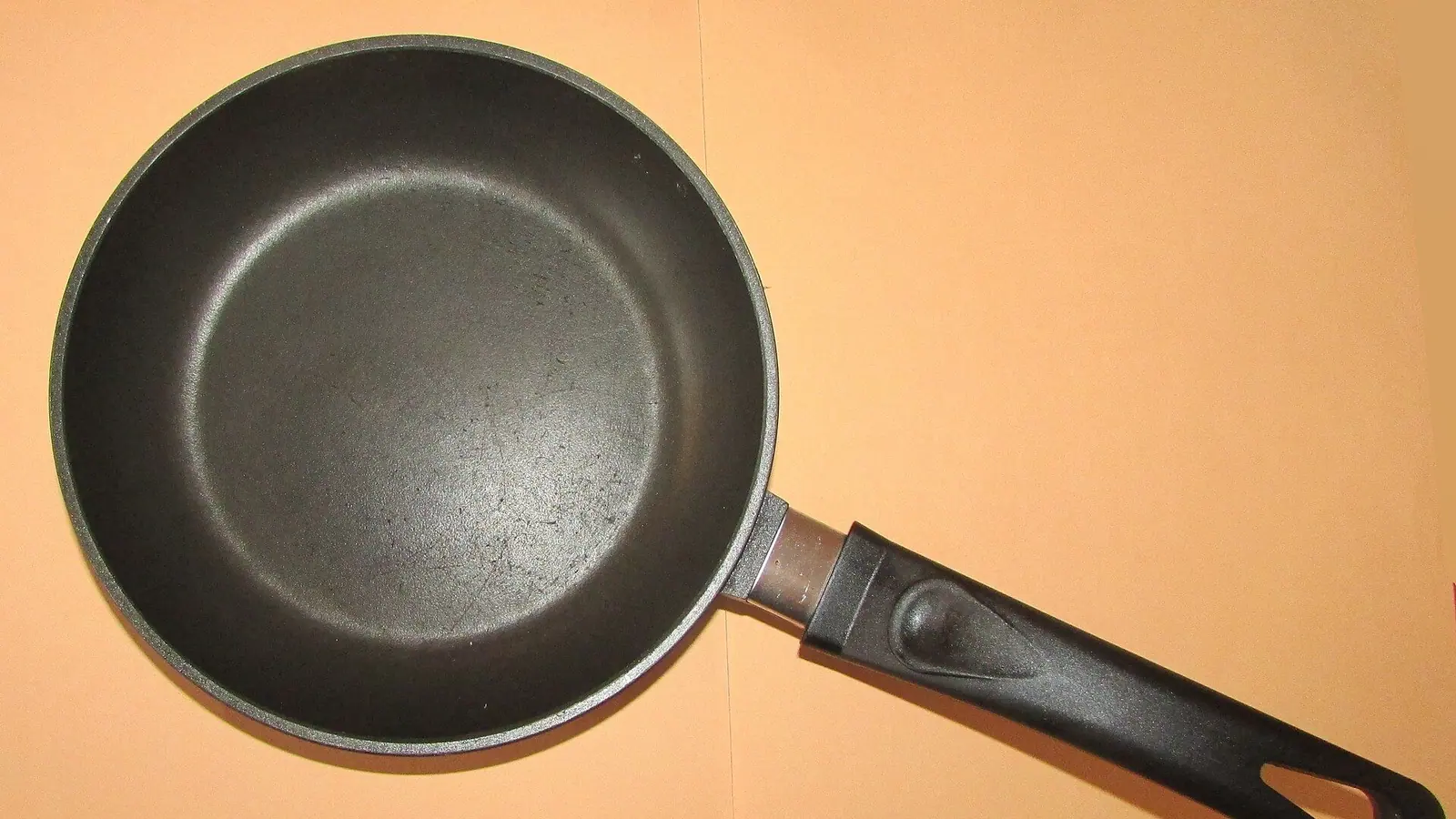

What are PFAS? PFAS (per- and polyfluoroalkyl substances) are a group of thousands of man-made chemicals that make products nonstick, stain resistant and waterproof. They’re in some nonstick pans, makeup, rain jackets and stain-resistant clothes, and they break down so slowly that they’re called forever chemicals. Some PFAS are linked to health problems, but for most people the main source is drinking water and food, not what touches the skin (Abraham).
What are PFAS?
PFAS have been used in consumer products since about the 1950s, to keep food from sticking to cookware and packaging, make clothes and carpets resist stains, and make firefighting foam work better (NIEHS). The family is huge: the EPA’s chemical database lists nearly 15,000 of them. PFOA and PFOS are the two best studied, and blood levels of both have dropped since they were removed from consumer products in the early 2000s, though new PFAS have been created since.
Forever chemicals
PFAS molecules are built on chains of carbon and fluorine, one of the strongest bonds in chemistry, so they barely break down in soil, water or the body. People take in more than they get rid of, and blood levels of some PFAS build up over time. Federal survey data found PFAS in the blood of 97% of Americans (NIEHS).
PFAS health effects
According to the EPA, peer-reviewed studies have linked exposure to certain PFAS at certain levels with:
- lower fertility and high blood pressure in pregnancy;
- low birth weight, early puberty and other developmental effects in children;
- a higher risk of kidney, prostate and testicular cancer;
- a weaker immune response, including to vaccines;
- interference with hormones, and higher cholesterol or risk of obesity.
The EPA also stresses what isn’t known yet: most studies cover a handful of PFAS out of thousands, and research on low exposure over many years is still under way. Children may be more sensitive, because they eat, drink and breathe more for their size and put things in their mouths (EPA). In a meta-analysis of 17 studies, PFAS exposure before birth or in childhood gave suggestive evidence of more childhood infections, but moderate to no evidence of lower vaccine antibody levels (Antoniou).
For people with sensitive skin, observational studies are reassuring so far. A review of 28 studies in children and teens found no link between PFAS and atopic dermatitis, and slightly lower odds of eczema (Hatem). If your skin reacts to a product, the usual suspects are still fragrance and preservatives.
To lower your exposure, start with water. Ask your water utility whether it tests for PFAS, test a private well through a state-certified lab, and if levels are a concern, use a home filter certified to lower PFAS. The EPA notes that only a small amount of PFAS gets through the skin, so showering and washing dishes in that water are unlikely to raise your risk much. The steps below for pans, makeup and clothes are smaller, optional cuts.
PFAS free cookware
Traditional nonstick coatings are made with PFAS (FDA). The best known is PTFE, sold under the Teflon name, and the FDA lists PTFE among PFAS ingredients (FDA). The FDA says this coating is bonded to the pan as a large polymer and contains a negligible amount of PFAS that can move into food. The food-contact use it did find worrying, PFAS grease-proofers in paper takeout packaging, is no longer sold in the U.S. (FDA). Nonstick coatings, gaskets and manufacturing aids weren’t expected to add dietary exposure of concern (FDA).
So swapping pans won’t change much of what’s in your food. People still choose PFAS free cookware because PFAS used in manufacturing can leak into soil, water and air over time (NIEHS).
Non stick pans without PFAS
Read the label closely. “PFOA free” only means the pan was made without PFOA, one PFAS removed from consumer products in the early 2000s; the coating can still be PTFE. Look for a claim that covers all PFAS, not only PFOA, or skip coatings altogether.
Teflon free pots and pans
The simplest pans without any PFAS coating are uncoated ones: stainless steel, cast iron, carbon steel and enameled cast iron. They need a bit more oil or seasoning to keep food from sticking.
PFAS in cosmetics
Some PFAS are added on purpose to lipsticks, eyeshadows, moisturizers, nail polish, blush and cleansers, to make skin and hair look smooth and shiny or to change texture (FDA). In a test of 231 cosmetics bought in the U.S. and Canada, foundations, mascaras and lip products most often had high fluorine levels, and most of their ingredient lists didn’t disclose any fluorinated compound (Whitehead).
Can PFAS in makeup get into the body? In one volunteer who applied a sunscreen spiked with PFOA, about 1.6% of the dose crossed the skin and reached the blood (Abraham). The FDA’s December 2025 report found big data gaps, including no data on toxicity through the skin, and the agency says it will keep monitoring.
PFAS free makeup
To avoid PFAS in cosmetics, read the ingredient list, which the FDA says is the way to do it. Ingredients the FDA names as common PFAS include PTFE (polytetrafluoroethylene), perfluorononyl dimethicone, methyl perfluorobutyl ether, methyl perfluoroisobutyl ether, perfluorohexylethyl triethoxysilane and trifluoroacetyl tripeptide-2 (FDA). As a rule of thumb, look for “perfluoro,” “polyfluoro” or “fluoro” in a name. Plain dimethicone is a silicone, not a PFAS, and titanium dioxide is a mineral pigment. Long-wear foundations are worth checking first; our hypoallergenic foundation guide covers the allergens to watch too.
PFAS free mascara
Mascara was one of the categories with the most high-fluorine products in the Whitehead test; the researchers note that PFAS are added to cosmetics to make them last longer and resist water (Whitehead). If you want to avoid them, check waterproof and long-wear mascaras for the ingredient names above. Our hypoallergenic mascara guide explains the ingredients that cause eyelid allergy, which is a separate problem from PFAS.
PFAS in clothing
Stain-resistant and water-repellent finishes are a common use of PFAS. In children’s textile products sold as stain resistant in the U.S. and Canada, every product the researchers analyzed for PFAS (57 of 72) contained them, and school uniforms had higher levels than bibs, hats or swimsuits, similar to outdoor wear. They estimated a median skin exposure from uniforms of about 1 ng per kg of body weight a day, and said too little is known about toxicity to judge the risk (Xia).
If you’d rather skip them, choose clothes, sheets and baby items that aren’t marketed as stain resistant or water repellent. Our guides to organic cotton baby clothes and washing new clothes before wearing cover the other finishes and dyes that matter more for sensitive skin.
Sources & further reading
- U.S. Environmental Protection Agency — Our current understanding of the human health and environmental risks of PFAS: exposure through drinking water, food, dust, air and products; certain PFAS linked to reproductive and developmental effects, some cancers, reduced immune and vaccine response, hormone interference and higher cholesterol; thousands of PFAS, most studies cover a few; children may be more sensitive.
- U.S. Environmental Protection Agency — Meaningful and achievable steps you can take to reduce your risk: ask your water utility about PFAS, test private wells with a state-certified lab, consider certified home water filters; only a small amount of PFAS gets through the skin, so showering and washing dishes are unlikely to raise risk much.
- National Institute of Environmental Health Sciences (NIH) — PFAS: used since the 1950s to keep food from sticking to cookware and packaging and make clothes and carpets stain resistant; the carbon-fluorine bond makes them hard to break down; CDC NHANES data found PFAS in the blood of 97% of Americans; nearly 15,000 PFAS in EPA's CompTox database.
- U.S. Food and Drug Administration — Questions and answers on PFAS in food: most foods not grown in areas with known PFAS contamination have no detectable PFAS; nonstick cookware coatings are polymerized and contain a negligible amount of PFAS that can migrate to food; PFAS grease-proofers for paper food packaging are no longer sold in the U.S. (February 2024).
- U.S. Food and Drug Administration — Authorized uses of PFAS in food contact applications: nonstick coatings, gaskets, manufacturing aids and grease-proofing agents for paper; only the paper and paperboard uses could lead to dietary exposure of potential concern; 35 notifications for those uses declared no longer effective in January 2025.
- U.S. Food and Drug Administration — PFAS in cosmetics: intentionally added to some lipsticks, eyeshadows, moisturizers, nail polish, blushers and cleansers to smooth skin and hair and change texture; common PFAS ingredients include PTFE, perfluorononyl dimethicone and methyl perfluorobutyl ether; FDA's December 2025 report under MoCRA found significant data gaps, including no dermal toxicity data.
- Environmental Science & Technology Letters — Whitehead and colleagues, 2021: 231 cosmetics bought in the U.S. and Canada screened for total fluorine: foundations, mascaras and lip products had the highest share of high-fluorine products; targeted analysis found PFAS from 22 to 10,500 ng/g; most ingredient lists didn't disclose fluorinated compounds. DOI: 10.1021/acs.estlett.1c00240.
- Environment International — Abraham and Monien, 2022: one male volunteer applied a sunscreen spiked with labeled PFOA to his whole body: blood levels rose for 22 days, an estimated 1.6% of the dose was absorbed, showing that PFOA in a cosmetic can cross human skin. DOI: 10.1016/j.envint.2022.107549.
- Environmental Science & Technology — Xia and colleagues, 2022: 72 stain-resistant children's textile products from U.S. and Canadian stores: PFAS found in all 57 products analyzed; school uniforms had higher levels than bibs, hats, stroller covers and swimsuits, comparable to outdoor wear; estimated median skin exposure from uniforms 1.03 ng/kg body weight per day. DOI: 10.1021/acs.est.2c02111.
- Systematic Reviews — Antoniou and Dekant, 2024: meta-analysis of 17 studies of prenatal or childhood PFAS exposure: suggestive evidence of more childhood infections, particularly with PFOS, PFOA, PFHxS and PFNA, but moderate to no evidence of lower vaccine antibody levels. DOI: 10.1186/s13643-024-02596-z.
- Journal of Hazardous Materials — Hatem and colleagues, 2025: systematic review and meta-analysis of 28 studies in children and adolescents: PFAS exposure was not linked to asthma onset overall or to atopic dermatitis (OR 1.04), and was linked to 8% lower odds of eczema. DOI: 10.1016/j.jhazmat.2025.137978.
More in Ingredients & materials
Nickel Allergy: Causes, Sources, Rules and Testing
Nickel allergy: why nickel causes allergic contact dermatitis, where it's found, how US and EU rules differ, and how spot tests and patch tests work.

Fragrance Allergy: What 'Fragrance' and 'Parfum' Can Hide
Fragrance allergy: why one word on a label can stand for dozens of chemicals, which allergens dermatologists test for, and US vs EU label rules.

Methylisothiazolinone (MI): A Preservative Allergy Explained
Methylisothiazolinone (MI) and MCI/MI: where they're used, why allergy to them surged, how the EU restricted them, and how to spot them on labels.
Formaldehyde Allergy and Formaldehyde Releasers on Labels
Formaldehyde allergy: which preservatives release formaldehyde, the label names to look for, where else it turns up, and what US and EU rules say.
PPD Allergy: Hair Dye's Main Allergen Explained
PPD allergy: what para-phenylenediamine is, where it's found (hair dye, black henna), the chemicals that cross-react, and how US law handles it.
What Am I Allergic To? A Product Trigger Finder
What am I allergic to? Answer two questions to see the product triggers worth checking, then learn which allergy tests confirm it: patch, prick or blood.