Organic Cotton Baby Clothes: What Matters for Sensitive Skin
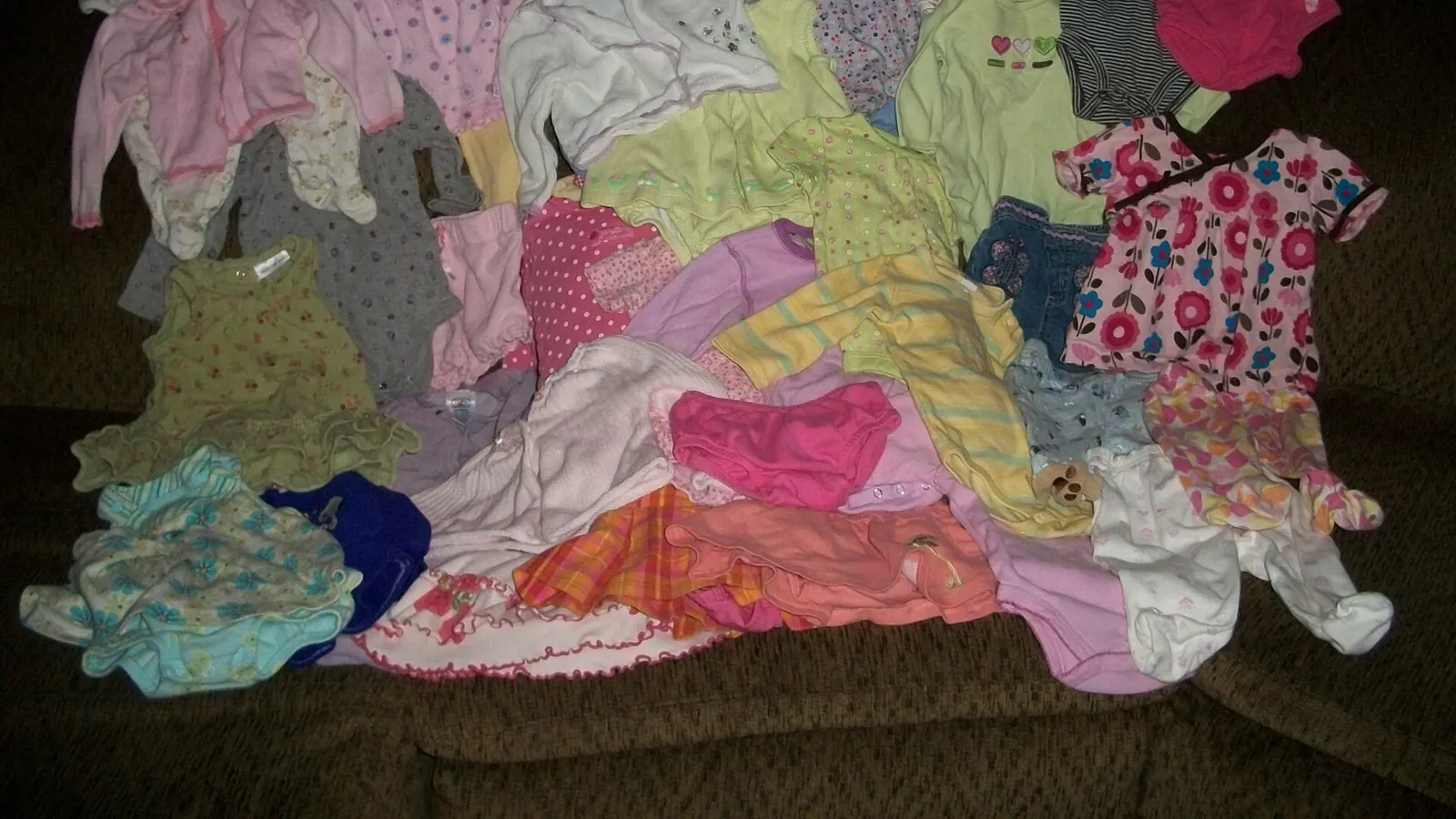

Are organic cotton baby clothes better for sensitive skin? Organic cotton baby clothes are made from cotton grown under organic farming rules, and in the U.S. they can only be sold as organic if they’re certified. No study has shown that the organic fiber itself is gentler on babies’ skin. What research does link to clothing rashes is what’s added to the fabric: dyes, wrinkle-resistant finishes and leftover detergent. What organic certification does guarantee is how the fiber was grown and that the label claim is checked.
Are organic baby clothes better for sensitive skin?
Not because of the cotton alone. We found no study comparing organic and conventional cotton on babies’ skin. The clothing problems that dermatologists do see come from three things added to fabric:
- Dyes. Among 277 people with clothing dermatitis, Lisi and colleagues found disperse dyes caused 79.8% of the allergic cases.
- Wrinkle-resistant resins. Fowler and colleagues described 17 patients allergic to the formaldehyde resins used on permanent press fabrics, with rashes worst where clothing fit tightly.
- Detergent residue, covered in the washing section below.
The NHS lists washing detergent and some fabrics among the things that can make eczema worse, so babies with eczema are the ones most likely to notice.
Cotton onesie or another fabric for eczema?
Cotton is a sensible default, but it isn’t automatically best. In a crossover trial of 39 children aged 4 weeks to 3 years with mild to moderate eczema, Su and colleagues found superfine merino wool outfits lowered eczema scores by 7.6 points more than the parents’ usual cotton clothes over 6 weeks. In a much larger trial of 300 children, Thomas and colleagues found special silk garments made no meaningful difference. If your baby has eczema, see baby eczema cream for skin care alongside clothing choices.
What makes organic cotton newborn clothes “organic”?
According to the USDA:
- A finished textile can carry the USDA organic seal only if it’s certified to the USDA organic regulations.
- Textiles that meet the Global Organic Textile Standard (GOTS) may be sold as organic in the U.S.
- If only some fibers are certified organic, the label can name those fibers and their percentage, such as “made with 70% organic cotton”, but can’t suggest the whole garment is organic.
So “organic” on a label is checkable, while words like “natural”, “pure” or “eco” are not certifications.
100% cotton newborn clothes: dyes and finishes matter more
A label reading 100% cotton tells you the fiber, not what was used to color or finish it. Research points to what to watch for:
- Disperse dyes. In 1,098 Italian children patch tested with seven disperse dyes, Giusti and colleagues found 4.6% were sensitized, and 59% of them had current or past eczema. A review of 54 studies by Malinauskiene and colleagues found Disperse Blue 106, Disperse Blue 124 and Disperse Orange 3 among the dyes most often positive.
- Where rashes show up. In children without eczema, Giusti found dye reactions on the feet, armpits and groin; in Swedish patch-test patients, Ryberg and colleagues saw them on the arms, face, neck and armpit folds.
- Metals in dark fabrics. A small 2025 study by Xiong and colleagues found 80% of 33 textile samples exceeded the OEKO-TEX baby-class limits for arsenic, cadmium or chromium, with dark synthetic fabrics carrying the most. The samples weren’t specifically baby clothes, so treat this as a reason to prefer lighter colors rather than a measured risk.
- Stain-resistant finishes. Xia and colleagues found PFAS in every stain-resistant children’s textile product they analyzed (57 of 72, from U.S. and Canadian stores). How much that exposure matters isn’t known yet, but skipping “stain resistant” labels is an easy way to avoid them; see our PFAS guide.
Organic cotton onesies and pajamas: where fit matters
Onesies and sleepwear sit against a baby’s skin for hours, often snugly at the neck, armpits and diaper area, which are the places dye and resin rashes tend to appear. For organic cotton onesies and organic baby pajamas, light or undyed fabric and no “wrinkle-free” or “easy care” finish remove the two clothing additives most often linked to allergy.
How to wash organic newborn clothes before the first wear
Washing every new item before the first wear, organic or not, is a simple precaution that goes a step beyond the official advice, which covers permanent press clothing:
- The Agency for Toxic Substances and Disease Registry lists permanent press fabrics as a source of formaldehyde at home and advises washing new permanent press clothing before wearing it.
- The detergent matters too. In 148 Japanese patients with eczema who washed cotton underwear in cold tap water, 115 had dry skin on the trunk; after two weeks of switching to a nonionic, additive-reduced detergent, 76% of them improved markedly or moderately (Kiriyama and colleagues).
Our baby laundry detergent guide covers fragrance-free options and washing routines, and should you wash new clothes before wearing covers the question for the whole family.
Best organic newborn clothes: a checklist
There’s no single best brand, but this list covers what the evidence supports:
- Certified organic: the USDA organic seal or GOTS, not just “natural” wording.
- Light or undyed colors, especially for pieces worn next to the skin.
- No wrinkle-free, permanent press or easy-care finish.
- Washed before the first wear, with an additive-reduced detergent.
- Watch the skin where clothing fits snugly, and stop using an item that seems linked to a rash.
Related guides
For your baby’s bed, see the hypoallergenic crib mattress guide; for adults, read about organic cotton sheets.
Sources & further reading
- U.S. Department of Agriculture, Agricultural Marketing Service — 2026: a textile can carry the USDA organic seal only if certified to USDA organic rules; textiles meeting GOTS may be sold as organic, and partly organic products may name only the certified fibers.
- Pediatric Dermatology — Giusti and colleagues, 2003: of 1,098 Italian children patch tested with seven disperse textile dyes, 4.6% were sensitized, and 59% of them had current or past atopic dermatitis. DOI: 10.1046/j.1525-1470.2003.20504.x.
- Contact Dermatitis — Lisi and colleagues, 2014: among 277 patients with textile dermatitis, allergic reactions were more common than irritant ones and more frequent with atopic dermatitis; disperse dyes caused 79.8% of allergic cases. DOI: 10.1111/cod.12179.
- Contact Dermatitis — Malinauskiene and colleagues, 2013: review of 54 studies: average positive patch test rates above 1% for Disperse Blue 106, Disperse Blue 124 and Disperse Orange 3. DOI: 10.1111/cod.12001.
- Contact Dermatitis — Ryberg and colleagues, 2006: 1.5% of 3,325 patch-tested patients reacted to a textile dye mix; dye-allergic patients more often had rashes on the arms, face, neck and armpit folds. DOI: 10.1111/j.0105-1873.2006.00733.x.
- Journal of the American Academy of Dermatology — Fowler and colleagues, 1992: 17 patients were allergic to the formaldehyde resins used on wrinkle-resistant (permanent press) fabrics; the rash was worse where clothing fit tightly. DOI: 10.1016/0190-9622(92)70295-q.
- Agency for Toxic Substances and Disease Registry — 2015: permanent press fabrics are an indoor source of formaldehyde; ATSDR advises washing new permanent press clothing before wearing it.
- The Journal of Dermatology — Kiriyama and colleagues, 2003: of 115 patients with atopic dermatitis and dry skin on the trunk, 76% improved markedly or moderately within two weeks of switching to an additive-reduced detergent for their cotton underwear. DOI: 10.1111/j.1346-8138.2003.tb00463.x.
- British Journal of Dermatology — Su and colleagues, 2017: in 39 children aged 4 weeks to 3 years with mild to moderate eczema, superfine merino wool outfits lowered eczema scores more than the parents' usual cotton clothing after 6 weeks. DOI: 10.1111/bjd.15376.
- PLOS Medicine — Thomas and colleagues, 2017: in 300 children with moderate to severe eczema, adding special silk garments for 6 months made no clinically meaningful difference. DOI: 10.1371/journal.pmed.1002280.
- Toxics — Xiong and colleagues, 2025: in 33 textile samples, 80% exceeded OEKO-TEX baby-class limits for arsenic, cadmium or chromium, with dark synthetic fabrics carrying the most metal. DOI: 10.3390/toxics13080622.
- Environmental Science & Technology — Xia and colleagues, 2022: PFAS found in all 57 of 72 stain-resistant children's textile products that got targeted analysis (U.S. and Canada); school uniforms had the highest levels; estimated median skin exposure from uniforms 1.03 ng/kg body weight per day. DOI: 10.1021/acs.est.2c02111.
- NHS (National Health Service, England) — 2024: soap, washing detergent and some fabrics are among the things that can make atopic eczema worse.
More in Baby

Nipple Cream: Does It Help, and Which Kind Is Safest?
Nipple cream for breastfeeding: what trials found for lanolin, APNO and breast milk, lanolin allergy and lanolin-free options, and when sore nipples need help.
Silicone Teether: What's Safe, What to Skip and Why
Silicone teether safety: why solid beats liquid-filled, why not to freeze it, what's known about silicone and plastic chemicals, and teething gels to avoid.

Introducing Allergens to Baby: When, Which Foods and How
Introducing allergens to baby: what the LEAP, EAT and other trials show, when to start, which foods to offer one at a time, and when to talk to a doctor first.
Hypoallergenic Stuffed Animals: Keeping Plush Toys Mite-Free
Hypoallergenic stuffed animals: why plush toys collect dust mites, how to wash, freeze or dry them to kill mites and remove allergen, and what to look for.
Baby Laundry Detergent: Do You Need a Special One?
Do you need a baby laundry detergent? Babies don't need a special brand, but fragrance-free, dye-free washing helps their skin. Plus pod safety.
Baby Wipes and Skincare for Sensitive Skin: What to Use
Baby wipes, bath cleansers, moisturizers and diaper creams for dry or eczema-prone baby skin: what research says and which ingredients to avoid.